


WHY CRAFTING MYTHS PERSIST
Crafting myths tend to stick around for a couple of reasons. First, the internet is full of highly curated content—Instagram and Pinterest are amazing for inspiration but also guilty of showcasing only the highlight reels.
Second, there's this idea that crafting is either “you have it or you don’t.” That creates unnecessary pressure and unrealistic expectations. Add to that some misinformation from social circles or even outdated advice from books and blogs, and it’s easy to understand how crafting myths grow legs.
THE IMPORTANCE OF BUSTING CRAFTING MISCONCEPTIONS
Let’s be real—crafting should be fun, not stressful. Busting these myths is essential for keeping the joy alive. When we break down the false ideas, we make room for authenticity, experimentation, and inclusivity.
Whether you're a complete newbie or someone who’s been gluing, stitching, or carving for years, understanding what really works and what doesn’t helps you grow. And hey, sometimes knowing the rules means learning how to break them—artistically, of course.
MYTH #1: YOU NEED TO BE “NATURALLY CREATIVE” TO BE GOOD AT CRAFTING
One of the most persistent myths in the crafting world is that you have to be born with some sort of magical, artistic gene to be good at it.
People often say things like, “Oh, I’m not creative,” or “I could never do that,” just because they don’t think they fit into the mold of a traditional artist. But let’s break this down, because it’s one of the biggest lies in the creative space.
Skill vs. Talent in Crafting. Sure, some people might pick things up quicker or have an eye for color and design right off the bat—but crafting is a skill. Like cooking, driving, or even learning to ride a bike, it’s something you improve over time with practice.
Crafting involves techniques, tools, and strategies that anyone can learn. The more you do it, the better you get. No one is born knowing how to sew a quilt or carve wood with precision—it’s all about dedication and curiosity.
The Role of Practice and Experimentation. Here’s the secret sauce: practice and play. The best crafters aren’t necessarily the most “naturally” creative people—they’re the ones who kept going, even when their first projects were crooked, gluey, or lopsided.
They experimented, messed up, and tried again. Over time, that experimentation leads to style, skill, and confidence.
Want to feel more creative? Start crafting. That’s it. You don’t wait to feel creative before you create. The more you engage with different materials, try new techniques, and just let yourself make things without pressure, the more your creativity flows naturally. It’s not about being born an artist—it’s about letting yourself explore like one.
MYTH #2: EXPENSIVE SUPPLIES MAKE BETTER CRAFTS
This one trips up a lot of people, especially beginners. You walk into a craft store, and it’s like a candy land of shiny, colorful, high-priced items.
It’s easy to believe that if you spend more, you’ll make better things. But just like in cooking, having fancy tools doesn’t automatically make you a Michelin-star chef.
Quality vs. Price in Crafting Materials. Let’s get one thing straight—price doesn’t always equal quality. Some of the best crafters out there swear by budget-friendly tools that have stood the test of time.
There are amazing markers, glues, yarns, and brushes that work just as well as the high-end brands, if not better. The key is learning what actually performs well, not just what has fancy packaging.
Sometimes, yes, it’s worth investing in something higher quality—like a durable pair of fabric scissors or a good cutting mat—but you absolutely do not need a high-end haul to create something beautiful.
Especially when you’re just getting started, it’s smarter to start small, test things out, and then upgrade as needed.
Affordable Crafting Solutions That Work Wonders. You’d be shocked at how many creative hacks crafters use daily. Repurposed materials, thrifted fabrics, and dollar-store items often become the backbone of stunning projects.
Pinterest and YouTube are full of ideas where people use recyclables and inexpensive supplies to make décor, gifts, or accessories that look boutique-quality.
Instead of loading up on the fanciest tools right away, build your crafting toolkit over time. Start with the basics, learn what you love, and only invest more when it’s going to genuinely help your process—not just impress your social feed.
MYTH #3: DIY PROJECTS ALWAYS SAVE YOU MONEY
Here’s one that even experienced crafters sometimes fall for. The idea that DIY is always the budget-friendly route sounds great—but it’s not always true. The reality? Crafting can get pricey if you're not careful, and not every project is worth the effort when you factor in time and cost.
Hidden Costs of Crafting. It starts innocently enough—you want to make a cute handmade wreath. But then you need the base, florals, glue gun, extra glue sticks, ribbon, wire, and before you know it, you’ve spent double what you would have paid buying one premade.
And that doesn’t include the time investment, which, while fun, still counts as a cost if you're juggling a busy life.
There’s also the learning curve. You might mess up once or twice (or five times), which means wasted materials or having to start over. It’s all part of the process, but it definitely chips away at the “cheap” label.
When DIY Is Worth It — and When It’s Not. That said, there are plenty of situations where DIY truly saves money. Home décor, gifts, clothing hacks, and upcycling are all areas where crafting can shine financially. The trick is knowing when the effort, cost, and potential hiccups are worth the trade-off.
Here’s a good rule of thumb: if it’s something personal, customizable, or hard to find exactly how you want it—DIY away. If it’s something mass-produced and easily available for cheap, you might be better off buying and saving your energy for a project that sparks more joy.
MYTH #4: YOU HAVE TO FOLLOW INSTRUCTIONS EXACTLY
This myth is sneaky because it starts off sounding harmless. After all, following instructions is how you learn, right? But the belief that you must stick to every detail of a tutorial or pattern can seriously kill your creative vibe. Crafting isn't baking—you won’t blow up your project if you switch things up!
Embracing Imperfection and Creative Freedom. One of the best parts about crafting is that it gives you the freedom to be totally, unapologetically you.
Maybe you don’t like the color palette used in a tutorial—change it. Maybe the pattern calls for fabric you don’t have—improvise. The point is: instructions are guides, not gospel.
In fact, some of the most beautiful crafts are born from “mistakes” or tweaks made on the fly. Maybe your stitching goes crooked, or your paintbrush slips. Instead of seeing that as failure, think of it as the beginning of a custom spin. That’s how creativity works—it thrives on the unexpected.
Happy Mistakes and Unique Designs. Ever heard of “happy accidents”? Bob Ross made the term famous for a reason.
Sometimes, what you think is a mess-up ends up being a cool texture, a unique style element, or even the centerpiece of your entire design. If you’re always focused on perfection and exact replication, you miss the magic that happens when you just let go and create.
So next time you feel like your project is “off,” step back and ask yourself: is it really wrong, or is it just different? You might find that your version, with all its quirks, is even better than the original.
MYTH #5: CRAFTING IS ONLY FOR WOMEN OR KIDS
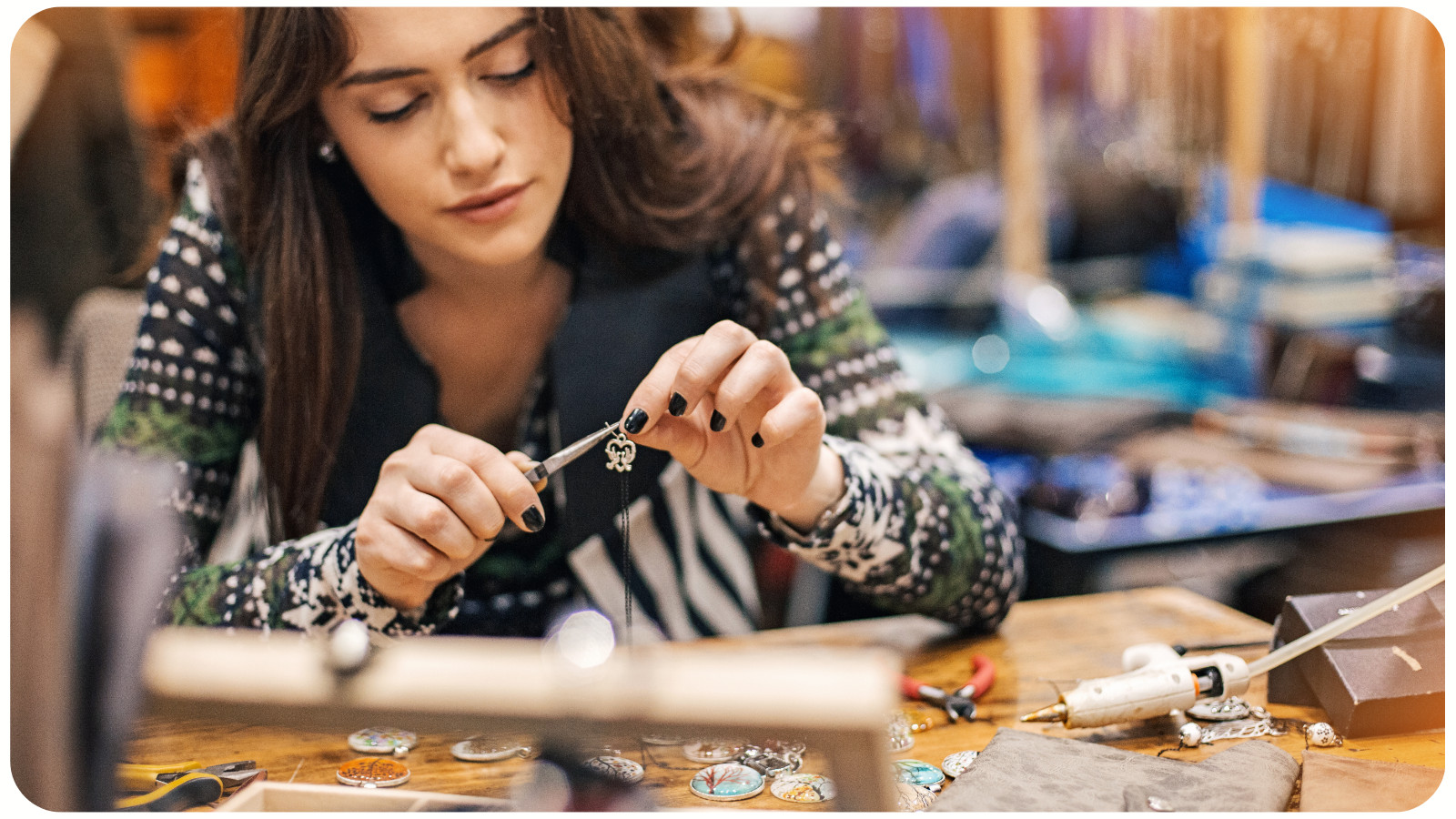
This one really needs to die already. While it’s true that women and children often dominate the crafting space, crafting is not—and never has been—exclusive to any gender or age. In fact, throughout history, crafting was a vital part of survival, done by everyone. Today, it’s a universal hobby that welcomes all skill levels and backgrounds.
Breaking Gender Stereotypes in the Crafting World. The belief that crafting is “feminine” or “childish” is rooted in outdated stereotypes. Men knit. Men sew. Men build, whittle, paint, and crochet. And they’re good at it.
From traditional woodworking and leather crafting to embroidery and jewelry-making, men are reclaiming space in the creative world and showing that crafting has no gender.
Some of the top creators on platforms like YouTube, TikTok, and Etsy are male crafters breaking the mold and redefining what creative expression looks like. It’s powerful, it’s inspiring, and it proves that creativity isn’t confined by gender roles.
Crafting Communities That Welcome Everyone. One of the best things about the modern crafting scene is how inclusive it’s becoming.
Online crafting forums, Facebook groups, local classes, and makerspaces are popping up with the explicit goal of being gender-neutral, inclusive, and welcoming to everyone.
And let’s not forget older adults. Crafting is often marketed toward younger people, but it’s one of the most therapeutic and joyful hobbies for seniors.
Whether it’s cross-stitch, ceramics, or scrapbooking, crafting spans generations and identities. If you’ve got two hands and an open mind, you’ve got everything you need to be part of the crafting world.
THE TRUTH ABOUT CRAFTING SUCCESS
So, what’s the secret behind those jaw-dropping crafts you see on social media or in stores? Spoiler: it’s not magic. It’s not even raw talent. It’s consistency, patience, and a willingness to mess up a bunch of times before getting it right. That’s the real recipe behind crafting success.
Consistency Over Perfection. You can have all the expensive tools, all the Pinterest boards, and all the natural “creativity” in the world—but if you don’t practice consistently, you won’t improve. On the flip side, even if you start from scratch with basic supplies and zero experience, regular crafting sessions will transform your skills.
And guess what? Perfection isn’t the goal. Consistency is. Every time you create, you’re learning, building muscle memory, and developing your own artistic voice. The more you craft, the easier it gets to trust your instincts and create confidently.
The Joy of the Process vs. the End Result. It’s easy to get caught up in the final product—especially when you’re scrolling through perfectly posed Instagram photos. But the real magic of crafting lies in the doing, not just the finishing.
That peaceful state you fall into when your hands are busy, your mind is calm, and time seems to melt away? That’s the good stuff.
When you let go of outcome-based thinking and focus on the process, you’ll find more joy, less frustration, and way more inspiration to keep going. Crafting is a journey, not a destination—and every step you take is a brushstroke on your creative story.
HOW SOCIAL MEDIA SKEWS CRAFTING EXPECTATIONS
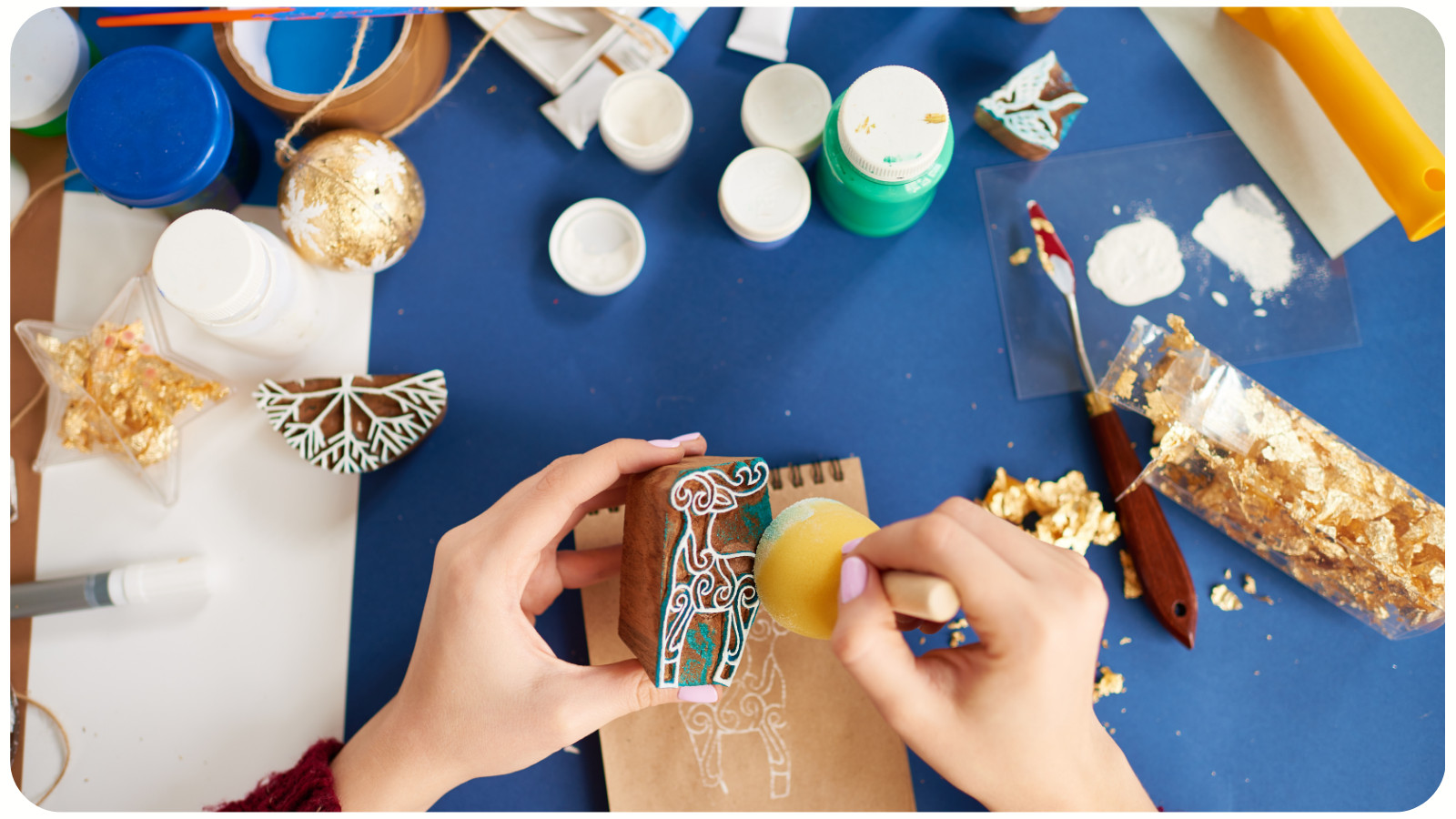
If you’ve ever felt discouraged after comparing your homemade project to a perfect Pinterest image, you’re not alone. Social media is full of stunning, curated content that can make crafting look effortless—but that’s only half the story.
The Pinterest vs. Reality Phenomenon. We’ve all seen the memes: a gorgeous cake or DIY centerpiece labeled “Expectation” followed by a hilariously lopsided version labeled “Reality.” It’s funny because it’s true. What social media doesn’t show you is the 15 failed attempts, the mess on the floor, or the hours spent getting it just right.
Crafting influencers and creators often work in well-lit studios with access to high-end supplies, editing tools, and years of experience. That doesn’t make their work less impressive—it just means you shouldn’t hold your beginner-level project to a professional standard. And that’s okay.
Real-Life Crafting Wins (and Fails). Let’s normalize the real side of crafting. Projects that fall apart, paint that drips, glue that won’t hold, and fabric that puckers. It happens to everyone—even the pros. What matters is that you’re showing up, trying something new, and letting yourself enjoy the creative ride.
Social media should be inspiration, not intimidation. Follow accounts that show the behind-the-scenes, the fails, the laughs, and the learning. That’s where the true beauty of crafting lives.
TIME MANAGEMENT FOR CRAFTERS
Time—there never seems to be enough of it, especially when life gets busy with work, family, and responsibilities. Many would-be crafters feel like they want to create but just can’t find the time. Here’s the truth: it’s not about having time; it’s about making time.
Making Time for a Creative Hobby. Crafting doesn’t have to take hours. Even carving out 15-30 minutes a day can keep your creativity flowing and your skills growing. Think of it like brushing your teeth—you wouldn’t skip that, right? Treating your creative time as sacred, even in small chunks, makes a huge difference.
Want to find more time for crafting? Try these tips:
- Schedule it like an appointment. Literally block it out on your calendar.
- Combine it with other downtime. Craft while watching TV, listening to podcasts, or during your child’s nap.
- Prep ahead. Have your materials ready to go so you can dive in when inspiration strikes.
- Set goals. Having a mini goal (like finishing one project a week or learning a new stitch) helps keep you motivated.
Avoiding Burnout While Staying Inspired. On the flip side, it’s easy to get obsessed with projects and end up feeling overwhelmed. Crafting should never feel like a chore. Burnout happens when you’re crafting out of obligation instead of joy—especially if you’re creating to sell or post online.
To avoid burnout:
- Rotate your projects so you don’t get bored.
- Give yourself breaks when needed—don’t feel guilty about pausing a project.
- Stay inspired by exploring new styles, materials, or creators. Attend workshops, scroll through YouTube tutorials, or visit craft fairs for fresh ideas.
The goal isn’t to churn out products—it’s to nourish your soul. Let crafting be your retreat, not your stressor.
TIPS TO IMPROVE YOUR CRAFTING SKILLS
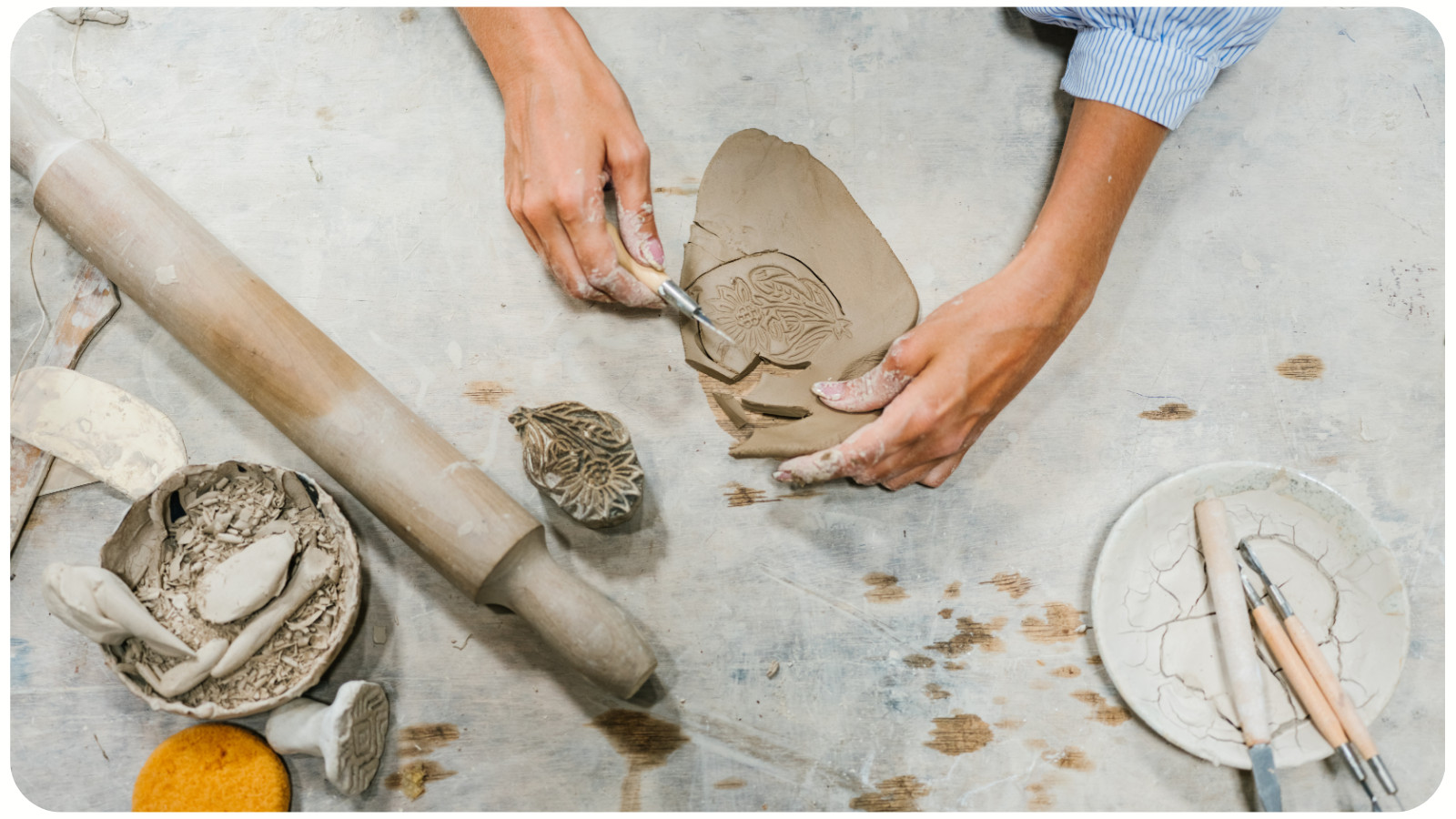
We all start somewhere. Whether you’re brand new or feel stuck in a creative rut, there are so many ways to level up your crafting game. You don’t need to enroll in an expensive class to get better—you just need the right mindset and a few solid resources.
Leveraging Online Tutorials and Courses. The internet is a treasure trove of crafting wisdom. From YouTube to Skillshare to free blog tutorials, you can learn practically any skill with a few clicks. Want to learn how to make polymer clay earrings? There’s a tutorial. Curious about resin art or macramé? There’s a course for that.
Start with:
- YouTube Channels – Free and full of step-by-step visuals.
- Online Learning Platforms – Sites like Udemy, Domestika, or CreativeLive offer full courses on specific crafts.
- Pinterest and Craft Blogs – Great for idea-hunting and getting written patterns or instructions.
Make it a habit to learn one new skill per month. Keep a journal of what you’re working on, what you’ve learned, and what you want to try next. Over time, you’ll be amazed at your growth.
Joining Crafting Communities for Support. Crafting doesn’t have to be a solo sport. In fact, it’s way more fun when shared. Joining a crafting group—online or in-person—can keep you motivated and inspired. Plus, you’ll get feedback, encouragement, and access to tricks of the trade.
Consider:
- Facebook Groups for your specific craft (e.g., Cricut, knitting, scrapbooking)
- Reddit communities like r/crafts or r/sewing
- Local meetups, craft clubs, or library-based crafting nights
When you surround yourself with fellow makers, you stay accountable, excited, and connected to a wider creative world.
CRAFTING AS A THERAPEUTIC PRACTICE
Crafting isn’t just about making pretty things—it can also be an incredible tool for mental and emotional well-being. If you’ve ever felt calmer after a painting session or more relaxed while crocheting, you’ve already tapped into the therapeutic power of crafting.
Mental Health Benefits of Crafting. Studies have shown that crafting can reduce stress, ease symptoms of anxiety and depression, and even improve cognitive function. Why? Because crafting engages both your hands and your mind in a focused, intentional way. It’s similar to meditation—you enter a flow state where your brain can rest from the usual noise.
Benefits include:
- Lowered cortisol levels (aka, the stress hormone)
- Improved mood and emotional regulation
- Better focus and mental clarity
- A sense of accomplishment, which boosts confidence
For people dealing with trauma, grief, or chronic stress, crafting can become a safe, healing outlet.
Using Crafting as a Mindfulness Tool. Want to be more mindful but can’t sit still for meditation? Try crafting. The repetitive motion of knitting, the detail work of embroidery, or even coloring can all bring you into the present moment.
To craft mindfully:
- Focus on the texture of the materials
- Take slow, deep breaths as you create
- Let go of the result and enjoy the process
- Use it as “you time” with no distractions
Treat crafting like a wellness practice, and you’ll find peace in every project.
MAKING CRAFTING MORE ACCESSIBLE
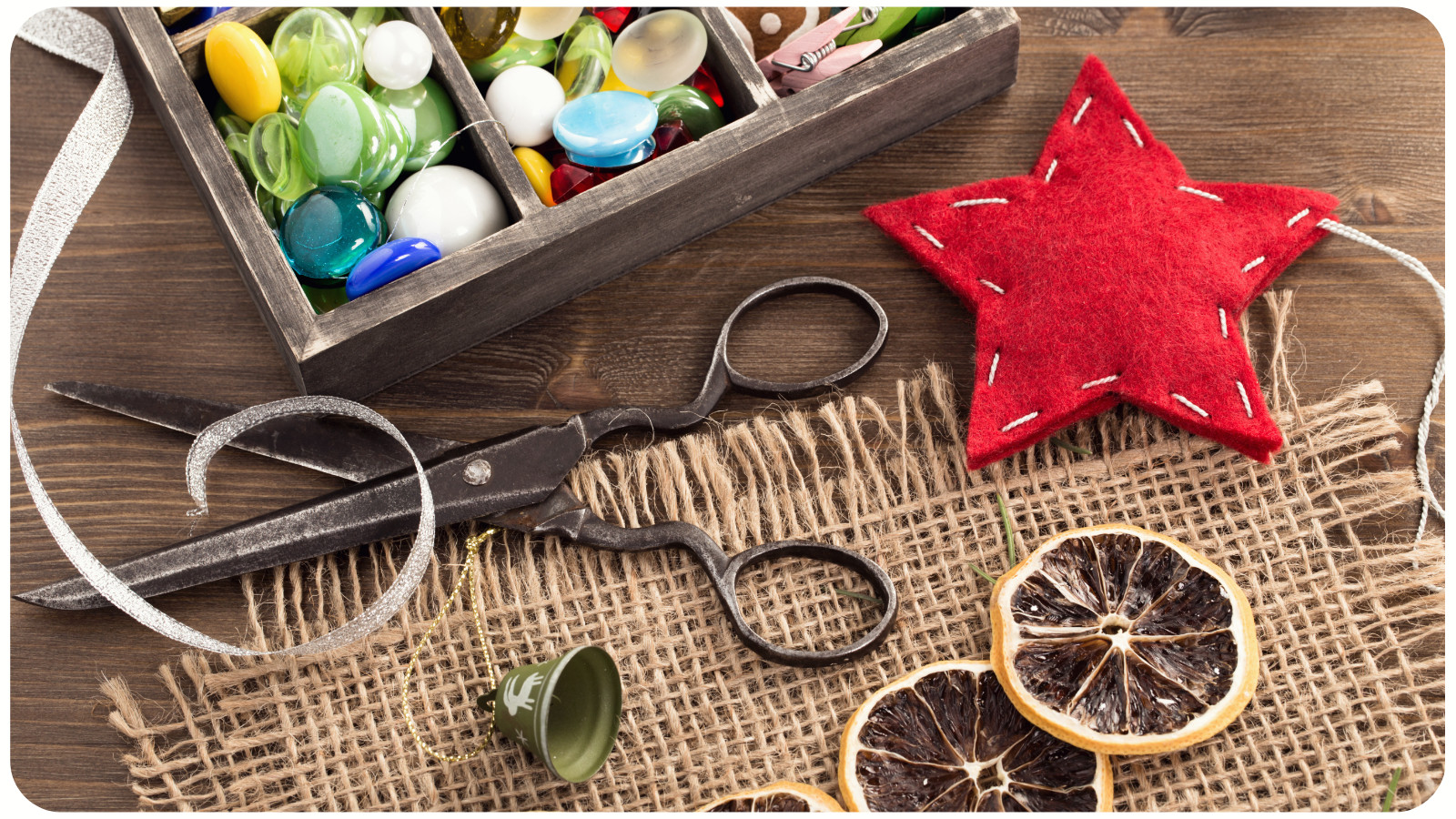
One of the myths we touched on earlier was about expensive materials—but let’s go deeper. Accessibility in crafting isn’t just about cost—it’s also about physical ability, access to tools, and inclusive design. Let’s break down how to make crafting welcoming for everyone.
Crafting on a Budget. You don’t need a fancy studio or brand-name supplies. Dollar stores, thrift shops, and even recycling bins are full of craft material potential. Some ideas:
- Upcycle old clothes for fabric scraps
- Use cereal boxes for cardboard bases
- Collect buttons, ribbons, and jars from everyday items
- Join community swaps or freecycle groups for supplies
You can also find free digital downloads like SVG files, printable templates, or cross-stitch patterns online.
Inclusive Tools and Materials. Not everyone can grip a tiny needle or stand at a cutting table for hours. Luckily, the crafting world is getting better at creating tools that are ergonomic, adaptive, and inclusive. From arthritis-friendly scissors to one-handed knitting aids, there’s something for every need.
Organizations are also creating craft kits for visually impaired users, seniors, and individuals with disabilities. The key? Listening to the needs of different creators and providing flexible options.
Creativity should never be gatekept. Crafting is for every body, every budget, and every background.
CHOOSING THE RIGHT CRAFT FOR YOU
With so many types of crafts out there—from paper quilling to woodturning—it’s easy to feel overwhelmed. But the beauty of crafting is that there’s something for everyone. Finding the right fit just takes a bit of exploration and self-awareness.
Exploring Different Types of Crafts. The craft world is massive. Here are a few popular categories to consider, each offering unique skills, tools, and creative satisfaction:
- Textile Arts: Knitting, crochet, sewing, quilting, embroidery
- Paper Crafts: Scrapbooking, card-making, origami, journaling
- Painting & Drawing: Acrylic, watercolor, ink, pastels
- Jewelry Making: Beading, metalworking, resin jewelry
- Wood Crafts: Carving, furniture DIY, pyrography
- Home Decor DIYs: Wreaths, candles, macramé, furniture flips
- Upcycling/Recycling Crafts: Turning trash into treasure with eco-conscious projects
Take time to test a few different crafts. You don’t have to commit right away. Try small projects, watch beginner tutorials, or attend a local class. You might discover a hidden passion for a type of crafting you never considered before.
Matching Crafts to Your Interests and Lifestyle. Your ideal craft should match your interests, your lifestyle, and how much time you realistically have. Some crafts are portable (like knitting), others are messy (like resin or painting), and some need special tools or safety precautions (like woodworking).
Ask yourself:
- Do I want something relaxing or energizing?
- Do I like working alone or with others?
- How much space do I have?
- What’s my budget for supplies?
- Do I want a fast project or something long-term?
When your craft fits your life, it becomes a joy—not a job. It becomes your creative “happy place.”
CONCLUSION: CRAFTING WITHOUT LIMITS
Crafting is one of the most accessible, expressive, and empowering hobbies out there—but too often, myths and misconceptions keep people from diving in. Whether it’s the idea that you need to be born creative, buy expensive tools, or follow every instruction to a T, these beliefs do nothing but limit your potential.
The truth is, crafting is for everyone. It’s not about perfection; it’s about passion. It’s not about competition; it’s about connection—with yourself, with your materials, and with the community. You don’t need permission to create. You just need to start.
So, go ahead. Pick up that yarn, that glue gun, that sketchpad. Make something messy. Make something imperfect. Make something that makes you smile. The myths have been busted—now it’s time to craft without limits.