


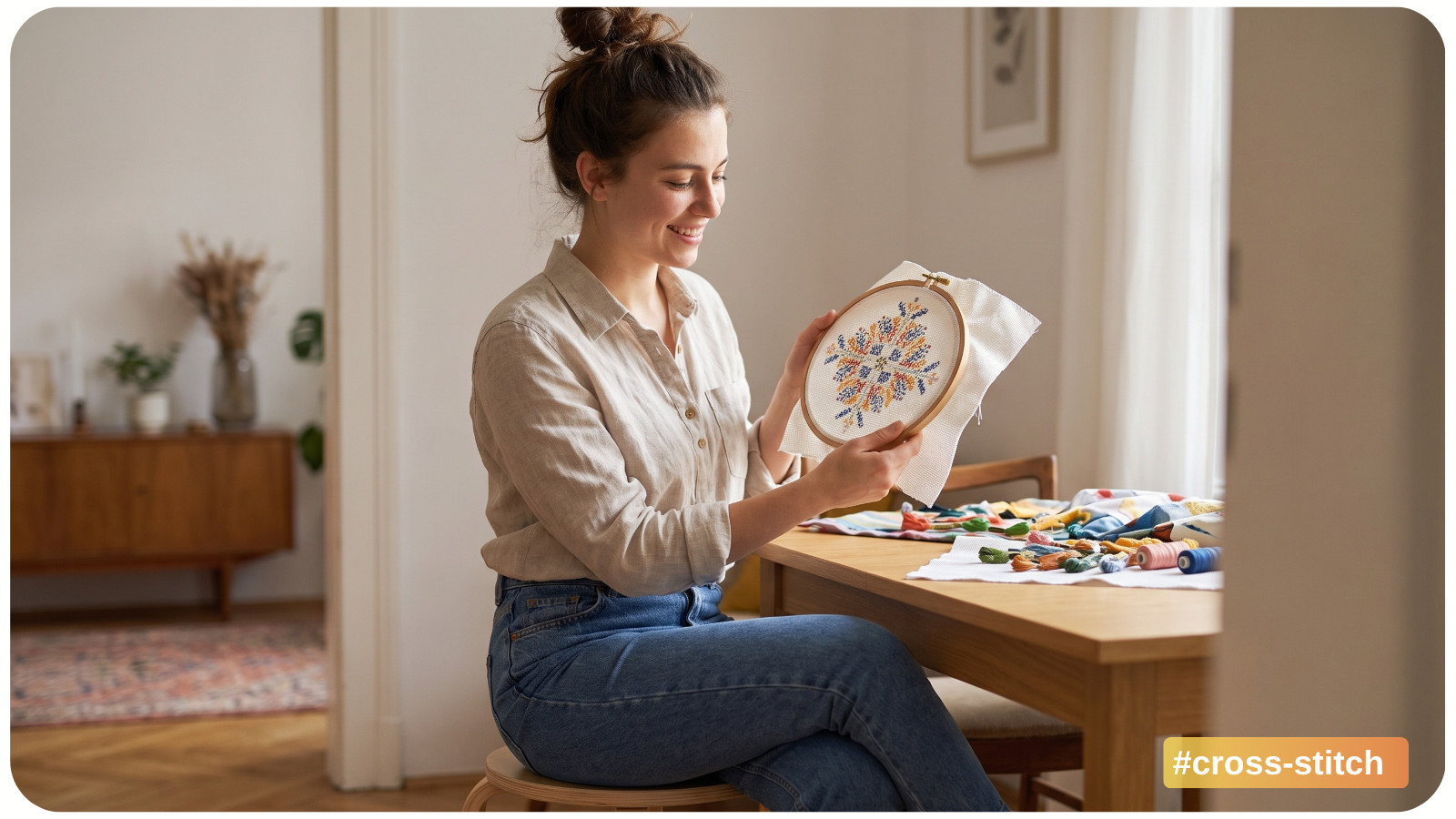
You may believe that you need artistic talent, excellent eyesight, endless patience, or expensive supplies before you can begin. Perhaps you have saved several patterns but still hesitate to make the first stitch because you are worried about doing something wrong.
The truth is much more encouraging: cross-stitch is one of the most accessible creative hobbies you can try. You do not have to be naturally artistic or perfectly prepared. You only need a few basic materials, a simple pattern, and permission to learn as you go.
Let’s challenge the most common cross-stitch myths that keep beginners from starting.
MYTH 1: YOU NEED TO BE ARTISTIC TO CROSS-STITCH
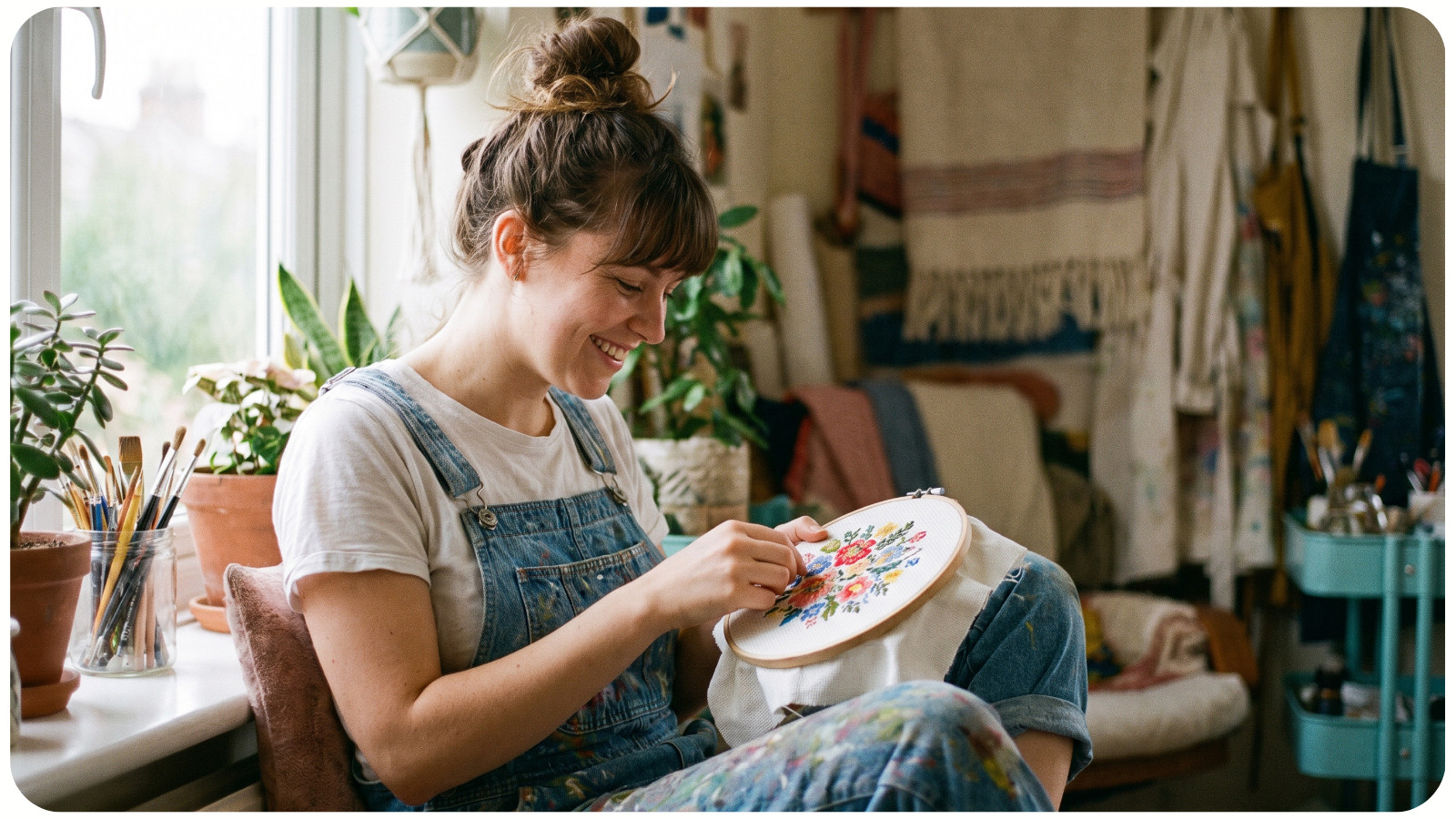
Many people assume that cross-stitch requires the ability to draw, paint, or understand complicated color theory. Fortunately, the pattern does most of that work for you.
A cross-stitch chart acts like a creative map. Each symbol corresponds to a thread color, and each square represents a stitch. You follow the chart one section at a time, gradually building the image.
You are not expected to invent the design from nothing.
Of course, creativity still plays an important role. You can choose your favorite pattern, change thread colors, select a different fabric, personalize a name, or decide how to display the finished piece. Cross-stitch gives you a helpful structure while still leaving room for personal expression.
It is creativity without the pressure of facing a blank canvas.
MYTH 2: EVERY STITCH HAS TO BE PERFECT
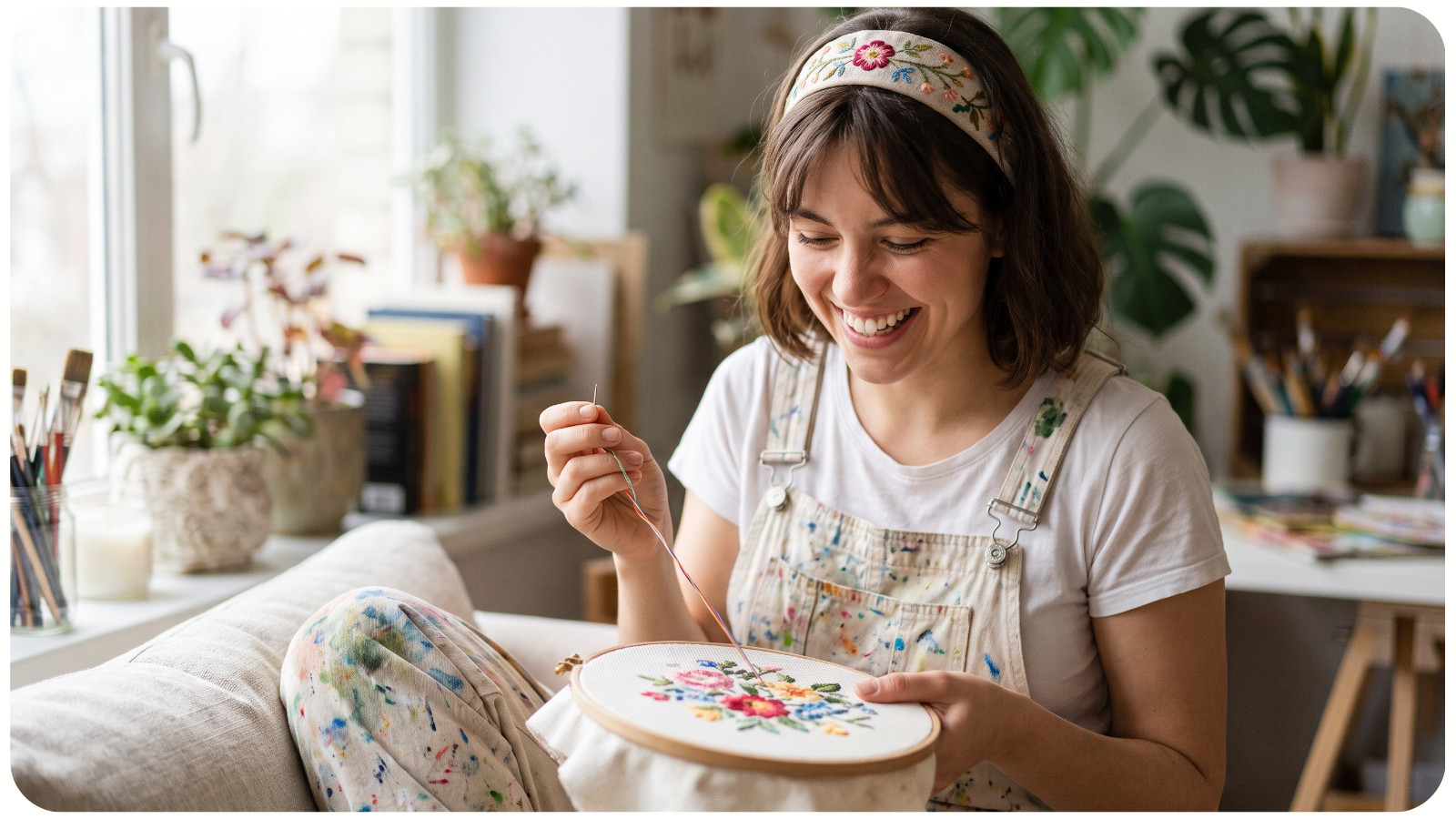
Perfectionism stops many beginners before they even open their first kit.
You may worry about uneven stitches, visible knots, messy backs, or accidentally using the wrong color. These concerns are understandable, but they do not need to prevent you from enjoying the process.
Small mistakes are part of learning. An imperfect stitch rarely ruins an entire project, and many errors are almost invisible once the design is complete.
Even experienced stitchers occasionally miscount, split the fabric incorrectly, or discover a misplaced stitch several rows later. The difference is that they have learned not to treat every mistake as a disaster.
Your first project is not an examination. It is an experiment. Focus on progress rather than perfect execution. Each time you thread a needle, read a pattern, or complete a small section, you are developing a new skill.
MYTH 3: CROSS-STITCH IS TOO DIFFICULT FOR BEGINNERS
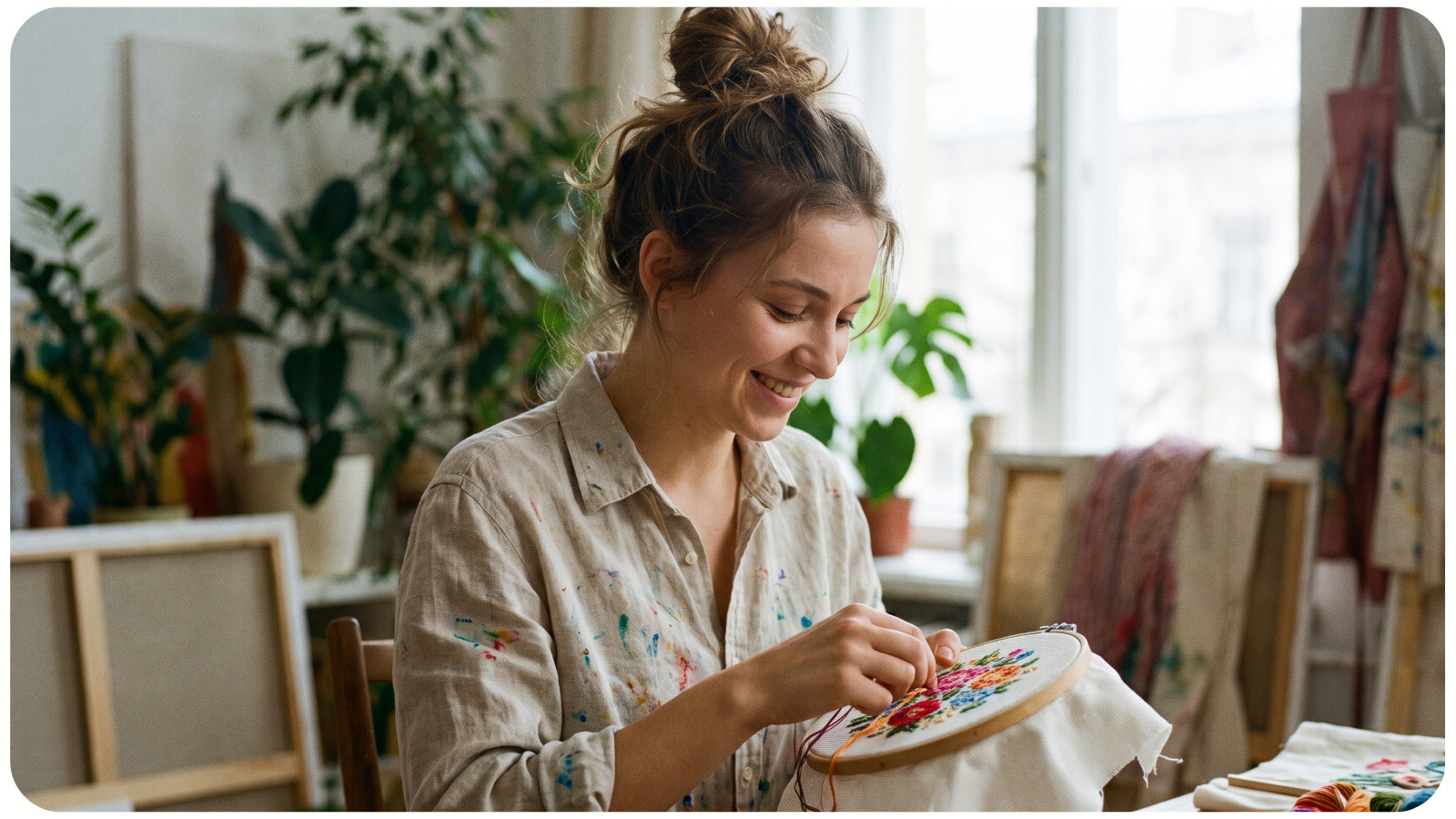
Some finished designs contain thousands of stitches, dozens of colors, detailed backstitching, and intricate shading. Looking at a large project can make the entire craft seem complicated.
However, you do not have to begin with an advanced pattern.
Beginner cross-stitch designs usually use:
- A limited number of thread colors;
- Clear symbols;
- Larger blocks of color;
- Minimal or no backstitching;
- A manageable finished size.
The basic stitch is simply an X. Once you understand how to bring the needle through the fabric and keep your stitches facing the same direction, you already know the foundation of the craft.
The project may contain hundreds of stitches, but you only make one stitch at a time. Choose a small design that genuinely excites you. Completing a miniature flower, animal, ornament, or landscape will teach you more than spending weeks worrying about whether you are ready.
MYTH 4: YOU NEED EXPENSIVE SUPPLIES
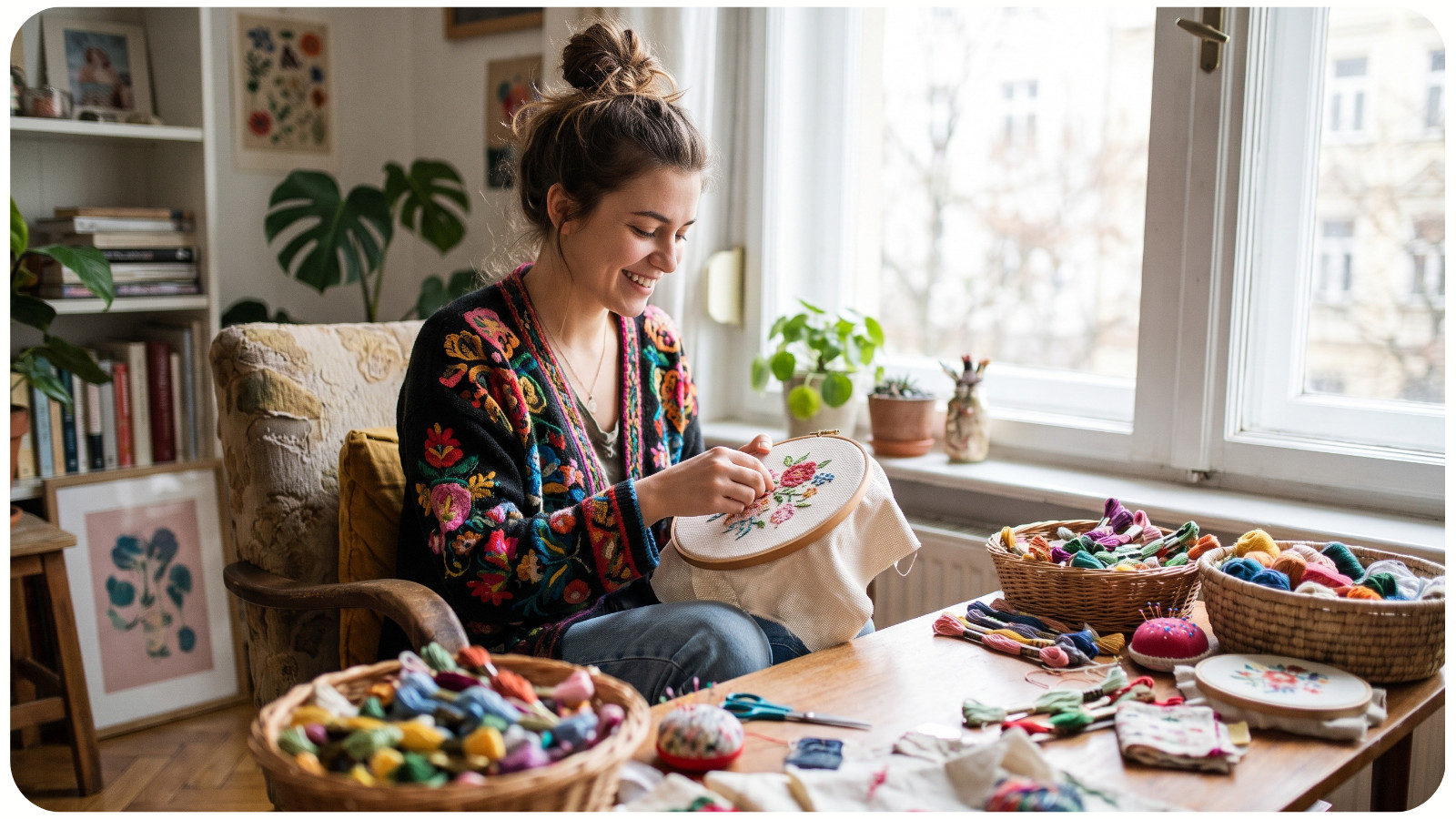
Cross-stitch can become an extensive hobby, but it does not require a large investment at the beginning.
A basic project usually needs only:
- Aida fabric;
- Embroidery floss;
- A tapestry needle;
- A cross-stitch pattern;
- Scissors;
- An embroidery hoop or frame.
A beginner kit is often the easiest option because the fabric, thread, needle, and pattern are already coordinated. You do not have to select every material separately or worry about buying the wrong thread colors.
Later, you may enjoy collecting organizers, needle minders, specialty scissors, storage boxes, and different fabrics. These accessories can make stitching more convenient, but they are not requirements for getting started.
Begin with the essentials. Let your collection grow naturally as you discover what you actually enjoy using.
MYTH 5: CROSS-STITCH TAKES TOO MUCH TIME

Large cross-stitch projects can take weeks or months, but that does not mean you need hours of free time every day.
Cross-stitch works beautifully in short sessions. You can stitch for ten minutes while drinking your morning coffee, complete a few rows during a quiet evening, or work on a small section while listening to an audiobook.
There is no rule that says a project must be completed quickly.
In fact, the slow pace is part of the appeal. Cross-stitch encourages you to step away from constant notifications, rushing, and multitasking. For a little while, your attention narrows to the fabric, the pattern, and the movement of the thread.
A few stitches still count as progress. Rather than asking, “How quickly can I finish this?” try asking, “How can I enjoy the time I spend making it?”
MYTH 6: CROSS-STITCH IS BORING OR REPETITIVE
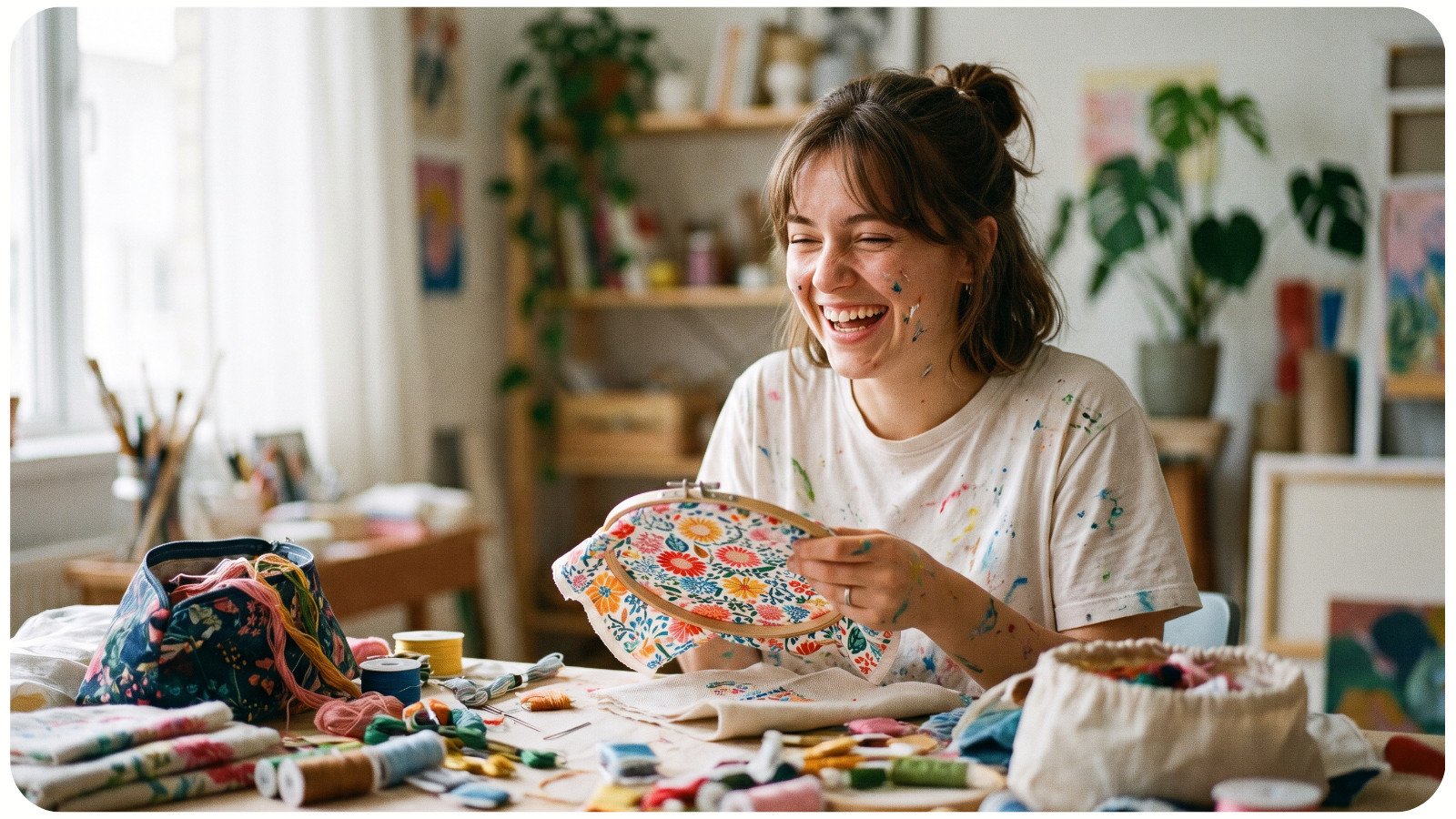
Cross-stitch does involve repeated movements, but repetition does not automatically mean boredom.
For many people, the rhythm is calming. The process of making one small X after another can create a sense of order, especially after a stressful or overstimulating day. Your hands remain gently occupied while your mind has space to settle.
The experience can feel different depending on what you pair it with. You might stitch while:
- Listening to music;
- Watching a familiar show;
- Enjoying a podcast;
- Sitting outside;
- Talking with a friend;
- Spending a quiet evening alone.
Cross-stitch also offers variety through colors, subjects, fabrics, techniques, and project sizes. One week you might create a tiny floral ornament; the next, you may start a detailed landscape or a funny quote.
The stitches may be simple, but the possibilities are not.
MYTH 7: YOU MUST FINISH EVERY PROJECT YOU START
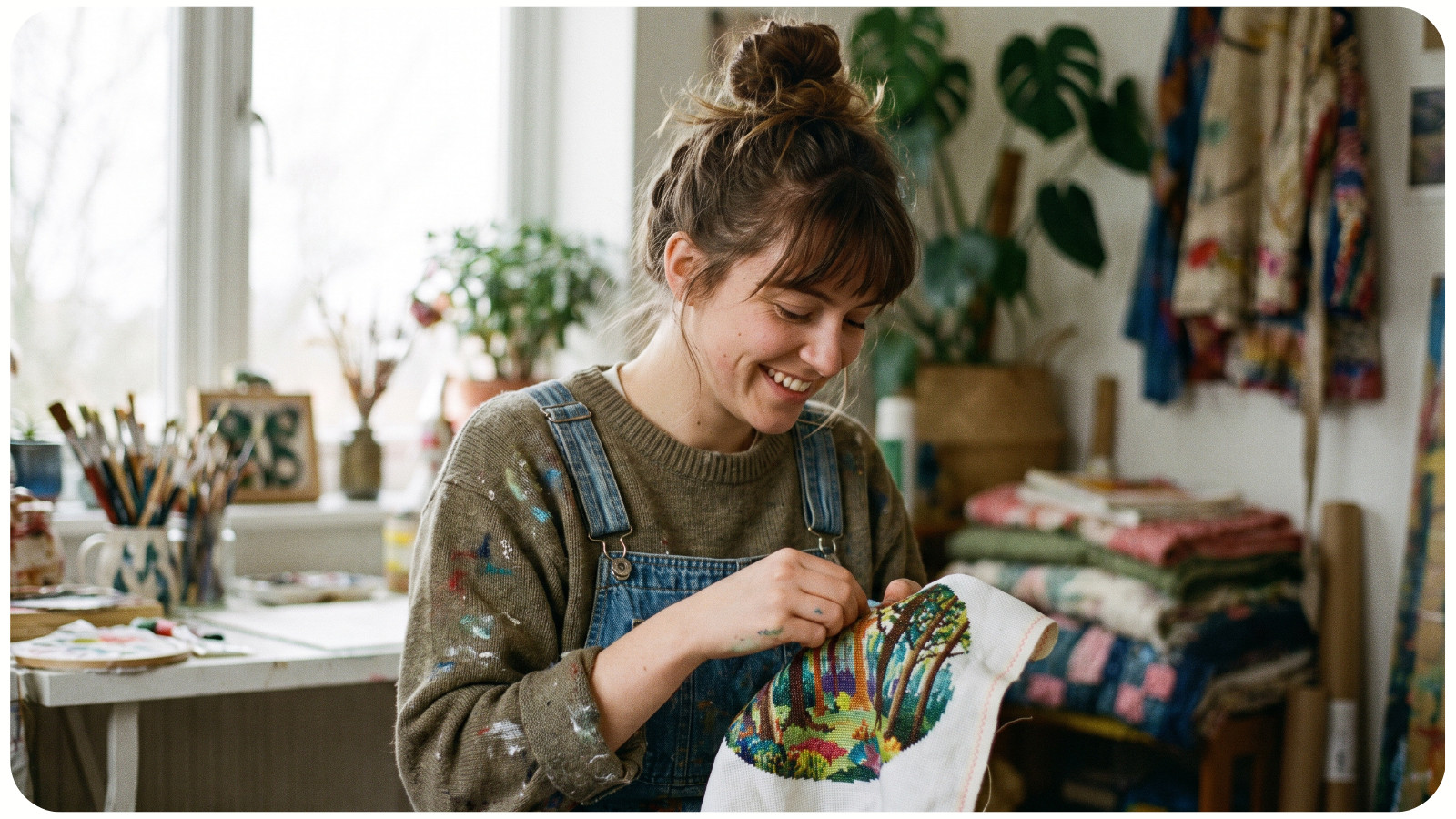
Unfinished projects are often treated as evidence of failure. In reality, they are a normal part of having a creative hobby.
Sometimes your interests change. A pattern that excited you six months ago may no longer match your mood. You might pause a large project to work on something smaller, brighter, or more seasonal.
You are allowed to take breaks. A project can wait in a drawer until you feel ready to return. You can also reuse the materials, gift the unfinished piece to another stitcher, or decide that the project taught you what you needed to learn.
Creativity does not have to be measured only by completed objects. The time you spend exploring, practicing, and enjoying the process still has value.
HOW CROSS-STITCH CAN SUPPORT YOUR WELL-BEING
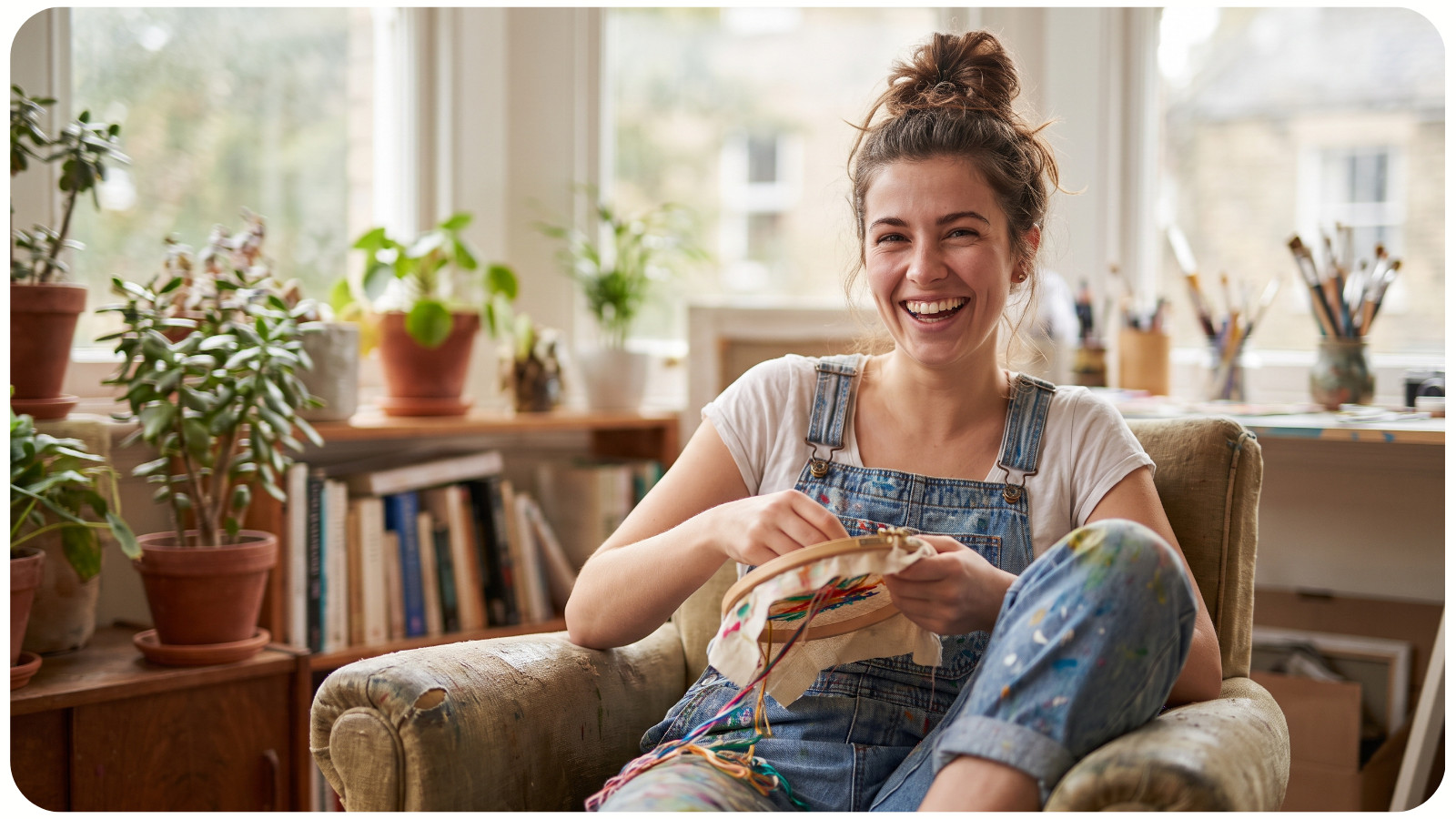
Cross-stitch is not a replacement for professional mental health care, but it can become a comforting part of a balanced self-care routine.
The repetitive movement may help you slow down and focus on the present task. Following a pattern can provide gentle structure, while choosing colors and designs gives you a satisfying form of creative expression.
The craft also creates visible progress. When life feels uncertain or overwhelming, completing a small section can offer a simple sense of accomplishment.
You begin with an empty piece of fabric. Gradually, your effort becomes something you can see, touch, frame, wear, or give to someone you care about. That transformation can feel deeply rewarding.
GIVE YOURSELF PERMISSION TO BE A BEGINNER
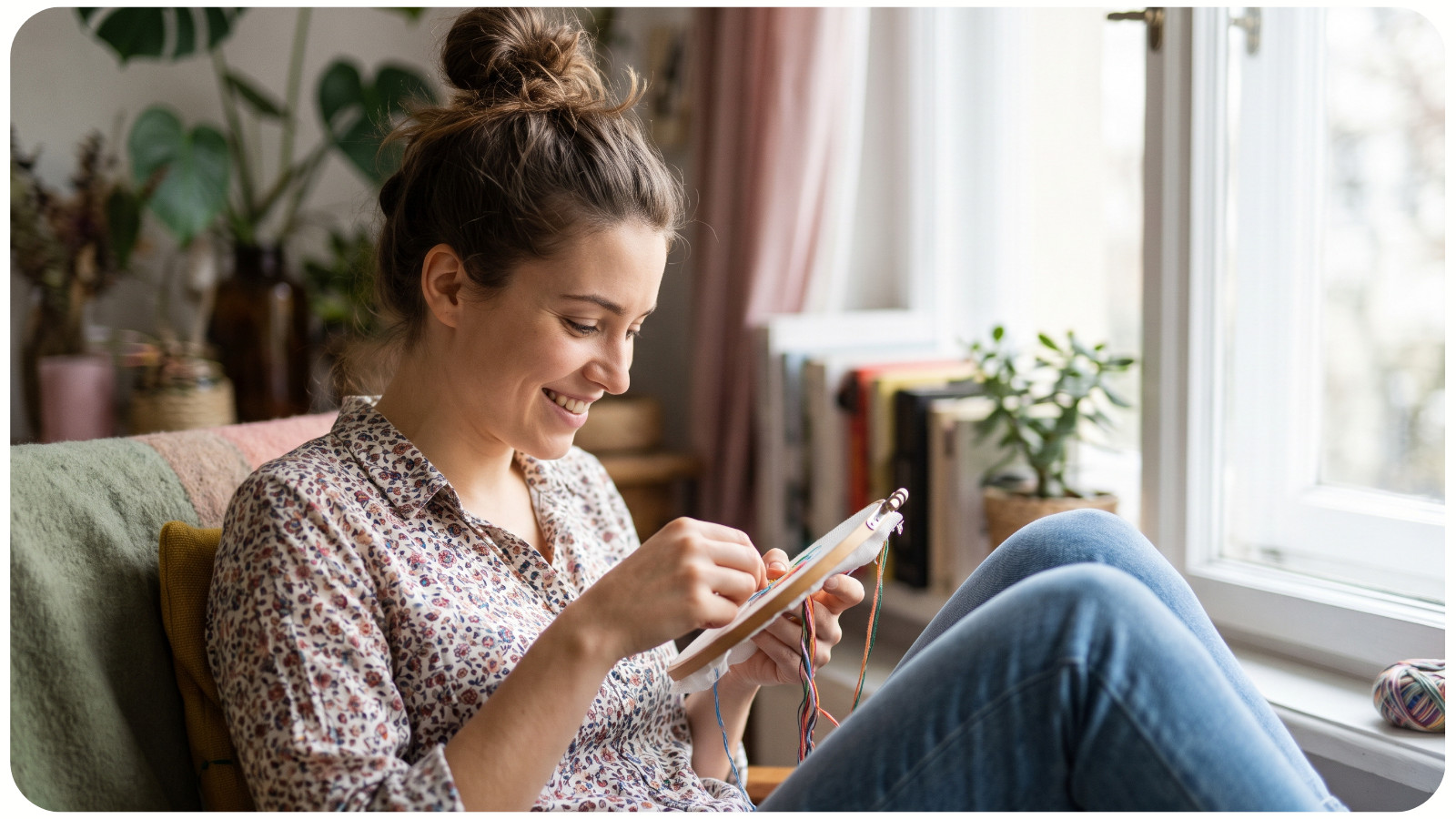
The biggest myth may be the belief that you need to feel completely confident before you start. Confidence usually comes after action, not before it.
Your first stitches may be uneven. You may need to reread the instructions or remove a few misplaced stitches. None of that means you are bad at cross-stitch. It means you are learning.
Choose a pattern that makes you smile. Gather a few basic supplies. Thread your needle and make the first X. You do not need to create a masterpiece today. You only need to begin.
Every experienced stitcher once held a needle for the first time – and every beautiful cross-stitch project started with one small stitch.