


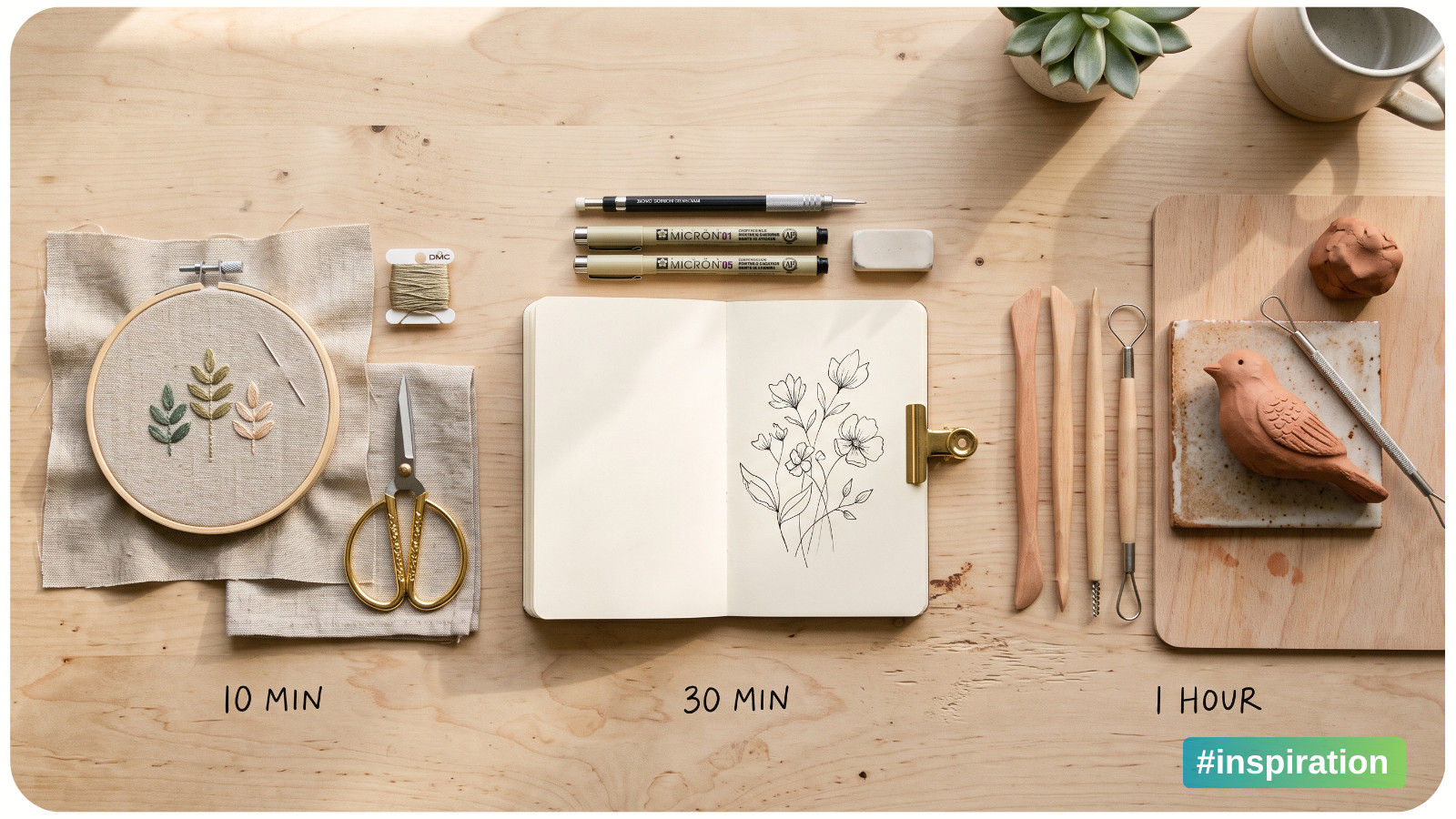
You do not need a free afternoon to make something by hand. You need a craft that fits the time, attention, and energy you actually have.
That difference matters. A project can be easy but still feel impossible if it takes 20 minutes to set up. The best crafts for busy people are easy to start, easy to pause, and satisfying in the time available.
This guide will help you choose a creative hobby for 10 minutes, 30 minutes, one hour, or a longer block of free time. It also explains the hidden time costs that can turn a quick craft into a much longer session.
Quick Guide: Match the Craft to Your Available Time
Before choosing a project, count the whole session:
Setup time + making time + cleanup time = the time the craft really needs
Then decide whether you want to finish something today or make steady progress on a larger piece. Use this chart as a starting point, not a promise of exact completion time.
Craft ideas by available session time | ||
Time available | Best type of craft | Good options |
|---|---|---|
5 to 15 minutes | Low setup, easy to pause | Cross-stitch, hand embroidery, diamond painting, simple paper folding |
20 to 30 minutes | One small task or clear section | Visible mending, card making, collage, a small stitching session |
45 to 60 minutes | A mini project or focused work block | Felt ornament, small embroidery motif, simple beading, mini watercolor |
2 hours or more | Crafts with tools, steps, or cleanup | Machine sewing, clay, block printing, candle making |
Short sessions over many days | Modular projects with clear stopping points | Cross-stitch, embroidery, diamond painting, quilting, crochet |
Your speed, skill level, tools, and project size will change the timing. A beginner may need extra time to read instructions, test materials, or correct a mistake.
Choose by Session Time, Not Total Project Time
People often ask, “How long does this craft take?” A better question is, “How long do I need each time I sit down?”
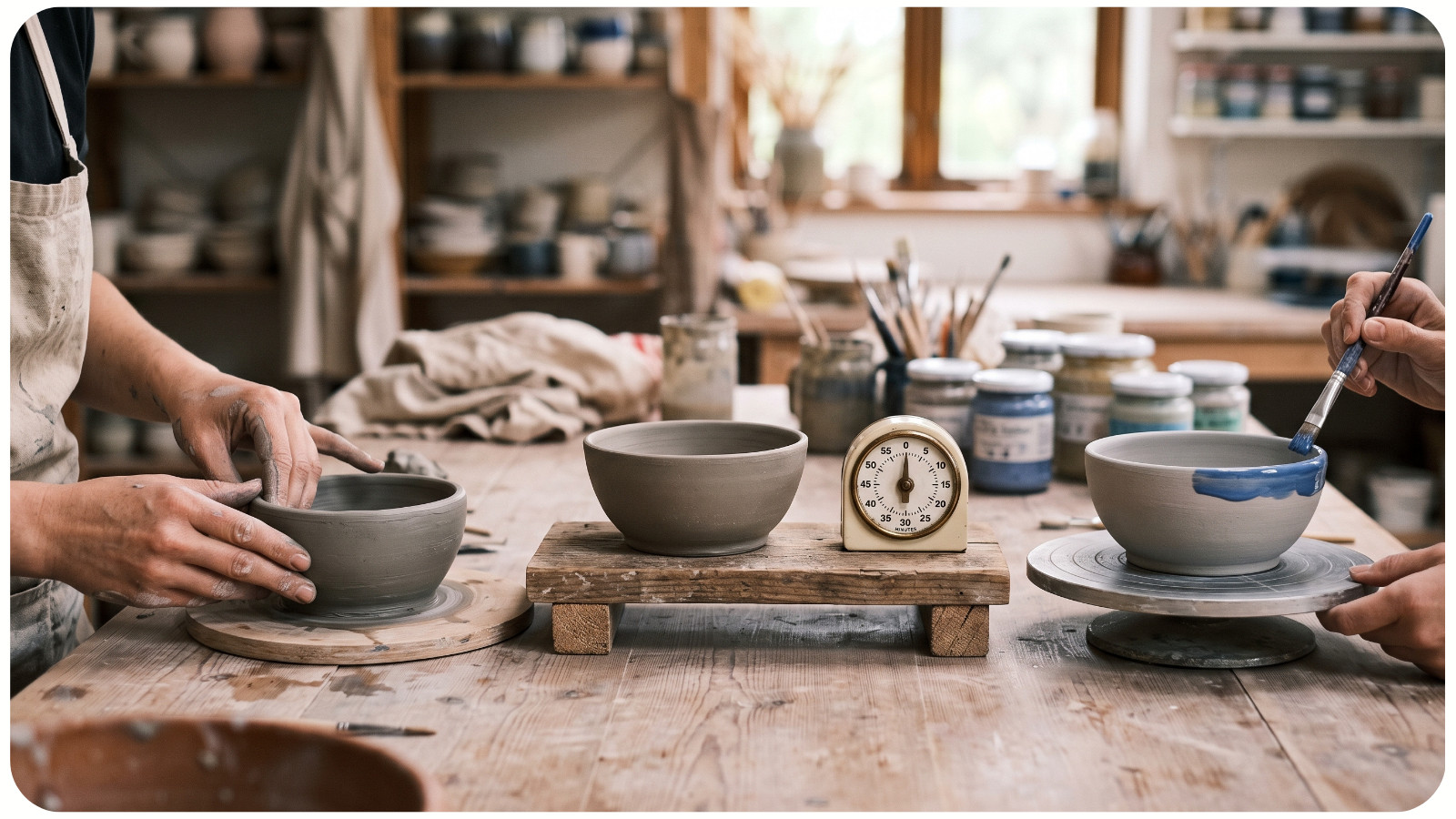
A large cross-stitch design may take many weeks, but you can add a small group of stitches in 10 minutes. A simple clay dish may need less active work, but it also needs space, cleanup, and drying time. Count active work, waiting stages, and the effort needed to restart.
If your free time is broken into small pieces, choose a craft with low return time. A chart, marked section, or repeated technique can help you continue without solving the same problem again.
Best Crafts When You Have 5 to 15 Minutes
Short sessions work best when supplies fit in one small container and the project has a clear stopping point.
Cross-Stitch
Cross-stitch works well for busy adults because a chart divides the design into small, countable areas. In a short session, stitch part of one color section and mark your stopping point on the chart.
Choose a smaller pattern with larger connected color areas if you want to see progress quickly. Frequent color changes and scattered single stitches usually need more concentration. If you are new to the craft, this guide to cross-stitch patterns for beginners can help you choose a manageable first design.
Hand Embroidery
An embroidery project can grow one small area at a time. Simple outlines, leaves, or repeated stitches are easier to pause than careful shading. Note where you stopped before storing it.
Diamond Painting
For a short diamond painting session, uncover one compact area of the adhesive canvas, place the drills, then cover it again. A labeled organizer reduces setup time. Learning how to read diamond painting symbols and charts can also make each return to the canvas faster.
Simple Paper Crafts
A simple beginner origami shape, a few collage pieces, or a gift tag can fit into a short break. Prepare paper in advance so the session begins with making.
Best Crafts When You Have 20 to 30 Minutes
Half an hour gives you enough time to complete one useful step and still clean up without rushing.
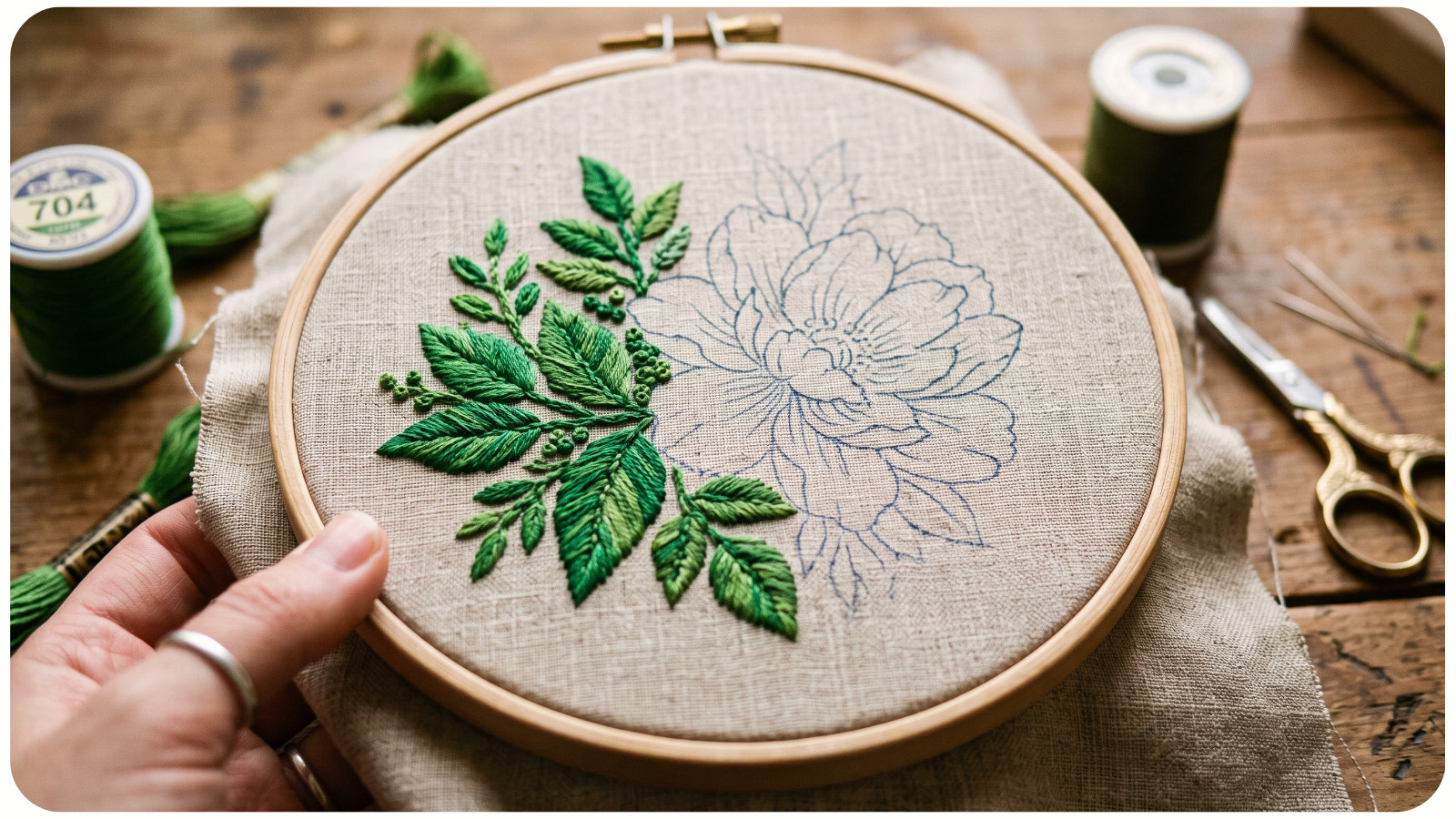
Good quick crafts for a 30-minute session include:
• Mending a small tear or adding a simple visible patch
• Making one greeting card
• Building one page in a scrapbook or art journal
• Stitching one small motif or one chart section
• Completing one color area in a diamond painting
• Cutting felt pieces for a small ornament
Use a goal that you can see. “Work on embroidery” is vague. “Finish the green leaves” gives the session a clear end. If the task takes longer, stop at a natural boundary.
Best Crafts When You Have 45 to 60 Minutes
An hour opens the door to projects with a little more preparation. You can make a small finished item, or complete a meaningful stage of a larger one.
Try a very simple felt ornament, an embroidered patch, a beaded keychain, a mini watercolor, or a small paper flower. You may finish a small design in one session if the materials are ready and you know the technique. If you are learning, treat the first hour as practice and allow extra time.
This is also a useful session length for cross-stitch, embroidery, and diamond painting. Set a stopping alarm five or ten minutes before the end so you can secure materials and leave a note for next time.
Best Crafts for a Whole Evening or Weekend
Choose a longer block when the craft involves several tools, a messier workspace, or steps that are hard to interrupt.
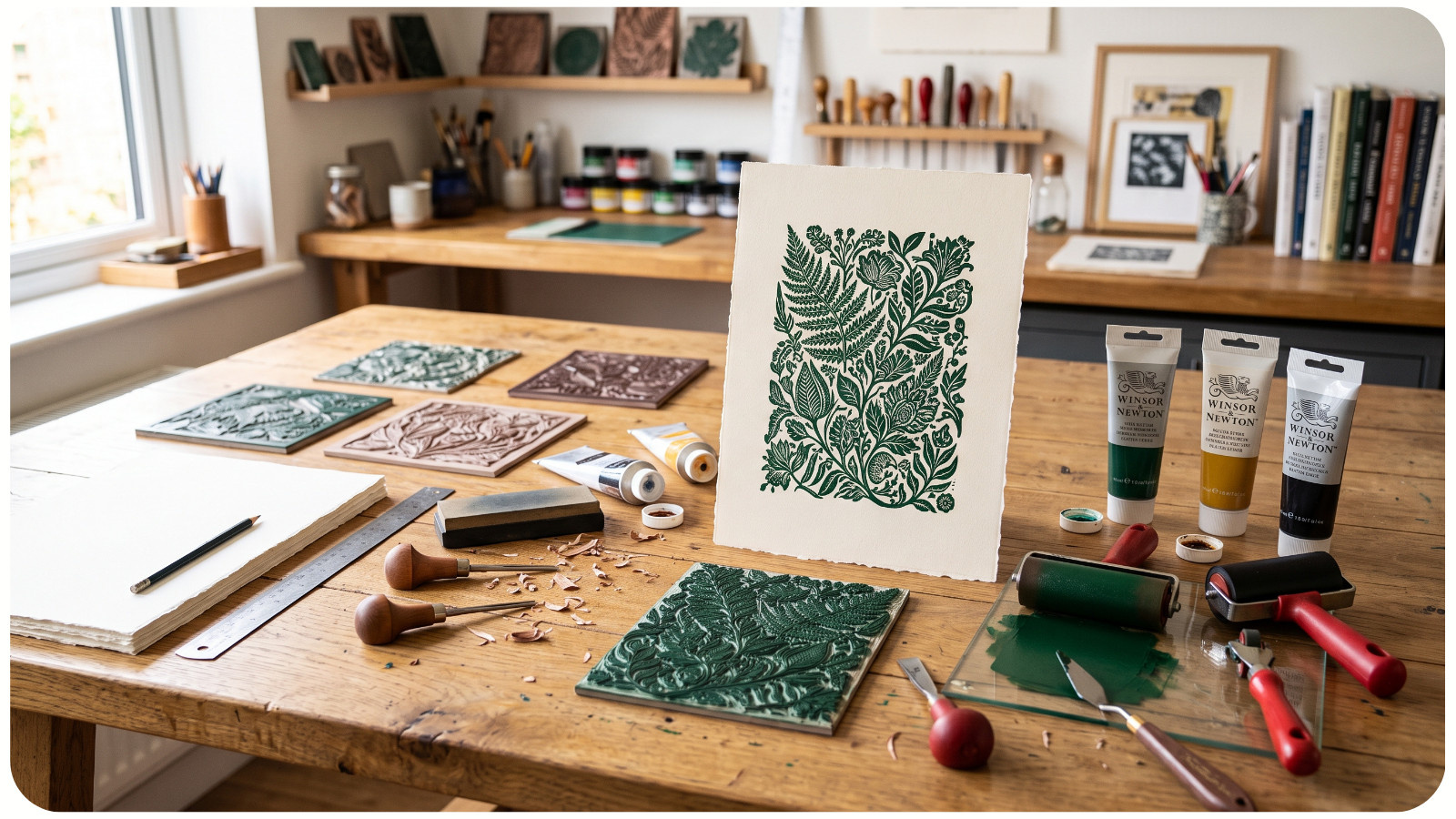
Machine sewing, block printing, clay work, candle making, and furniture upcycling often benefit from longer sessions. The exact time depends on the project. Some also include waiting stages, so read the full instructions before you begin.
A two-hour evening does not promise a finished object. Plan around one stable checkpoint, such as cutting the fabric, testing a print, or shaping the clay.
If you enjoy returning to one project over many days, explore these slow craft ideas for a calmer creative routine.
Check the Hidden Time Costs Before You Choose
Two crafts that each promise a 30-minute project may feel very different in real life. Look at these practical details before buying supplies.
Setup and Cleanup
Needle crafts often need little cleanup. Paint, clay, ink, wax, and glue may require protected surfaces, washing, or careful storage.
Portability
Cross-stitch, embroidery, crochet, and some paper crafts can travel in a small bag. A lightweight hoop can make a needlework project easier to carry, although the right support depends on the project. This overview of different types of cross-stitch frames explains the main options. Large canvases, sewing machines, and wet materials usually need a fixed area.
Ease of Stopping
A good short-session craft lets you pause without losing your place. Repeated stitches and charted sections are easy to divide. Wet or timed steps may need uninterrupted attention.
Mental Energy
After a busy day, a repeated pattern may feel easier than measuring and planning. Save detail-heavy steps for times when you feel alert.
Storage
A ready tray is easier to start than supplies packed into several boxes. If you must clear the table, choose compact supplies or a portable craft station.
A Simple Way to Pick Your Craft Today
Ask yourself four questions:
1. How many uninterrupted minutes do I really have?
2. Do I want a finished item today, or am I happy to make progress?
3. How much setup and cleanup can I handle?
4. Do I want careful decisions or a repeated, relaxing motion?
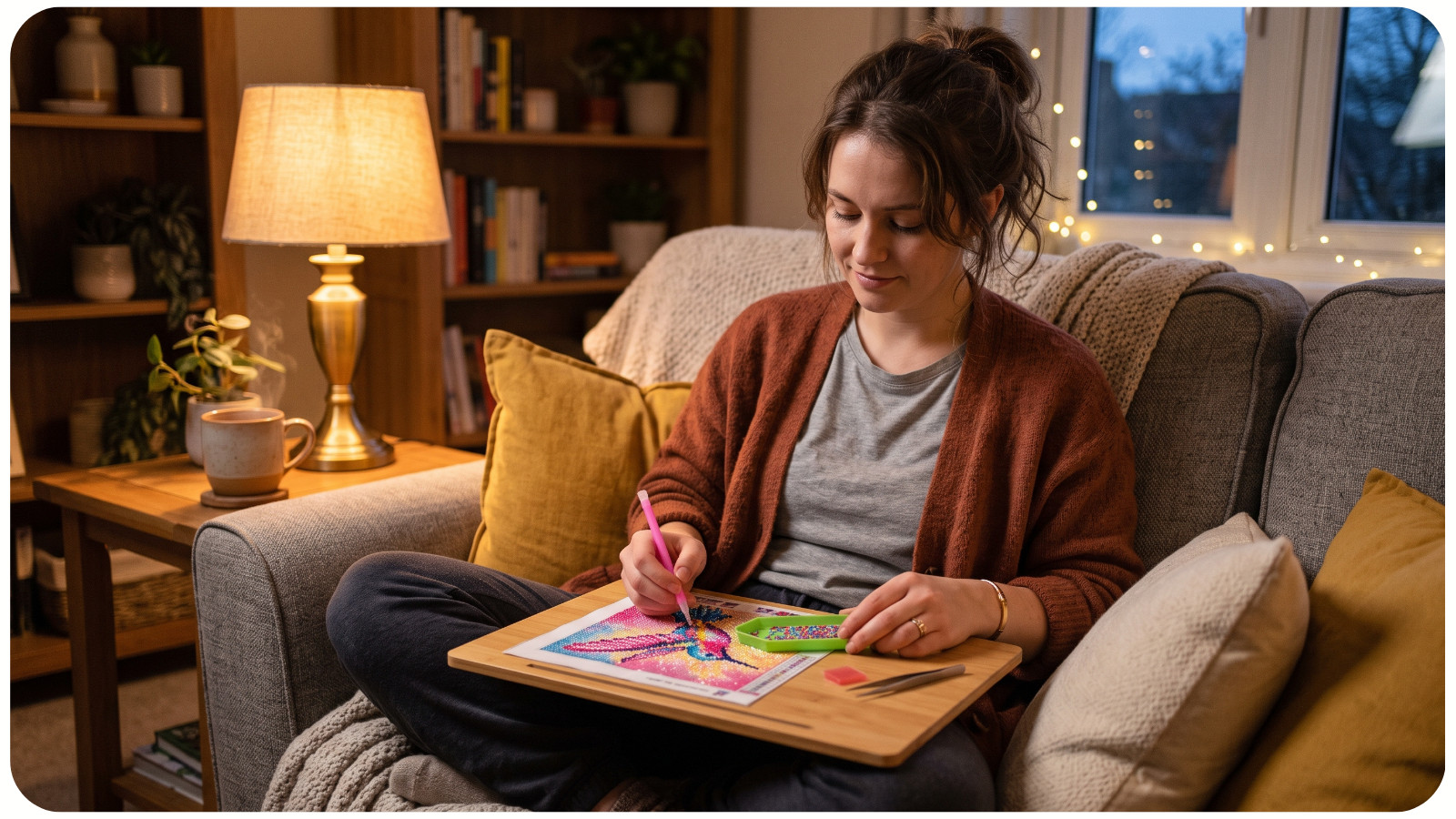
If you have 10 tired minutes, choose a ready-to-go stitching or diamond painting task. If you have 30 focused minutes, complete one small paper, mending, or textile goal. If you have a full evening and room to spread out, choose a craft with more tools and steps.
How to Make Any Craft Fit a Busy Schedule
You can reduce the time barrier by preparing the project for your future self.
• Keep the project and its tools together.
• Write down the next small action before you stop.
• Pre-sort materials when you have a longer session.
• Use a tray or project bag that moves without repacking.
The goal is not to make every hobby fast. It is to remove the small delays that keep you from beginning.
Frequently Asked Questions
What Is the Easiest Craft for a Busy Person?
The easiest option is usually a low-mess craft with little setup and clear stopping points. Cross-stitch, basic embroidery, diamond painting, collage, and paper crafts can all work well.
Can I Start a Craft If I Only Have 10 Minutes a Day?
Yes. Choose a project that can stay organized between sessions. A few stitches or one small section each day still creates visible progress over time.
What Crafts Can I Finish in One Sitting?
Gift tags, greeting cards, origami, small mending jobs, felt decorations, and tiny painted pieces may fit into one sitting. Allow extra time when learning.
Is a Long-Term Craft a Bad Choice If I Am Busy?
Not at all. A long project can suit a busy schedule if it is easy to divide into small steps. Choose a clear pattern, keep supplies organized, and record where to restart.
Choose the Craft You Can Return To
The right craft is not the one with the shortest completion time. It is the one that fits your real sessions and makes the next step easy.
Count setup and cleanup, choose a useful stopping point, and match the project to your energy. Ten focused minutes can be enough to build a steady creative habit, one small section at a time.