



WHY MINIATURE CRAFTING IS GROWING IN POPULARITY
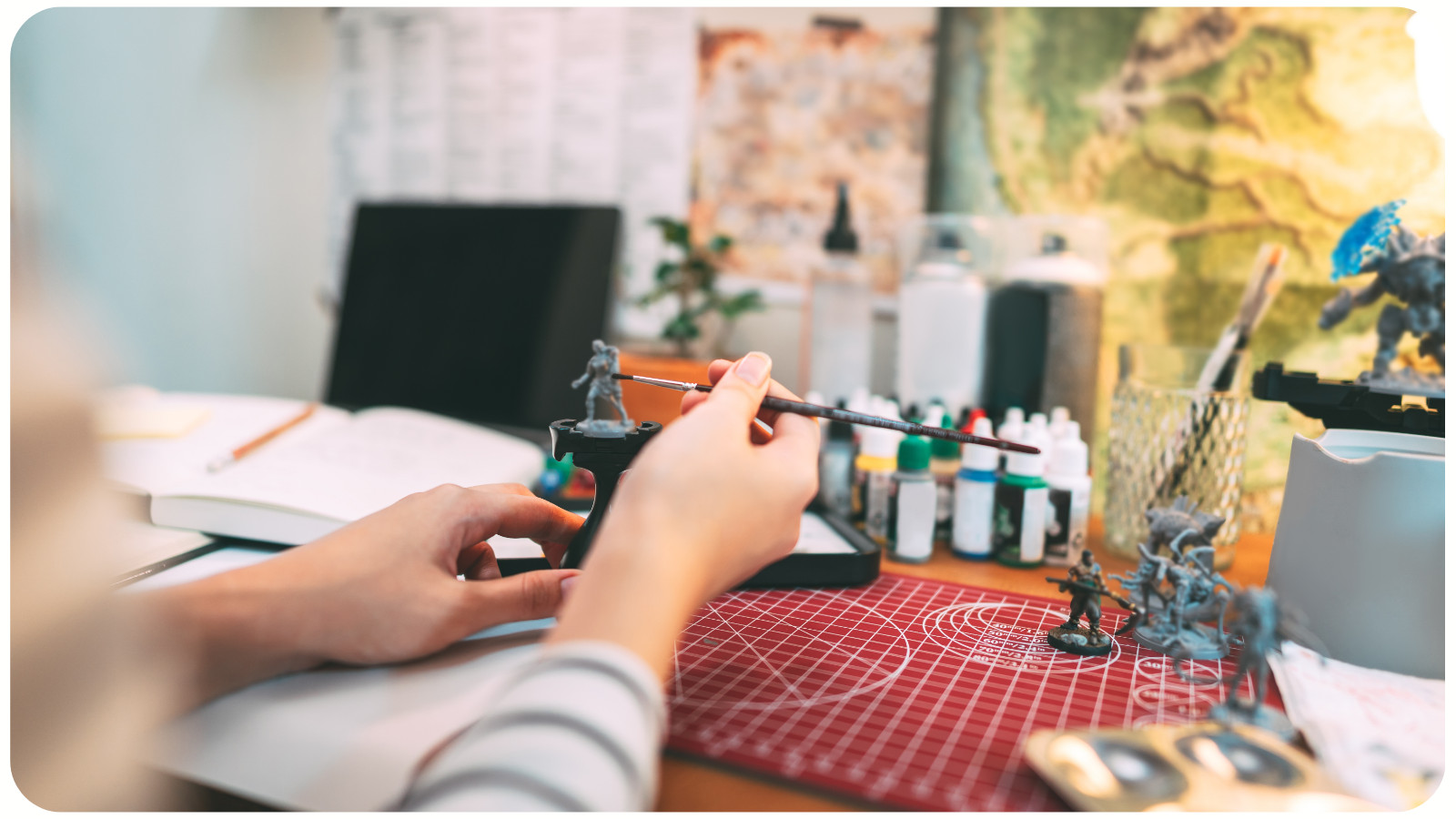
There’s something inherently magical about miniatures. They capture our imagination, reminding us of childhood dollhouses, fantasy worlds, and the joy of meticulous craftsmanship. Here are a few reasons why micro-crafting has become so popular:
- Nostalgia Factor – Many people love the charm of tiny objects, often evoking childhood memories.
- Creativity Boost – The ability to replicate real-world objects on a small scale is a true artistic challenge.
- Therapeutic Hobby – The level of focus required in micro-crafting can be incredibly relaxing.
- Social Media Influence – Short-form videos showcasing tiny creations have fueled interest in the craft.
Micro-crafting isn't just about making small things—it's about storytelling, precision, and the joy of crafting in miniature form. If you're intrigued by this incredible art, let's dive into its history and how it evolved into the popular craft it is today.
THE HISTORY AND EVOLUTION OF MINIATURE CRAFTING
Micro-crafting may seem like a modern phenomenon, but the fascination with miniatures dates back centuries. Humans have always been drawn to tiny versions of everyday objects, whether for ritualistic, artistic, or playful purposes.
- Ancient Origins – Miniature sculptures and figurines have been found in ancient civilizations, from tiny clay dolls in Egyptian tombs to miniature utensils in Greek and Roman sites.
- Dollhouse Traditions – The 17th and 18th centuries saw the rise of dollhouses in Europe, particularly among the wealthy, who commissioned artisans to craft exquisite miniature furnishings.
- Cultural Significance – In Japan, Hinamatsuri (Doll Festival) showcases meticulously crafted miniature dolls representing the imperial court.
- Modern-Day Miniatures – Today, artists use a variety of materials and tools to create hyper-realistic miniatures, often incorporating digital techniques like 3D printing.
The evolution of miniature crafting reflects humanity’s love for detail, patience, and artistry. Now, let’s explore the essential tools and materials needed to get started.
ESSENTIAL TOOLS AND MATERIALS FOR MICRO-CRAFTING

If you’re considering diving into micro-crafting, having the right tools and materials is crucial. Because these projects involve minute details, precision tools are a must-have.
Choosing the Right Tools
- Scalpels & Precision Knives – Used for detailed cutting and shaping.
- Tweezers & Pliers – Essential for handling tiny pieces with accuracy.
- Magnifying Glass or Headband Magnifier – Helps in seeing the finest details.
- Fine Brushes & Needle Tools – For painting and adding textures.
- Cutting Mat & Rulers – Keeps work neat and precise.
Materials That Bring Miniatures to Life
- Polymer Clay – Great for sculpting miniature food, figures, and tiny accessories.
- Wood & Paper – Perfect for crafting dollhouse furniture and tiny books.
- Resin & Metal – Used for creating glossy finishes and durable miniatures.
- Fabric & Thread – Miniature embroidery and tiny textiles add realism.
With the right tools and materials, you can start exploring the different types of miniature projects and bring your creative ideas to life.
DIFFERENT TYPES OF MICRO-CRAFTING PROJECTS
Micro-crafting is a diverse art form with endless possibilities. Whether you enjoy working with clay, wood, or fabric, there's a miniature craft for you. Here are some of the most popular types of micro-crafting projects:
Dollhouse Miniatures. Dollhouse miniatures are among the most popular forms of micro-crafting. Artists create tiny furniture, dishes, decorations, and even realistic miniature rooms. These projects require a keen eye for detail, as every tiny object must be accurately scaled.
Miniature Food Replicas. Miniature food crafting involves sculpting hyper-realistic dishes using polymer clay or resin. Artists craft tiny cakes, sushi, and even full-course meals, sometimes adding texture and color to make them look incredibly real.
Tiny Sculptures and Figurines. For those who love sculpting, creating small figurines or animals can be an exciting challenge. Many artists use polymer clay, metal, or resin to sculpt tiny characters with expressive details.
Micro-Origami and Paper Art. Micro-origami takes traditional paper folding to the extreme, requiring tweezers and a steady hand to create intricate designs on a minuscule scale. This craft is both challenging and rewarding.
Miniature Embroidery and Textiles. Some micro-crafters specialize in embroidery, creating tiny, intricate patterns on a miniature scale. From hand-stitched flowers to tiny cross-stitch patterns, this delicate art requires extreme precision.
Each of these micro-crafting projects allows artists to express their creativity in unique and beautiful ways. Now, let's explore how to get started with a step-by-step guide.
STEP-BY-STEP GUIDE TO CREATING MINIATURES
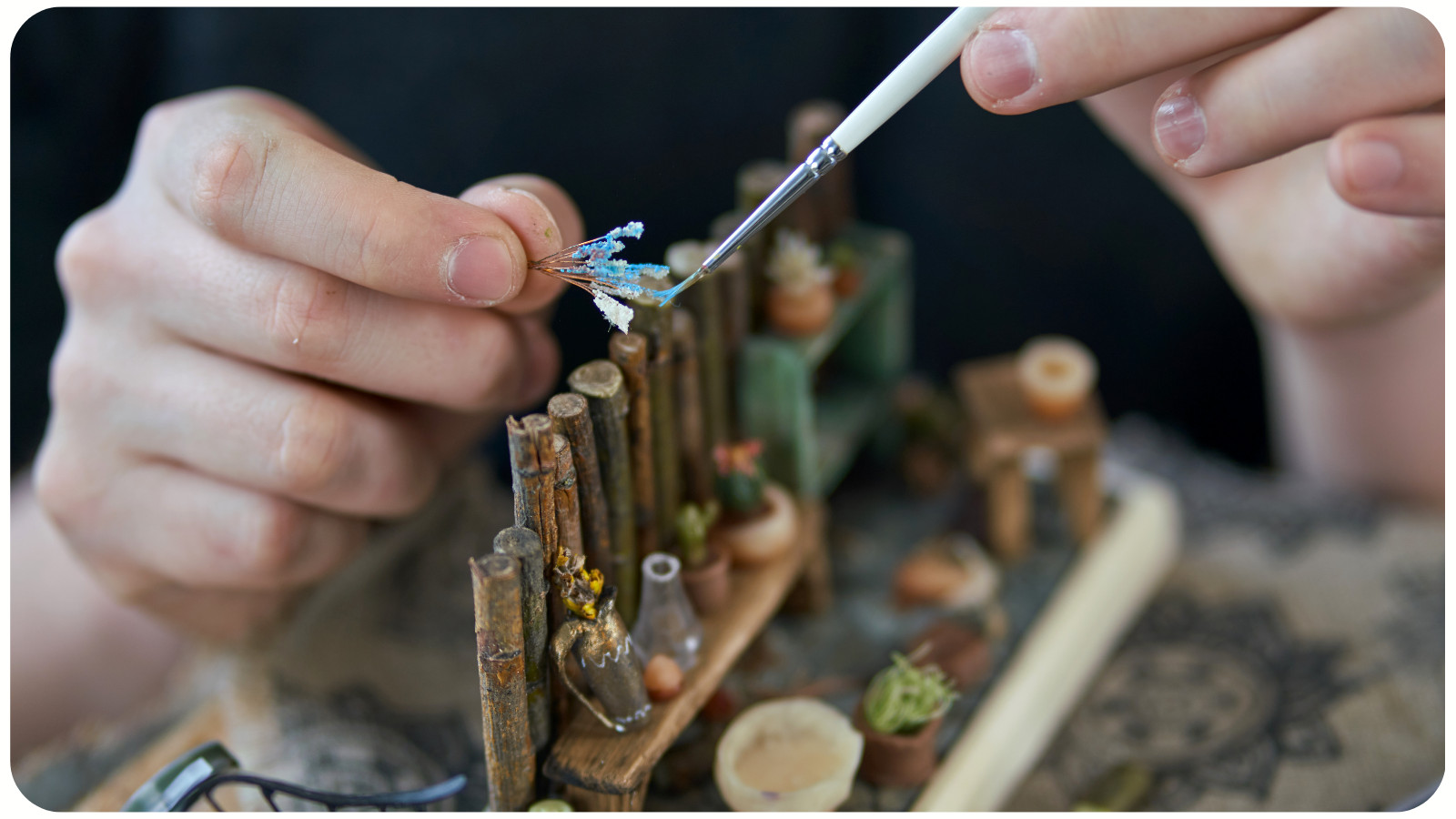
Creating miniatures requires patience and precision, but with the right approach, anyone can master this craft.
Step 1: Conceptualizing Your Miniature Project
- Choose a subject that interests you—whether it’s a tiny bakery, a bookshelf, or a sculpture.
- Gather reference images for inspiration.
- Decide on the scale (common scales are 1:12 or 1:24).
Step 2: Sketching and Planning Dimensions
- Sketch your miniature project with proper proportions.
- Measure and outline the dimensions before cutting materials.
- Decide on the materials you’ll need for each part of your miniature.
Step 3: Crafting Techniques and Assembly
- Sculpting: If using polymer clay, shape your miniature before baking.
- Cutting and Assembling: Use a precision knife to cut materials like wood or paper.
- Painting and Coloring: Apply thin layers of acrylic paint for realism.
- Gluing and Finishing: Use micro-adhesives to put tiny pieces together.
Step 4: Adding Final Details and Textures
- Use dry brushing and shading techniques to add depth.
- Apply matte or glossy varnish to enhance realism.
- Add extra details like fabric texture or wood grain effects.
By following these steps, you can bring your miniature creations to life. However, micro-crafting also comes with its own set of challenges.
THE CHALLENGES OF MICRO-CRAFTING AND HOW TO OVERCOME THEM
While micro-crafting is incredibly rewarding, it requires patience and skill to handle the challenges involved.
Dealing with Fragile Materials. Miniatures can be delicate, and handling them improperly can lead to breakage. Solution? Use tools like tweezers and always work on a stable surface.
Maintaining Precision and Steadiness. Hand tremors can ruin intricate details. Practicing slow, controlled movements and using a magnifying glass can help.
Managing Workspace and Storage. Tiny pieces can get lost easily. Use small containers to organize materials and invest in a well-lit workspace.
By overcoming these challenges, you’ll enjoy the process of micro-crafting even more.
MICRO-CRAFTING AS A HOBBY OR A BUSINESS

Micro-crafting isn’t just a fun hobby—it can also be turned into a profitable business.
Enjoying Micro-Crafting as a Relaxing Hobby
- Helps reduce stress and improve focus.
- Allows for creative expression in a detailed art form.
- A great way to unwind and challenge yourself.
Turning Your Passion into a Profitable Business
- Sell miniatures on platforms like Etsy, eBay, or Instagram.
- Offer custom miniature commissions.
- Create tutorial videos or online courses for beginners.
Many micro-crafters find joy in turning their passion into a side business. If you're considering this path, showcasing your miniatures effectively is key.
SHOWCASING AND DISPLAYING MINIATURE CREATIONS
Once you've crafted your miniatures, displaying them properly is crucial to appreciating their beauty.
Creative Ways to Display Miniatures
- Use glass domes or shadow boxes to protect and showcase your work.
- Arrange them in realistic dioramas for storytelling.
- Create themed collections, like a miniature bakery or a vintage-style room.
Photographing Tiny Crafts for Social Media
- Use macro photography for close-up shots.
- Adjust lighting to reduce shadows and enhance details.
- Use a clean, simple background to highlight your miniature.
Joining Miniature Art Communities
- Share your work on social media platforms like Instagram and Pinterest.
- Participate in miniature crafting contests or local art fairs.
- Connect with other miniaturists in online forums and groups.
By displaying your miniatures creatively, you’ll attract more appreciation for your work and even potential buyers.
TIPS FOR BEGINNERS IN MICRO-CRAFTING
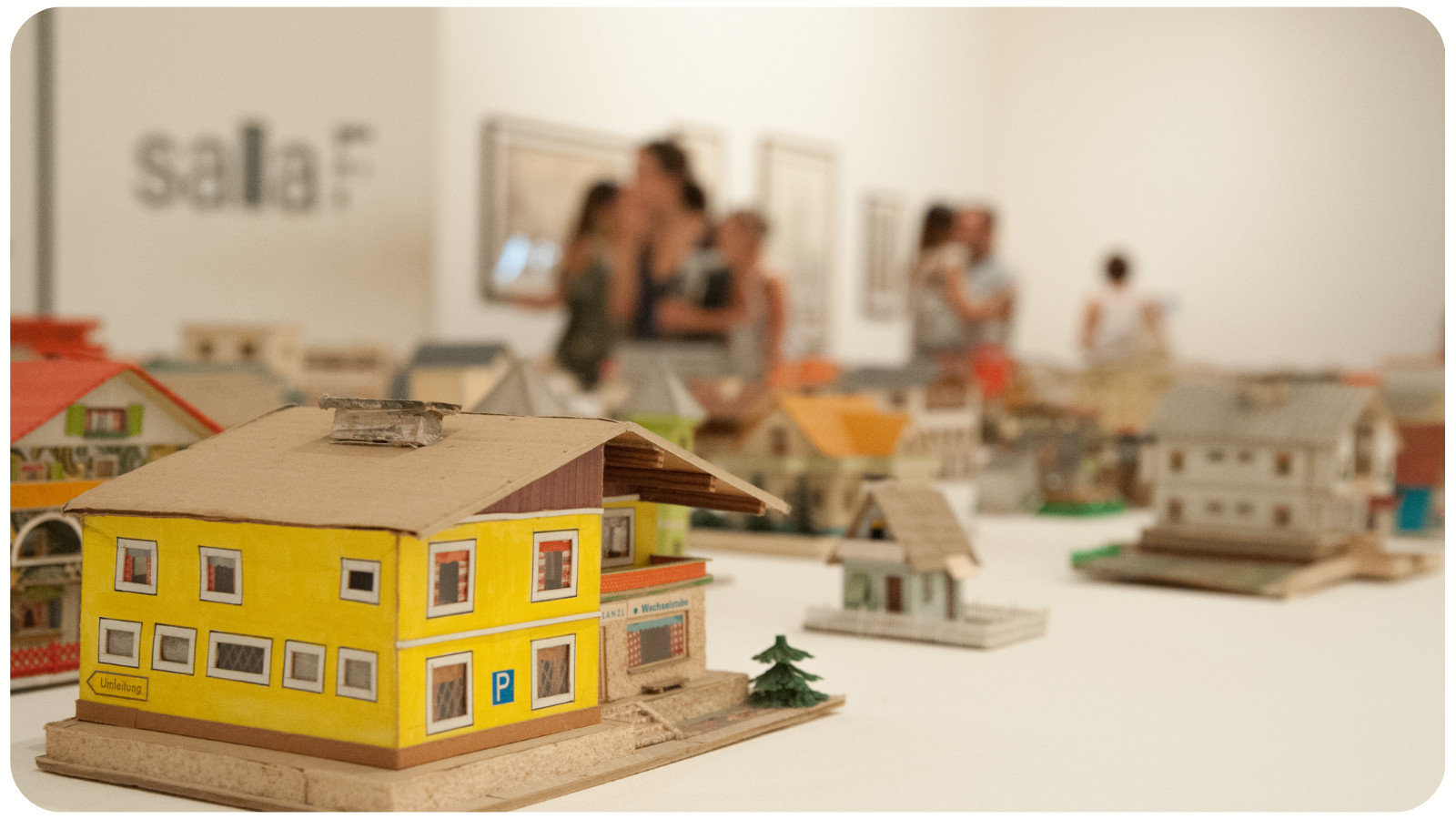
Starting your journey in micro-crafting can be overwhelming, but here are some tips to make the process smoother:
- Start with simple projects – Don't jump into complex designs right away.
- Practice patience – Mistakes happen, and it takes time to refine your skills.
- Use reference images – Studying real-life objects helps with realism.
- Invest in quality tools – Precision tools make a big difference in crafting tiny details.
- Learn from online tutorials – YouTube and crafting blogs are great resources for beginners.
With dedication and practice, anyone can become a skilled micro-crafter.
ADVANCED TECHNIQUES FOR EXPERIENCED CRAFTERS
For those looking to take their miniature skills to the next level, here are some advanced techniques:
- Micro-electronics – Adding tiny LED lights to dollhouses or models.
- 3D Printing – Creating precise miniature parts with a 3D printer.
- Laser Cutting – Using laser technology for ultra-fine detailing.
- Miniature Sculpting with Resin – Advanced sculpting techniques for hyper-realistic effects.
These techniques allow seasoned micro-crafters to push their creative boundaries even further.
THE THERAPEUTIC BENEFITS OF MICRO-CRAFTING
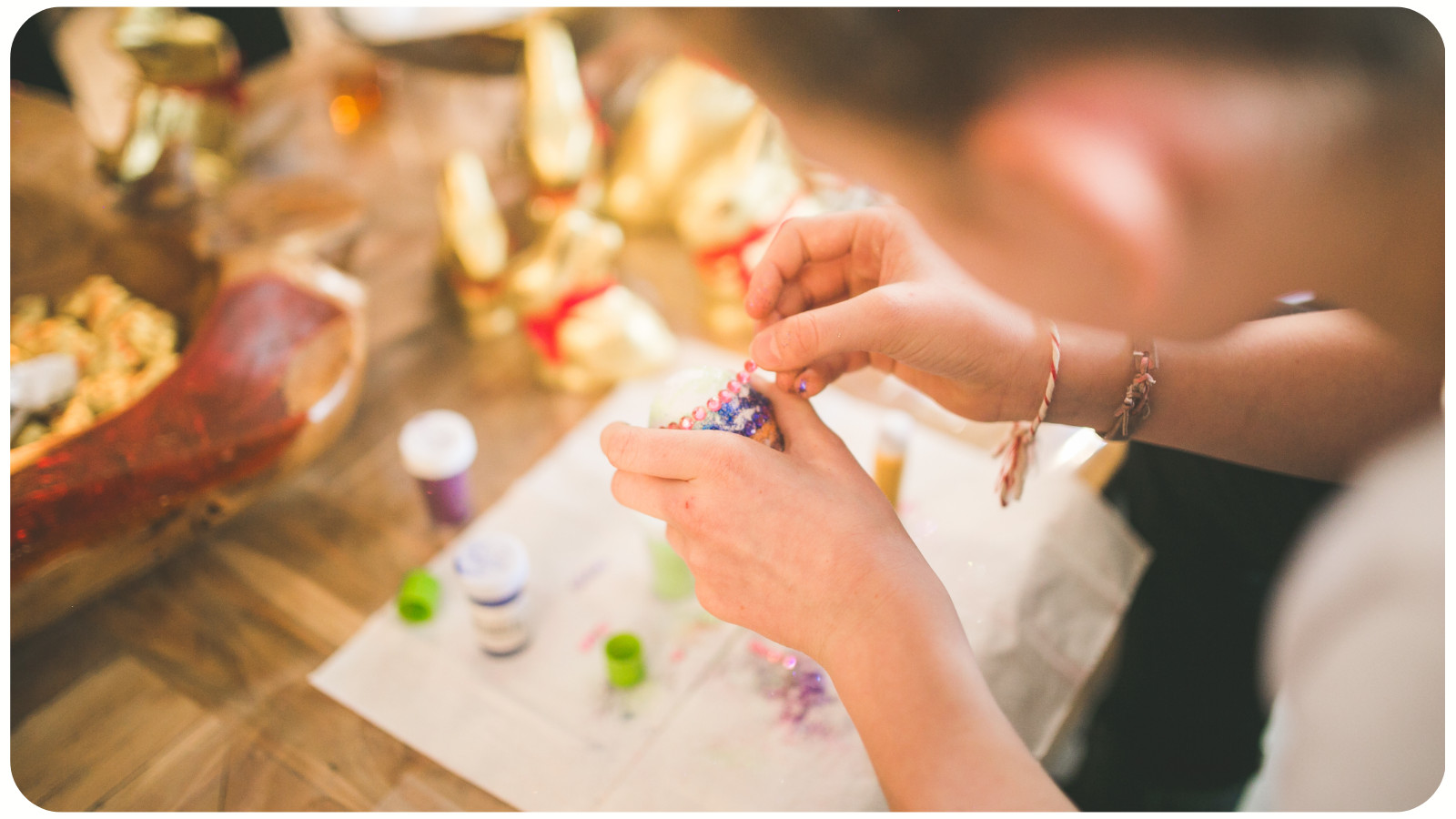
Many people turn to micro-crafting as a form of therapy because of its calming effects.
- Stress Relief – Focusing on small details can be meditative.
- Improves Concentration – Requires extreme focus, helping to enhance patience.
- Sense of Accomplishment – Seeing a finished tiny masterpiece is deeply satisfying.
With its mental health benefits, micro-crafting is more than just a hobby—it’s a form of artistic therapy.
FUTURE TRENDS IN MICRO-CRAFTING
As technology advances, micro-crafting is evolving in exciting ways.
- Digital Integration – AR/VR could enhance miniature design visualization.
- Eco-Friendly Materials – More artists are using sustainable materials.
- 3D-Printed Miniatures – Expanding creative possibilities with precise designs.
Micro-crafting is an ever-growing field, with innovations making it more accessible and creative than ever.
CONCLUSION
Micro-crafting is a beautiful art form that combines patience, creativity, and precision. Whether you're a beginner or an expert, crafting miniatures offers endless possibilities for artistic expression. So why not start today? Grab your tools, pick a project, and create your own tiny masterpiece!