You are in Wholesale Mode

MIX-AND-MATCH CRAFTER: WHY HYBRID PROJECTS ARE THE FUTURE OF DIY

As the DIY world evolves, so do the projects we create. Hybrid crafting - blending multiple creative techniques in a single project - is reshaping what it means to be a modern maker. This article explores why hybrid crafts are gaining traction, how to start your own, and what tools and trends are defining the future of DIY. Whether you’re a stitcher, a beader, a painter, or all three - this guide is your gateway to next-level creativity.
MIX-AND-MATCH CRAFTER: WHY HYBRID PROJECTS ARE THE FUTURE OF DIY

THE RISE OF THE HYBRID CRAFTER


In today’s fast-paced creative landscape, boundaries between traditional craft forms are dissolving. Hybrid crafting – mixing two or more techniques like embroidery and resin art or diamond painting with watercolors – is not just a trend; it’s a paradigm shift. Modern crafters crave innovation, personalization, and efficiency, and hybrid DIY projects offer just that.


Whether it’s blending macramé with beaded weaving or combining cross-stitch with digital printing, the appeal lies in the freedom to break rules and reimagine what’s possible. Social platforms like Instagram, Pinterest, and TikTok have accelerated this trend, with creators proudly sharing their unique mashups and inspiring others to try their hand at mixed-media crafting.


WHY HYBRID DIY PROJECTS ARE SO POPULAR


1. Creative Freedom and Personalization. 
One of the strongest drivers behind hybrid crafting is the ability to express your unique voice. Want to embroider over a printed canvas? Add a beaded border to your punch needle piece? With hybrid crafts, your imagination sets the limits. You’re no longer confined to a single medium or set of techniques.

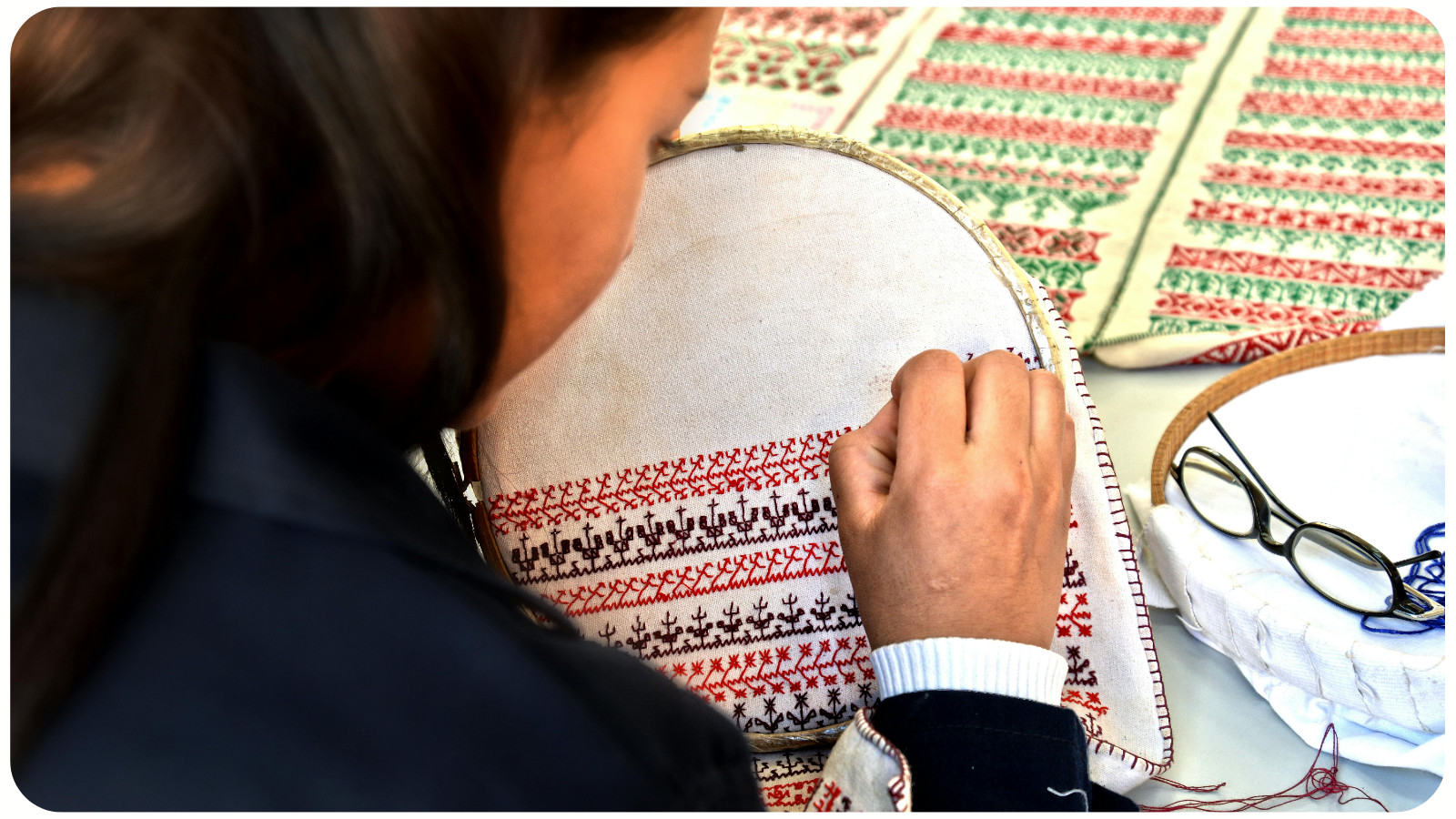
Example: Imagine printing a vintage botanical illustration on fabric, then hand-embroidering the flower petals and framing it in a hoop. You’ve just combined digital design, textile printing, and needlework into a one-of-a-kind art piece.

2. More Engaging and Rewarding. Hybrid crafts often engage multiple skill sets, which keeps the process stimulating and enjoyable. For crafters who find themselves bored with repetitive stitching or painting, switching between techniques mid-project can reignite enthusiasm and challenge the brain in new ways.

Tip: Try alternating between tactile and visual elements, like pairing textured clay embellishments with minimalist line embroidery on linen.

3. Better Use of Supplies and Tools. Another advantage of hybrid DIY is its practicality. Got leftover rhinestones, half-used skeins of embroidery floss, or an unused Cricut machine? Combining different projects lets you use what you already have and reduce waste.

Best Practice: Build a versatile craft supply stash with tools and materials that work across media, such as fabric glue, metallic threads, transfer paper, and multi-surface paints.


TRENDING HYBRID CRAFT IDEAS TO TRY


Let’s look at some real-world combinations that have taken the DIY world by storm:


1. Cross-Stitch + Fabric Painting. Paint your fabric background before adding a cross-stitch motif on top. This technique allows you to create stunning skies, watercolor-style gradients, or abstract backdrops that enhance the stitched design.


2. Diamond Painting + Decoupage. Apply decoupage paper to a wooden surface and then selectively embellish it with sparkling diamond drills. This adds contrast, dimension, and visual drama to your projects.

Best for: Framed wall art, boxes, or ornaments.


3. Embroidery + LED Lights (E-Textiles). Tech meets textile. Incorporating conductive thread and mini LEDs into embroidery allows your designs to light up – literally. Think glowing stars on a night-sky hoop or a constellation on your jacket sleeve.

Tools to Explore: Lilypad Arduino, Adafruit Flora, or basic e-textile starter kits.


4. Macramé + Weaving. Macra-weave wall hangings combine the structure of macramé knots with the softness of woven textures. They’re visually rich and satisfy both lovers of minimalism and maximalism.

Pro Tip: Mix fiber thickness and color for contrast. Use hand-dyed yarns, metallic threads, or even natural fibers like jute to diversify textures.


HOW TO START YOUR FIRST HYBRID CRAFT PROJECT


Getting into hybrid crafting is easier than you think. Here's a simple framework to help you begin:


Step 1: Identify Your Strengths. What techniques are you already comfortable with? Start with your core skills and build outward from there.

Step 2: Choose a Compatible Pairing. Some techniques naturally work well together. For example, embroidery and beadwork both rely on needle precision. Papercraft and vinyl cutting share design and transfer steps.

Tip: Use Pinterest boards or moodboards to visualize possible pairings.

Step 3: Sketch a Plan. Even the most experimental hybrid projects benefit from a loose roadmap. Sketch the design, note where you’ll switch mediums, and list the materials needed.

Step 4: Test and Experiment. Before committing to a large piece, test how your chosen techniques interact on a small swatch. For instance, test how acrylic paint behaves on cross-stitch fabric or whether your adhesive can hold rhinestones on wood.


INDUSTRY PERSPECTIVE: WHY BRANDS ARE LEANING INTO HYBRID DIY


Even major craft brands are embracing the hybrid movement:


- DMC has released embroidery patterns that encourage painting before stitching.
- Cricut promotes vinyl cutting for fabric applications, merging digital tools with traditional quilting.
- Etsy is seeing a surge in “mixed media kits,” offering supplies for multiple techniques in one product.

These trends indicate that hybrid crafting isn’t a passing fad – it’s a consumer-driven shift with real commercial momentum.


COMMON CHALLENGES (AND HOW TO OVERCOME THEM)


1. Material Compatibility. 
Certain materials just don’t mix well. For instance, applying hot glue on delicate threads can damage them.

Solution: Always read labels and do a patch test. Use craft forums or subreddits like r/DIY or r/CrossStitch for troubleshooting tips.


2. Skill Gaps. You may be strong in one craft but a total beginner in another.

Solution: Online tutorials, YouTube creators, and digital courses like those on Skillshare or Domestika can help you build the skills you need to combine crafts effectively.


3. Time Management. Hybrid projects can be more time-consuming.

Solution: Break projects into phases – design, base layer, embellishment – to make progress feel manageable and satisfying.


FINAL THOUGHTS: CRAFTING WITHOUT LIMITS

Hybrid DIY projects are more than just aesthetic experiments – they represent a new philosophy in crafting. One that values imagination over rules, expression over perfection, and play over predictability.

Whether you're a seasoned crafter looking to push boundaries or a beginner eager to explore, mixing media opens the door to infinite creativity. Hybrid crafting isn't the future – it’s the now.

So go ahead. Stitch your paint. Glue your gems. Light up your embroidery. The future of DIY is wonderfully unpredictable – and it’s in your hands.