You are in Wholesale Mode

THE ART OF MIXED MEDIA: COMBINING PAINT, FABRIC, AND FOUND OBJECTS FOR UNIQUE CREATIONS

Mixed media art is an exciting and dynamic form of artistic expression that blends different materials, techniques, and textures to create unique works of art. Unlike traditional painting or sculpture, mixed media allows artists to break boundaries and experiment with diverse elements such as paint, fabric, and found objects. This approach not only enhances creativity but also adds depth and meaning to the artwork.

THE ART OF MIXED MEDIA: COMBINING PAINT, FABRIC, AND FOUND OBJECTS FOR UNIQUE CREATIONS

WHAT IS MIXED MEDIA ART?


Definition and Meaning. 
Mixed media art refers to a form of visual art that combines multiple materials and techniques within a single composition. This could include a mixture of painting, collage, textiles, sculpture, and even digital elements.

Historical Background and Evolution. The roots of mixed media can be traced back to early civilizations that combined different materials for artistic and decorative purposes. However, it gained significant recognition in the 20th century with the rise of modern and contemporary art movements.

Pioneering artists such as Pablo Picasso and Kurt Schwitters integrated unconventional materials into their work, laying the foundation for today's mixed media artists.


Various Types of Mixed Media Art

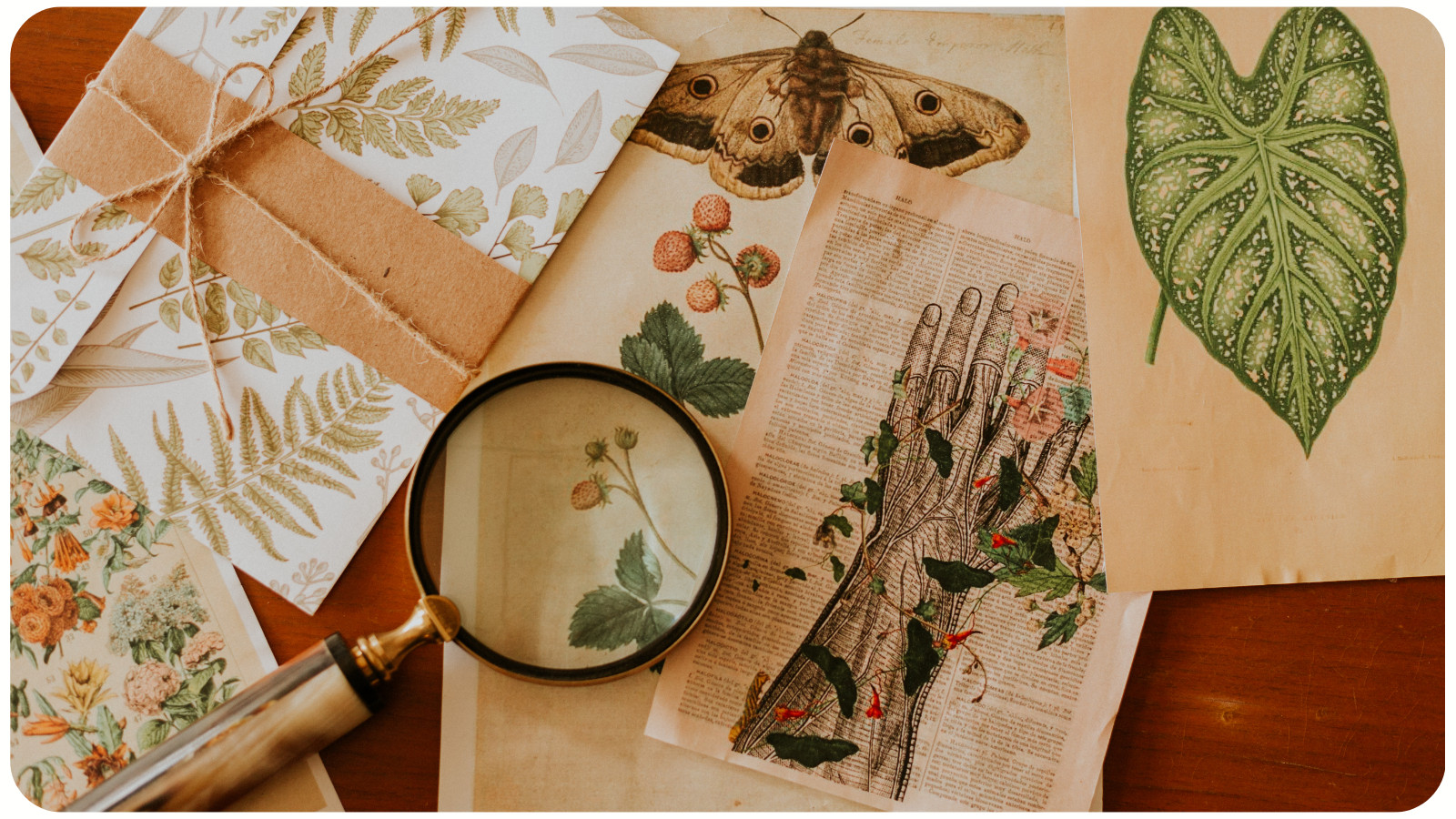
- Collage Art – Combining cut-out images, paper, and other materials
- Assemblage Art – Using three-dimensional objects to create sculptures
- Textile Art – Incorporating fabrics and stitching techniques
- Altered Books – Transforming old books into artistic expressions
- Digital Mixed Media – Blending traditional and digital elements

ESSENTIAL MATERIALS FOR MIXED MEDIA ART


To create mixed media artwork, you need a variety of materials. Here are some of the key elements:

1. Paints:

- Acrylics – Versatile and quick-drying, ideal for layering
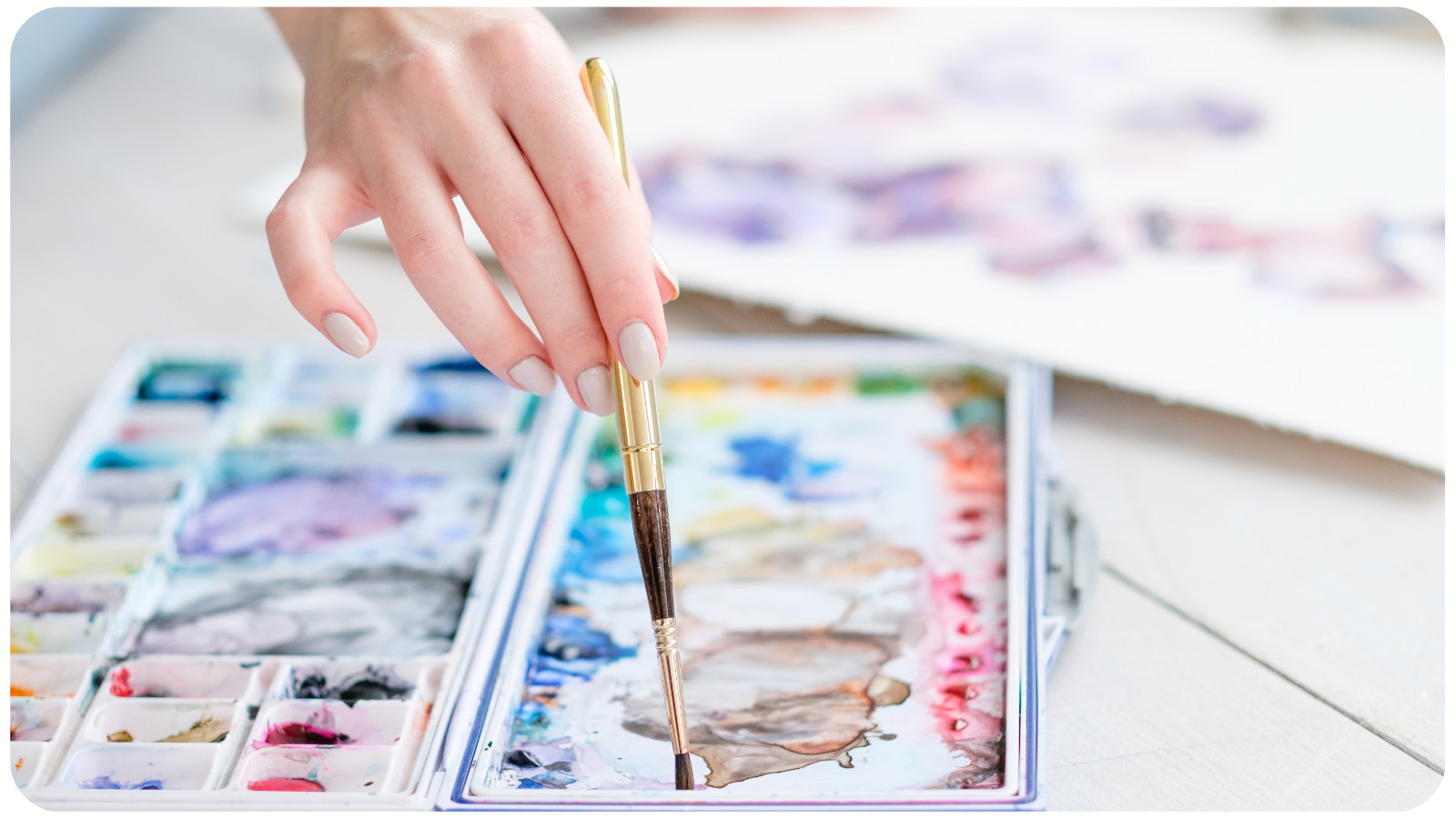
- Watercolors – Great for subtle, transparent effects
- Oil Paints – Rich and vibrant, but require longer drying times

2. Fabrics

- Cotton and Linen – Easy to manipulate and absorb paint well
- Silk and Satin – Adds a luxurious feel to the artwork
- Burlap and Lace – Great for creating texture and contrast

3. Found Objects

- Vintage Items – Old keys, watch parts, buttons
- Everyday Objects – Newspaper clippings, tickets, old photographs
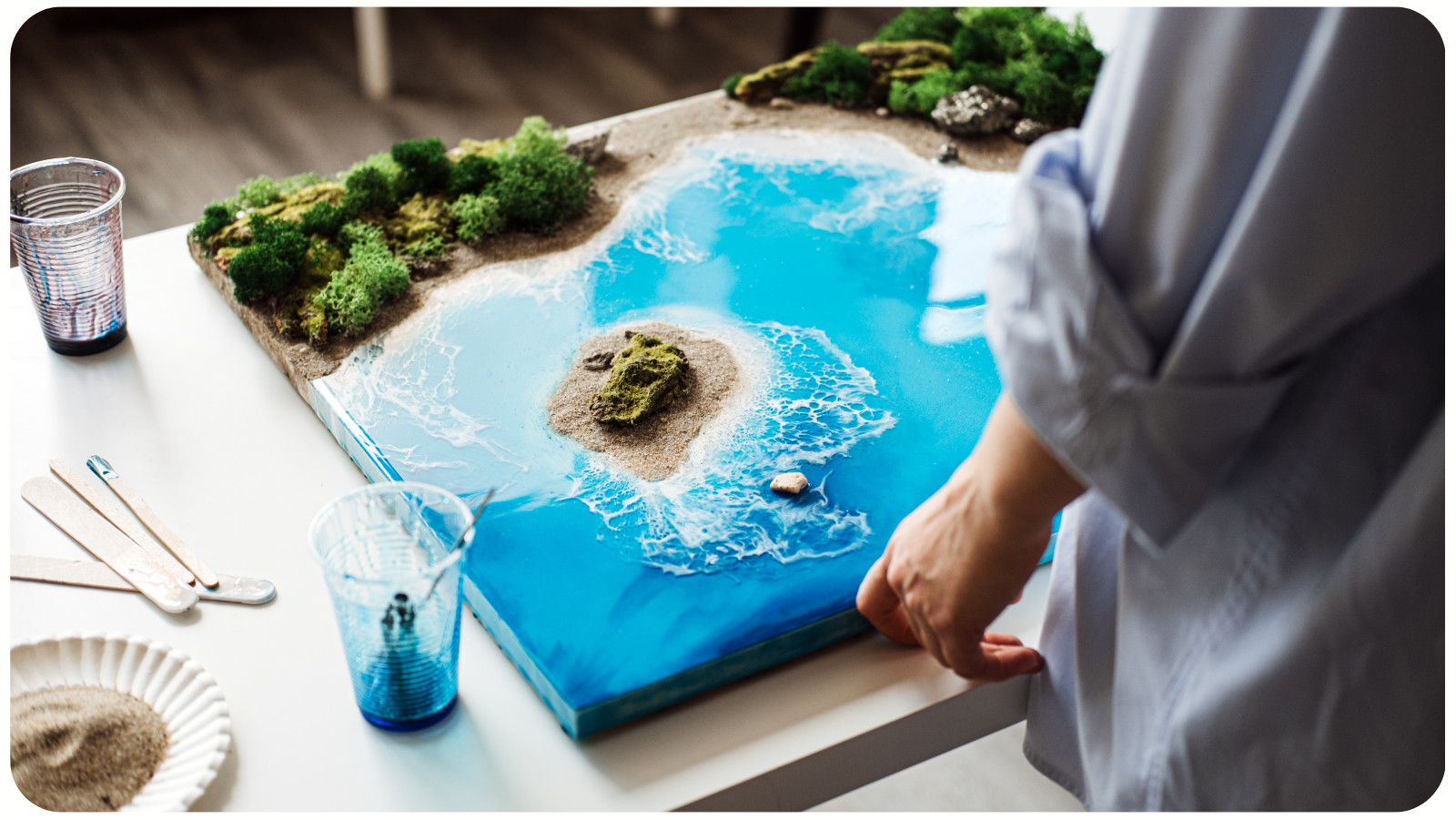
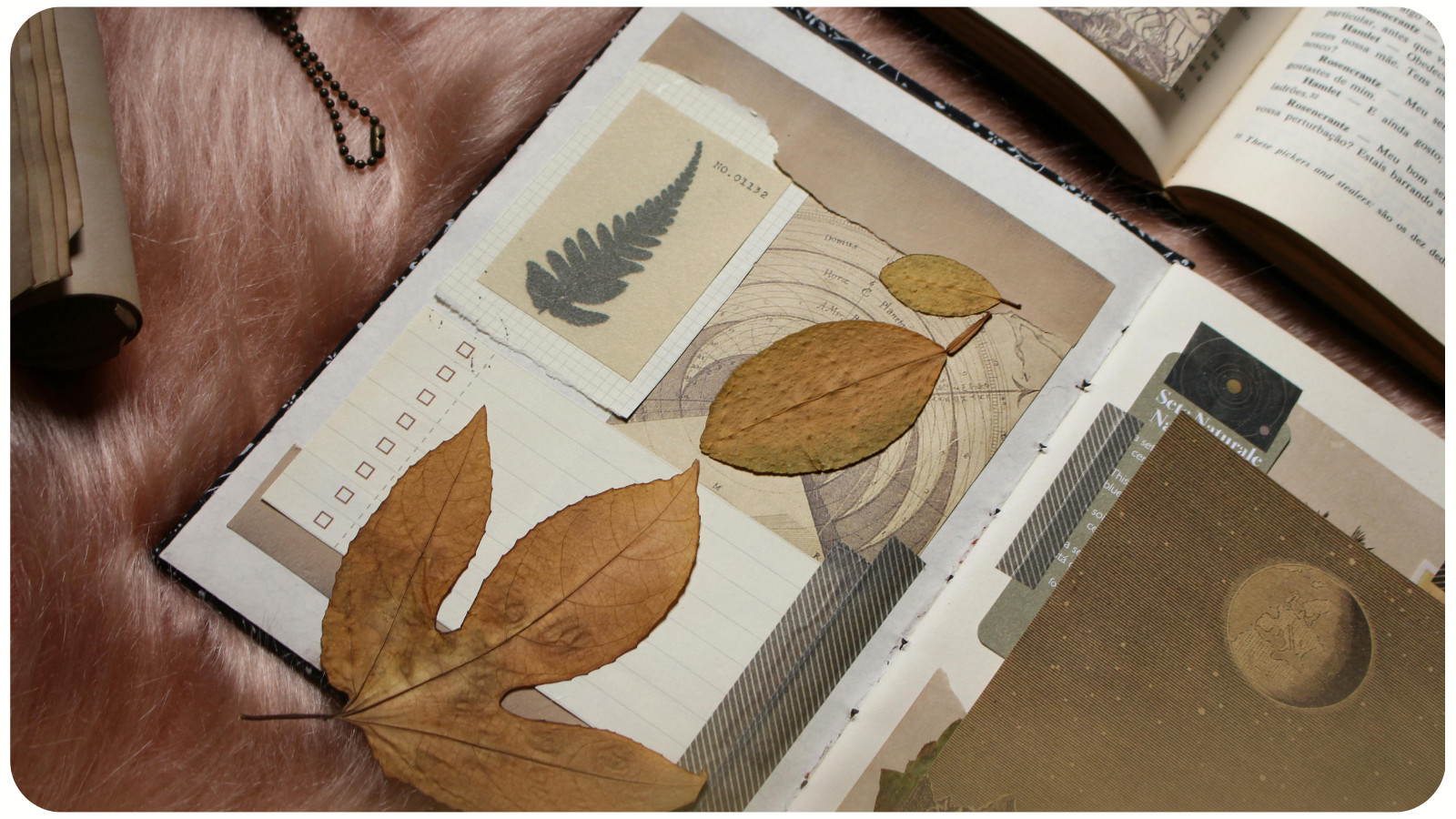
- Natural Elements – Leaves, twigs, feathers, dried flowers

4. Adhesives and Tools

- Gel Mediums and Mod Podge – Ideal for gluing different materials
- Glue Guns and Fabric Glue – Essential for textiles and heavier objects
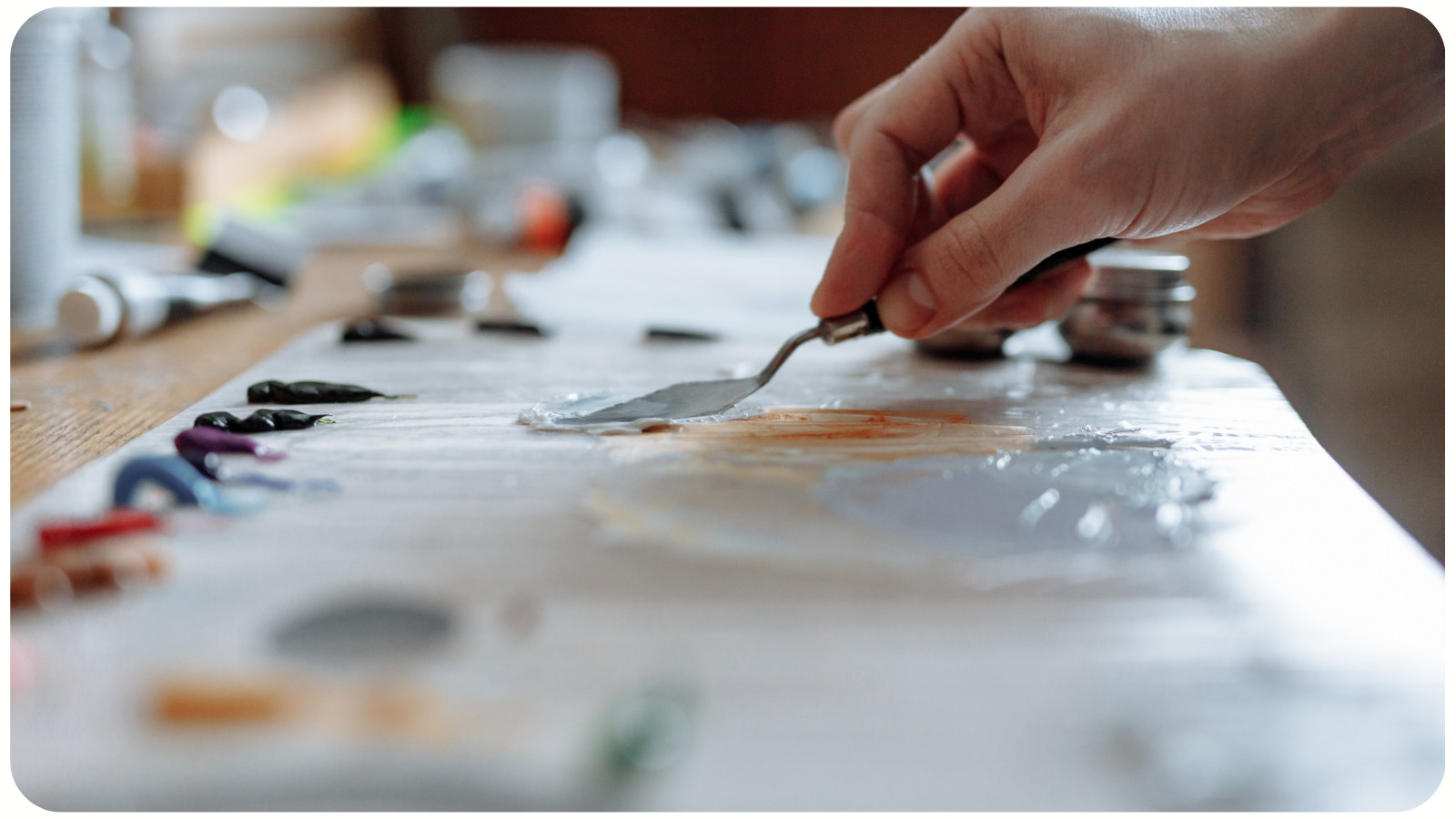
- Palette Knives and Brushes – For applying and spreading materials

TECHNIQUES FOR COMBINING PAINT, FABRIC, AND FOUND OBJECTS


Layering and Texture Creation. 
Layering is a fundamental technique in mixed media that involves building up different materials to create depth. Using thick paint applications, fabrics, and textured paper can make a piece more visually dynamic.

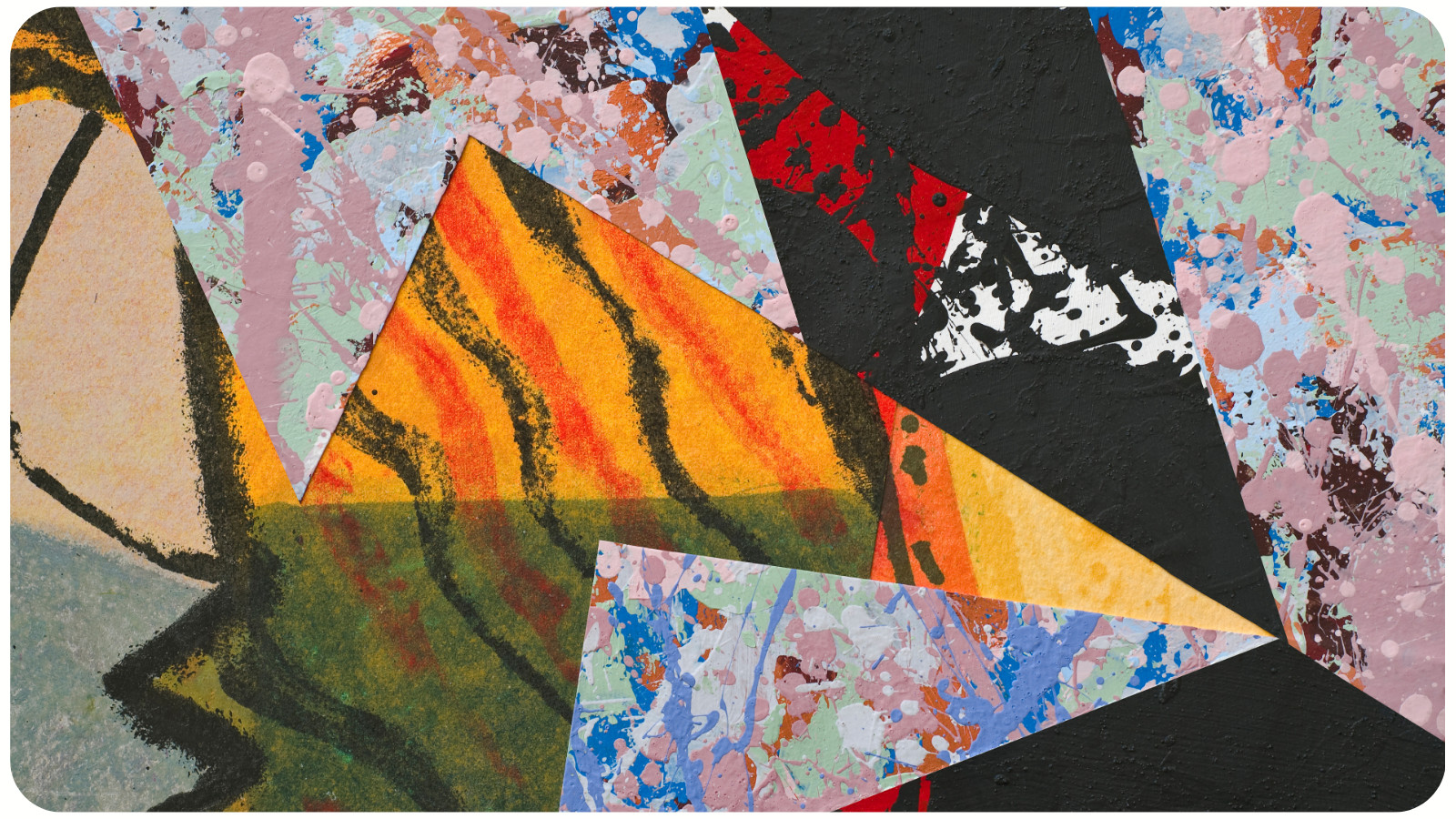
Collage Techniques. Collaging involves arranging and gluing various elements such as paper cut-outs, photographs, and textiles onto a surface. This technique allows for storytelling and conceptual exploration.

Stitching and Sewing in Art. Using stitches or embroidery within a mixed media piece can add intricate details and texture. This can be done by hand or using a sewing machine to attach fabric layers.

Incorporating Found Objects for Depth and Meaning. Found objects bring a sense of history and uniqueness to the artwork. By strategically placing items like vintage keys, metal gears, or pressed flowers, artists can create symbolic or narrative-driven compositions.

STEP-BY-STEP GUIDE TO CREATING A MIXED MEDIA ARTWORK


1. Choose a Theme and Concept
– Decide on a subject or idea that inspires you.

2. Prepare the Base – Select a surface such as canvas, wood, or paper.
3. Add Paint – Start with an underpainting to establish color and mood.
4. Incorporate Fabric – Attach textiles using glue or stitches.
5. Use Found Objects – Arrange and adhere objects that enhance the composition.
6. Seal the Artwork – Protect your piece with a finishing medium like varnish.

THE ROLE OF MIXED MEDIA IN MODERN ART


Mixed media has evolved from an experimental practice into a highly respected artistic genre. It plays a significant role in contemporary art movements and influences how artists express ideas.


1. Bridging Traditional and Digital Art. Many artists now incorporate digital elements into their mixed media creations, blending photography, digital painting, and physical textures to create hybrid works.

2. Sustainability and Eco-Art. Mixed media embraces the concept of upcycling, where discarded materials and found objects are given new life in artwork. This movement aligns with sustainable art practices, reducing waste while fostering creativity.

3. Street Art and Urban Mixed Media. Urban artists frequently integrate graffiti, collage, and sculptural elements into public art installations. By mixing materials, they create immersive experiences that challenge traditional art forms.

4. Mixed Media in Fashion and Design. From fabric-infused paintings to wearable art, mixed media is making an impact in fashion and textile design. Designers often use unconventional materials like metal, plastics, and organic elements in their creations.

HOW TO SELL AND SHOWCASE YOUR MIXED MEDIA ART


If you’re an artist looking to turn your passion into profit, here are some strategies for selling and displaying your mixed media artwork:


1. Online Marketplaces. Platforms like Etsy, Saatchi Art, and Society6 provide a great way to reach buyers globally. You can sell original pieces or create prints and merchandise featuring your art.

2. Creating an Online Portfolio. A personal website or Instagram page can serve as a digital gallery where potential buyers and collectors can view your work. High-quality photos and process videos help engage audiences.

3. Participating in Art Fairs and Exhibitions. Art fairs, gallery exhibitions, and pop-up events offer opportunities to showcase your work in person. Consider entering competitions or applying for artist residencies to expand your network.

4. Licensing and Collaborations. Collaborating with brands, designers, or interior decorators can open doors for commercial opportunities. Licensing your art for products like wallpapers, textiles, or stationery can generate passive income.

TIPS FOR BEGINNERS IN MIXED MEDIA ART


Starting with mixed media can feel overwhelming, but with the right approach, you can develop a unique style.


1. Start Small and Experiment. Begin with simple projects like creating collages or textured paintings before moving on to complex compositions. Experiment with different materials to find what works best for you.

2. Avoid Overcrowding Your Artwork. While mixed media encourages layering, adding too many elements can create visual clutter. Focus on balance and composition to ensure a cohesive piece.

3. Learn the Properties of Your Materials. Understanding how different paints, adhesives, and textures interact will help you create durable and visually appealing artwork.

4. Document Your Process. Keeping a sketchbook or digital journal of your experiments will allow you to track progress and refine your techniques.

5. Be Patient and Have Fun. Mixed media is all about exploration. Don’t rush the process—enjoy the journey of discovering new creative possibilities.

CONCLUSION

Mixed media art is an incredible way to express creativity by combining paint, fabric, and found objects into meaningful and unique compositions. Whether you're just starting or looking to refine your craft, this art form offers endless possibilities for experimentation.

By learning techniques, exploring materials, and studying the work of influential artists, you can develop a personal style that sets your artwork apart.


If you're ready to dive into mixed media, start small, experiment with different textures, and let your imagination guide you. With practice and persistence, you'll soon create pieces that captivate and inspire.