You are in Wholesale Mode

THE ART OF SLOW CRAFTING: MEDITATIVE HANDMADE PROJECTS FOR RELAXATION

In a world where everything moves at lightning speed, slow crafting offers a much-needed escape—a return to simple, mindful creation. It’s not about productivity or perfection but about the process itself. Engaging in slow crafting allows you to immerse yourself in creativity, quiet the mind, and find joy in handmade artistry.
THE ART OF SLOW CRAFTING: MEDITATIVE HANDMADE PROJECTS FOR RELAXATION

WHAT IS SLOW CRAFTING?


Slow crafting is more than just making things—it's an intentional, mindful approach to creativity. It aligns with the slow living movement, which encourages people to embrace a more thoughtful and unhurried lifestyle.


Unlike mass production or rushed DIY projects, slow crafting is about savoring each step of the creative process. Whether it’s knitting, embroidery, or woodworking, the goal is to engage deeply with your craft, enjoying the experience rather than focusing on the final product.

Some key principles of slow crafting include:

- Mindful creation – Paying attention to every detail and movement
- Quality over quantity – Using sustainable, high-quality materials
- Connection to tradition – Honoring time-tested techniques and heritage crafts
- Stress-free creativity – Crafting for relaxation, not pressure

Slow crafting invites you to embrace imperfection, celebrate slowness, and find peace in the act of making.


THE MENTAL HEALTH BENEFITS OF SLOW CRAFTING

Crafting has long been known to have therapeutic effects, but slow crafting, in particular, enhances mindfulness and relaxation. The repetitive, rhythmic nature of many crafts—like knitting or carving—mirrors meditation, helping to calm the mind.

How Crafting Reduces Stress and Anxiety. Studies show that engaging in creative activities can lower cortisol (the stress hormone) and boost serotonin levels. Many people find that crafting provides a break from daily worries, offering a sense of flow similar to yoga or meditation.

The Meditative Qualities of Repetitive Handwork. When you focus on each stitch, brushstroke, or carve, your mind enters a meditative state. This focus helps reduce anxious thoughts and brings a deep sense of calm.

Scientific Studies on Creativity and Relaxation. Research has linked crafting with improved mental health, showing that activities like knitting can lower blood pressure and even reduce symptoms of depression. In essence, slow crafting is a form of active meditation that nurtures both the mind and soul.


CHOOSING THE RIGHT CRAFT FOR RELAXATION


Not all crafts are equally relaxing. Some require intense focus, while others encourage free-flowing creativity. The key is finding what resonates with you.


How to Find a Craft That Suits Your Personality

- If you enjoy repetitive, rhythmic motions: Try knitting, crocheting, or weaving
- If you like detailed, delicate work: Consider embroidery, calligraphy, or botanical illustrations
- If you prefer working with your hands: Explore woodworking, clay sculpting, or felting

The Importance of Enjoyment Over Perfection. Forget about perfection! The beauty of slow crafting lies in the imperfections—it’s about the journey, not just the outcome.

Low-Pressure Projects for Beginners. If you’re new to slow crafting, start with simple projects:

- A basic knitted scarf
- Hand-sewn fabric coasters
- A small watercolor painting

By starting with easy, enjoyable projects, you’ll build confidence and develop a love for slow crafting.


ESSENTIAL SUPPLIES FOR SLOW CRAFTING

Having the right materials enhances your crafting experience, making it more enjoyable and relaxing.

Choosing High-Quality, Sustainable Materials. Slow crafting emphasizes sustainability, so opt for materials that are eco-friendly and long-lasting. For example:

- Organic cotton or wool for knitting
- Recycled paper for journaling
- Non-toxic, plant-based dyes for fabric projects

Creating a Comfortable Crafting Space. Your environment plays a huge role in your crafting experience. Set up a quiet, clutter-free space with natural lighting, comfortable seating, and soothing background music.

Mindful Shopping and Avoiding Consumerism in Crafting. It’s tempting to buy more supplies than you need, but slow crafting encourages intentionality. Instead of hoarding materials, focus on what truly brings joy and purpose to your crafting.


MEDITATIVE CRAFTING TECHNIQUES


Certain crafts lend themselves beautifully to relaxation due to their repetitive, rhythmic nature.


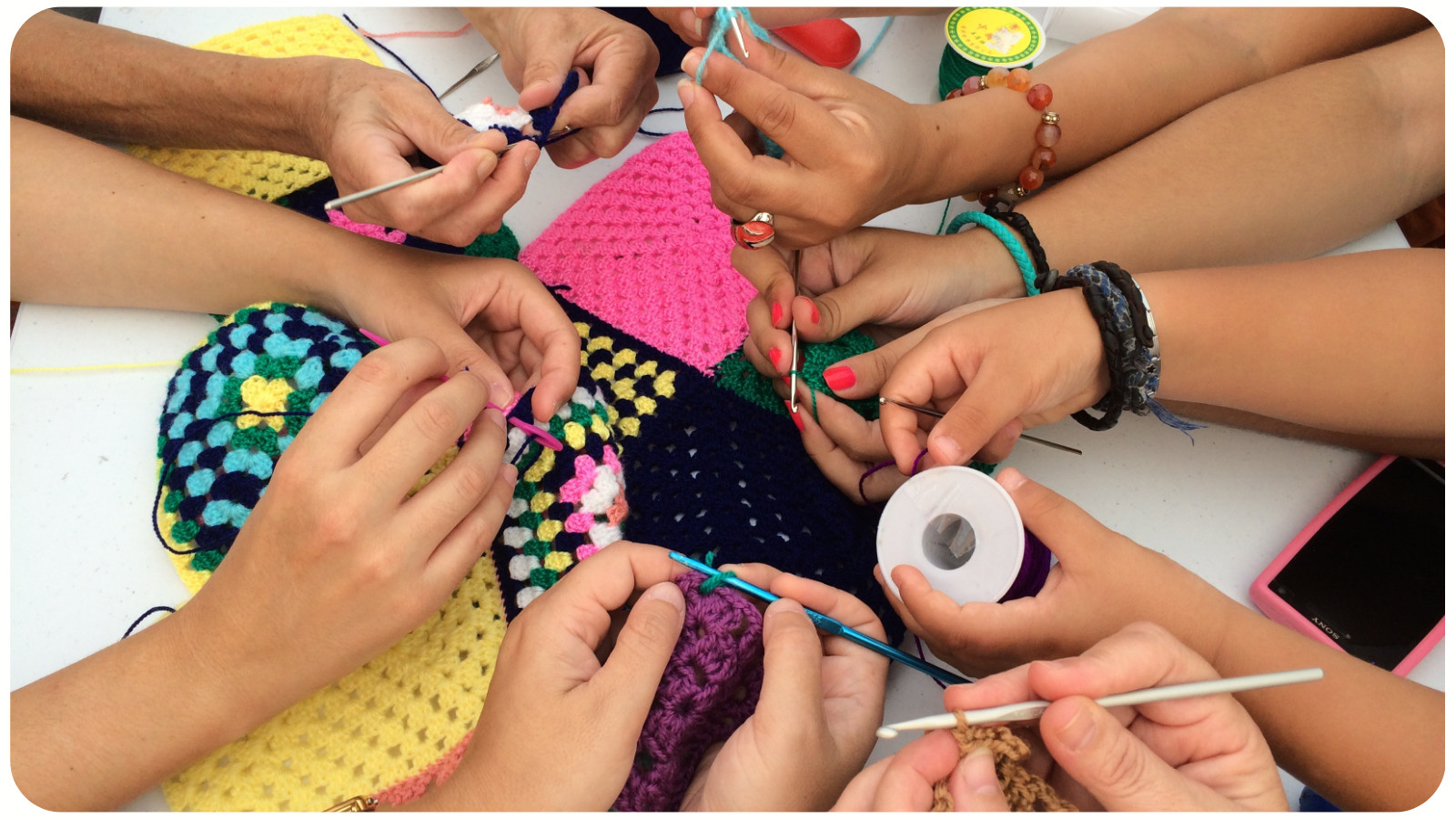
Knitting and Crochet for Rhythmic Relaxation. Knitting and crochet have a built-in rhythm that naturally calms the mind. The repetitive loops and stitches create a meditative effect, making them ideal for stress relief.

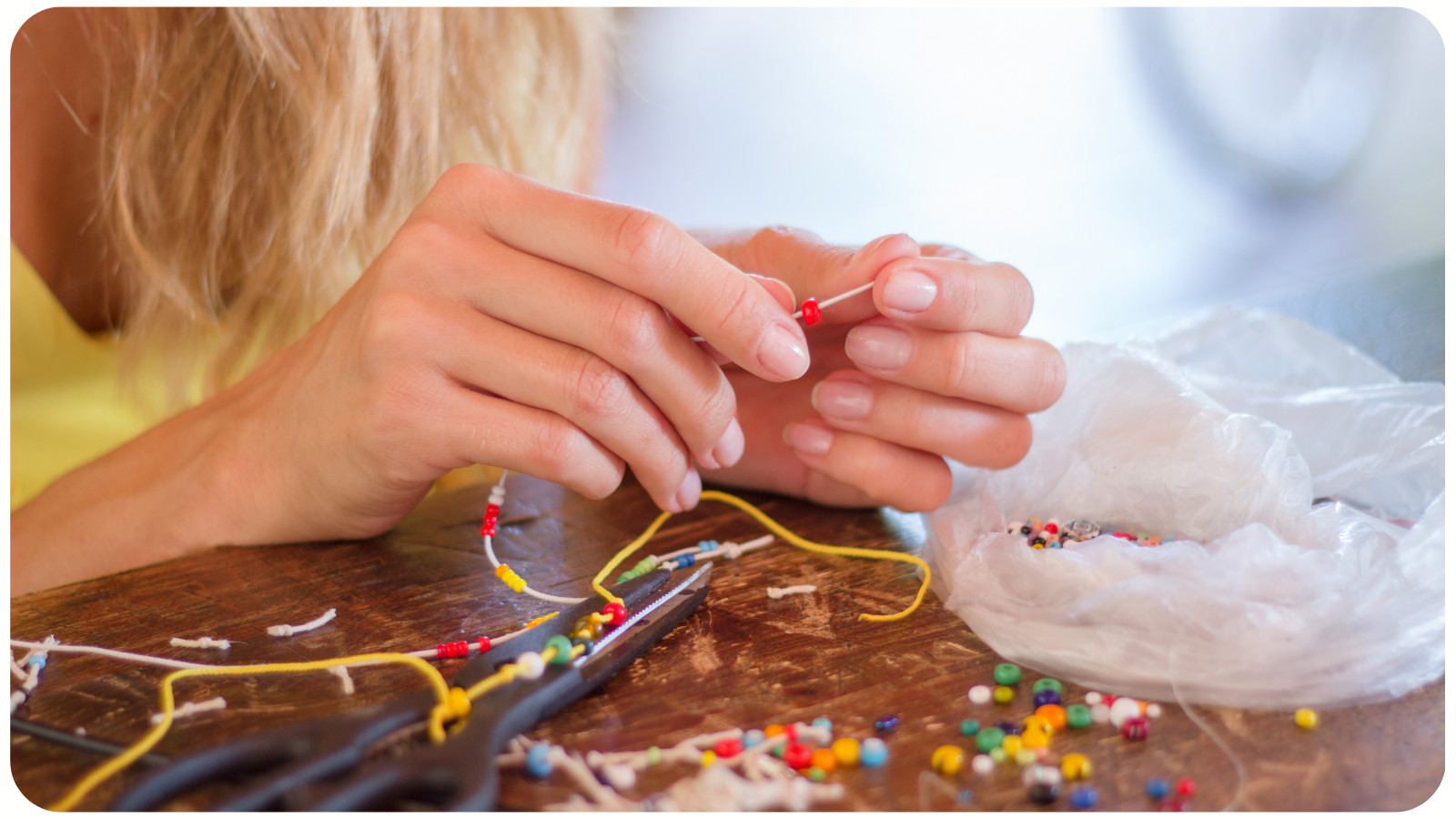
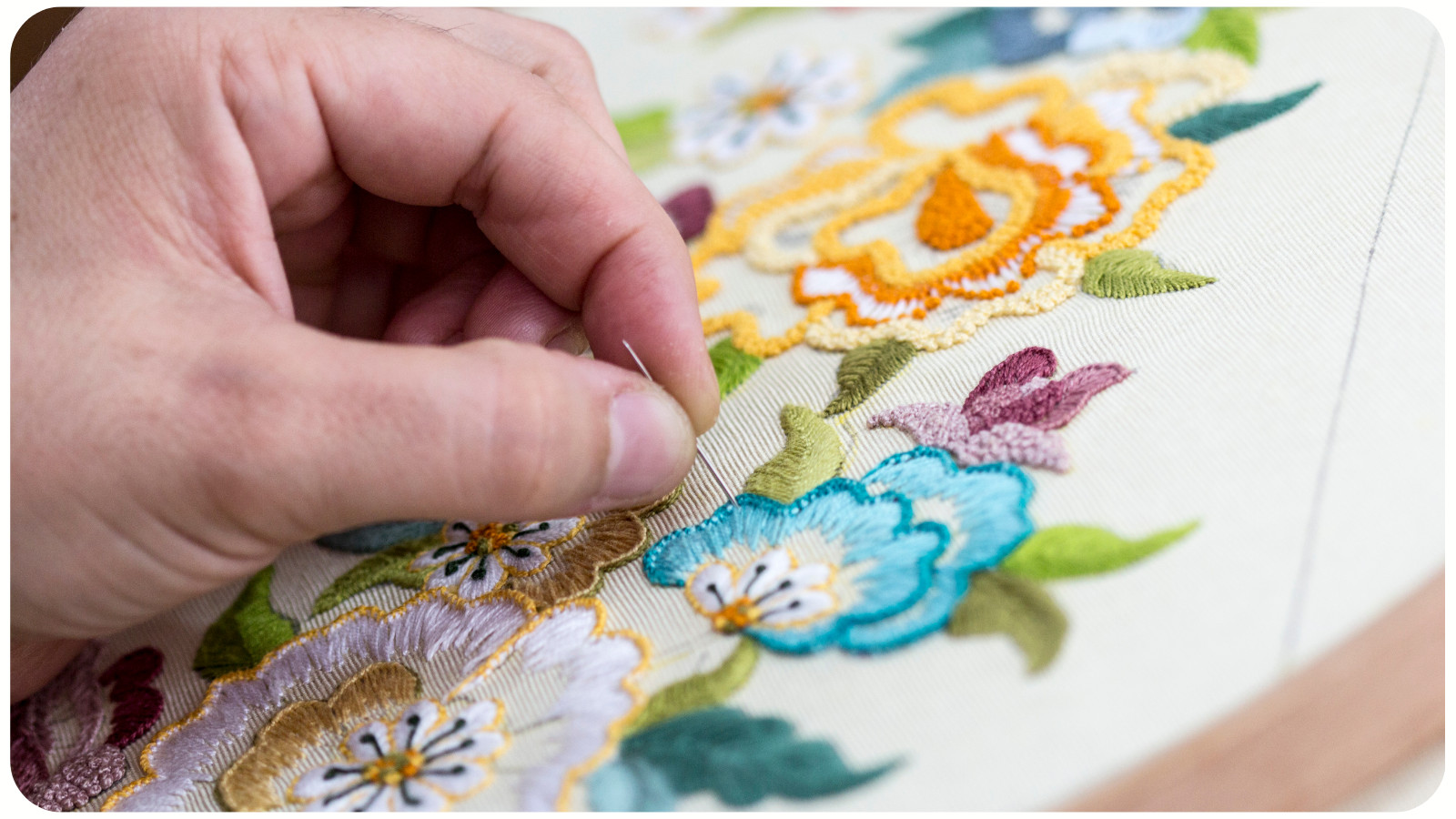
Embroidery and Hand-Stitching as a Mindful Practice. Hand embroidery requires focus and patience, helping you stay present in the moment. The slow process of stitching allows you to engage deeply with each movement.

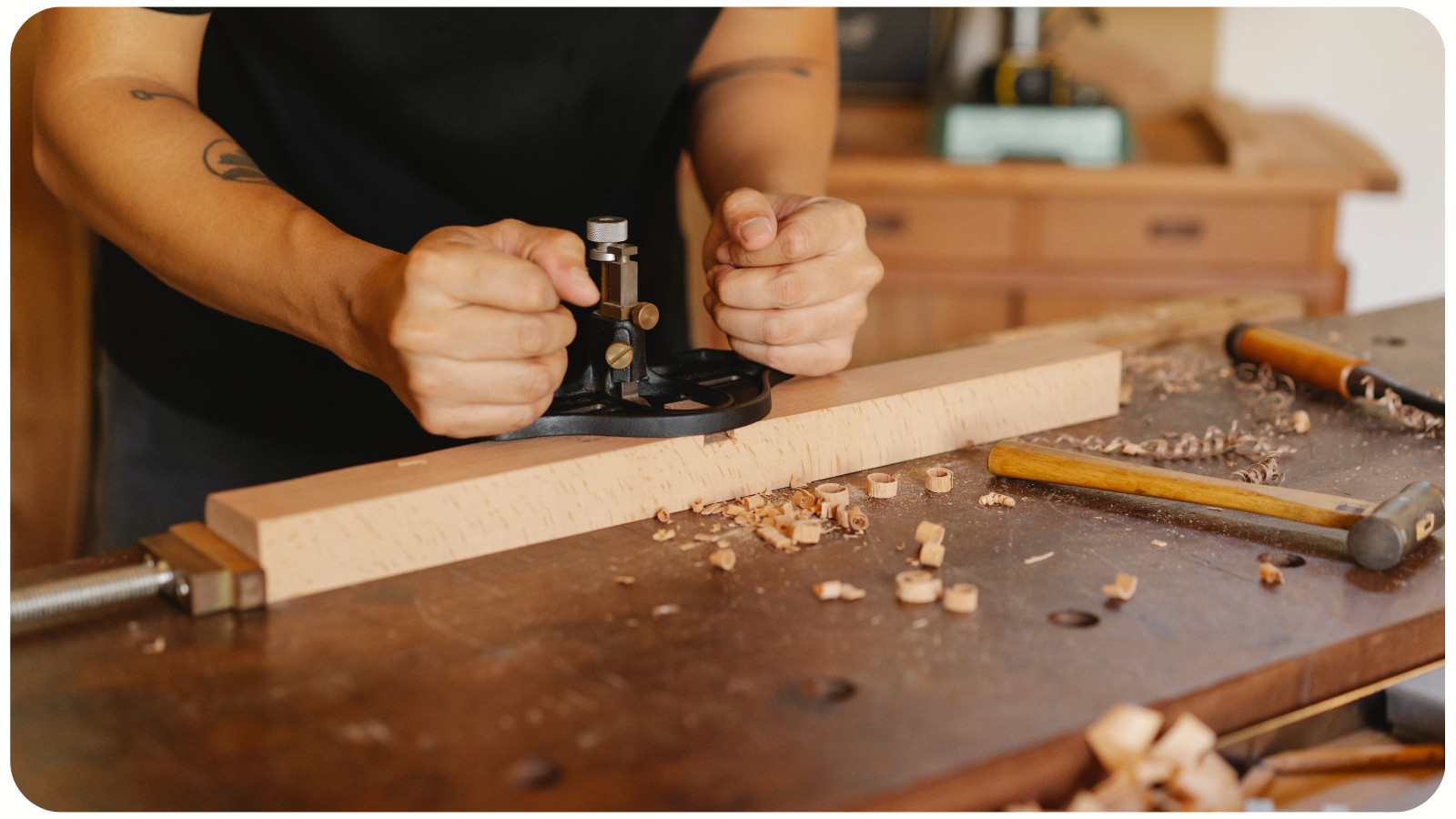
Slow Woodworking and Whittling for a Tactile Experience. Carving wood by hand is a deeply satisfying and grounding experience. The tactile nature of woodworking—feeling the grain, shaping the material—connects you to nature and the physical world.


SLOW CRAFTING AND MINDFULNESS: HOW TO STAY PRESENT

Mindfulness is the practice of being fully present in the moment, and slow crafting is a wonderful way to cultivate this skill. By focusing on the process rather than the outcome, you can turn crafting into a meditative experience.

The Importance of Focusing on the Process, Not the Outcome. Many people approach crafting with a results-driven mindset, but slow crafting is different. Instead of rushing to complete a project, embrace the journey. Feel the textures, notice the colors, and enjoy each step.

Breathing Techniques While Crafting. Pairing slow, deep breaths with your crafting can enhance relaxation. Try inhaling deeply as you begin a new stitch or stroke, then exhaling as you complete it. This creates a rhythm that calms the mind.

Practicing Gratitude Through Handmade Projects. Crafting mindfully allows you to appreciate the materials, the process, and even the small mistakes. Keep a gratitude journal where you jot down what you love about each project—it’s a great way to stay present and positive.


CRAFTING AS A FORM OF SELF-CARE


Self-care isn’t just about spa days or meditation—it’s also about doing things that bring joy and peace. Slow crafting is a perfect self-care activity because it encourages mindfulness, creativity, and relaxation.


Turning Crafting into a Self-Care Ritual. Make crafting part of your self-care routine by setting aside dedicated time for it. Light a candle, put on calming music, and let yourself unwind.

How Handmade Projects Boost Self-Esteem and Confidence. Creating something with your hands gives a deep sense of accomplishment. Even small projects can boost your confidence and remind you of your creative potential.

Setting Aside Time for Creativity in a Busy Schedule. We often say we’re too busy for hobbies, but even 10-15 minutes of crafting a day can have a positive impact. Try crafting in the morning as a mindful start to your day or in the evening to unwind.


SOCIAL BENEFITS OF SLOW CRAFTING

While crafting is often seen as a solo activity, it can also be a beautiful way to connect with others.

Crafting Circles and Communities. Joining a knitting group, embroidery club, or online crafting forum can provide support, inspiration, and friendship.

The Joy of Sharing Handmade Gifts. There’s something special about gifting a handmade item. It carries personal meaning and effort, making it more valuable than anything store-bought.

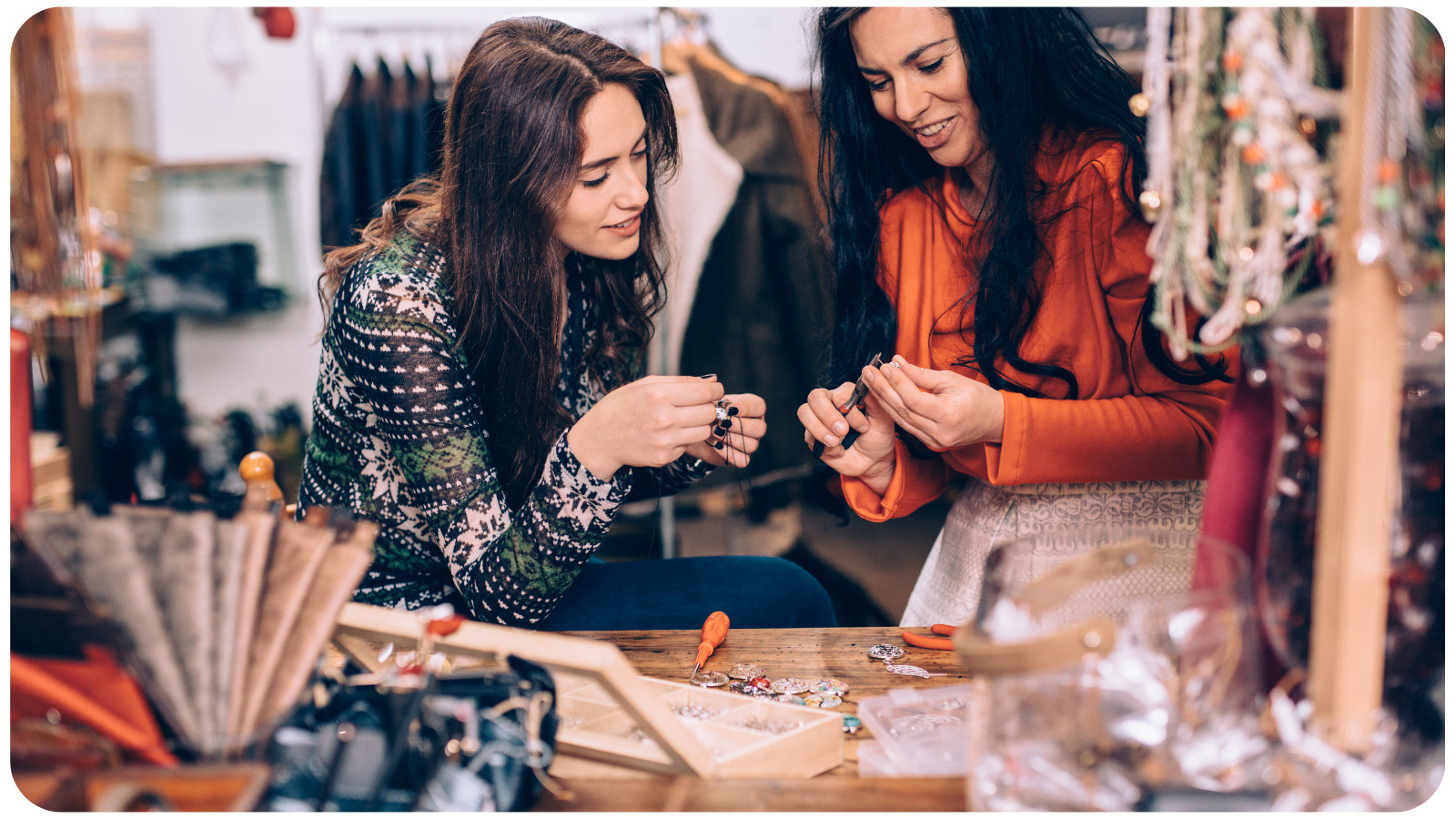
How Slow Crafting Strengthens Relationships. Crafting together—whether with family, friends, or a partner—creates lasting memories and strengthens bonds. It’s a great way to spend quality time without distractions.


SUSTAINABLE AND ECO-FRIENDLY CRAFTING


Slow crafting aligns perfectly with sustainable living. Instead of mass-produced items, it encourages mindful consumption and eco-friendly choices.


Choosing Natural, Biodegradable Materials. Opt for materials like organic cotton, bamboo yarn, or naturally dyed fabrics. These choices are not only better for the environment but also feel great to work with.

Upcycling and Repurposing Materials. Instead of buying new supplies, consider repurposing old clothes, fabric scraps, or even household items. For example, old T-shirts can be turned into yarn, and glass jars can become candle holders.

The Environmental Impact of Fast vs. Slow Crafting. Fast crafting (similar to fast fashion) leads to waste and overconsumption. Slow crafting, on the other hand, values quality over quantity, reducing environmental harm.


HOW TO INCORPORATE SLOW CRAFTING INTO YOUR DAILY LIFE

If you want to make slow crafting a regular habit, start small and be intentional.

Creating a Mindful Crafting Routine. Set aside time each week or day for crafting, even if it’s just a few minutes. Having a routine helps you stay consistent.

Setting Small, Manageable Goals. Instead of overwhelming yourself with large projects, start with smaller, more achievable ones. This keeps crafting stress-free and enjoyable.

Finding Inspiration in Nature and Everyday Life. Nature is a great source of creative inspiration. Observe patterns in leaves, colors in the sky, or textures in tree bark—these elements can influence your crafting.


SLOW CRAFTING FOR DIFFERENT SEASONS


Each season offers unique opportunities for crafting.


Cozy Winter Crafts

- Knitting scarves, sweaters, and blankets
- Candle making for warmth and ambiance
- Quilting with soft, comforting fabrics

Springtime Crafts

- Natural dyeing with flowers and plants
- Flower pressing for botanical art
- Watercolor painting inspired by blooming gardens

Summer Crafts

- Weaving with natural fibers like raffia or cotton
- Macramé for wall hangings or plant holders
- Hand-sewn summer dresses or tote bags

Autumn Crafts

- Wood carving or whittling
- Needle felting to create autumn-themed decorations
- Botanical illustrations of fall leaves and mushrooms


JOURNALING AND REFLECTING ON YOUR CRAFTING JOURNEY

Keeping a journal about your crafting experiences deepens your connection to your projects.

Keeping a Crafting Journal to Track Progress. Document each project, including what worked well, what you learned, and how you felt during the process.

Writing About Emotions and Experiences Tied to Crafting. Use your journal as a space for self-reflection. How did crafting make you feel today? What emotions surfaced while creating?

How Documenting Your Process Enhances Mindfulness. Writing about your crafting experiences helps you become more aware of your growth, struggles, and the joy of the process.


THE THERAPEUTIC POWER OF HANDMADE GIFTS


Handmade gifts hold sentimental value and can be deeply therapeutic for both the maker and recipient.


Why Handmade Gifts Carry Deeper Meaning. A handmade item represents time, effort, and thoughtfulness—things that money can’t buy.

Ideas for Simple, Heartfelt DIY Presents

- Hand-stitched bookmarks
- Homemade candles with essential oils
- Knitted or crocheted scarves

The Joy of Giving and Its Impact on Well-Being. Studies show that giving boosts happiness. Creating something for a loved one adds an extra layer of joy to both crafting and gifting.


OVERCOMING CREATIVE BLOCKS IN SLOW CRAFTING

Even the most passionate crafters experience creative slumps. Here’s how to overcome them.

Dealing with Frustration and Impatience. Remember that slow crafting is about the process, not speed. If you’re feeling frustrated, take a break and return with fresh eyes.

Letting Go of Perfectionism. Mistakes are part of the journey! Instead of seeing them as failures, embrace them as learning experiences.

Finding Inspiration Through Nature, Art, and Daily Life. Visit a museum, take a walk, or try a new technique—sometimes, fresh inspiration comes from unexpected places.


FINAL THOUGHTS: EMBRACING IMPERFECTION AND THE BEAUTY OF THE PROCESS

Slow crafting is a reminder that life isn’t about rushing—it’s about savoring each moment. By embracing imperfection, focusing on mindfulness, and finding joy in the process, crafting becomes more than just a hobby—it becomes a way of life.

Whether you’re knitting a scarf, carving wood, or painting with watercolors, remember to slow down, breathe, and enjoy the act of creating.