


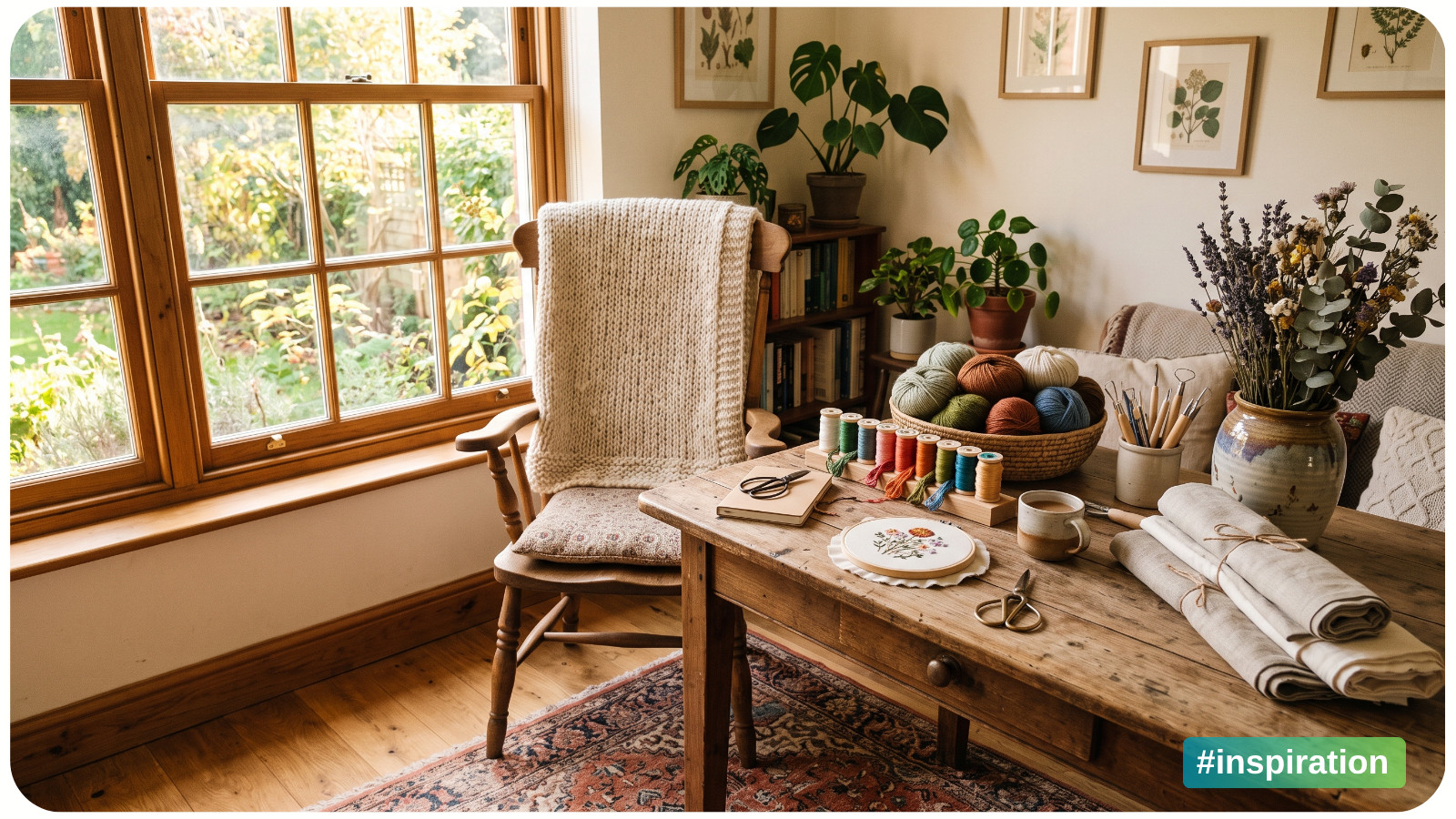
There is a special kind of quiet that appears when your hands are busy.
You may be threading a needle, shaping a piece of clay, arranging flowers, sanding wood, or folding paper. For a little while, the noise of the day moves into the background. You are no longer thinking about every unfinished task or replaying an uncomfortable conversation. You are simply choosing the next color, making the next stitch, or smoothing the next edge.
This is one reason crafting can feel like more than a hobby.
Making something by hand gives the mind a place to rest while still keeping it gently engaged. It offers movement without rushing, purpose without pressure, and progress that you can see and touch.
Research increasingly connects creative activities with parts of emotional well-being, including happiness, life satisfaction, and a sense that life is worthwhile. The effects are not magical, and crafting is not a replacement for professional mental health care. Still, it can be a meaningful way to support yourself in everyday life.
Here are some of the psychological reasons crafting feels so good.
1. CRAFTING GIVES YOUR MIND ONE CLEAR THING TO DO
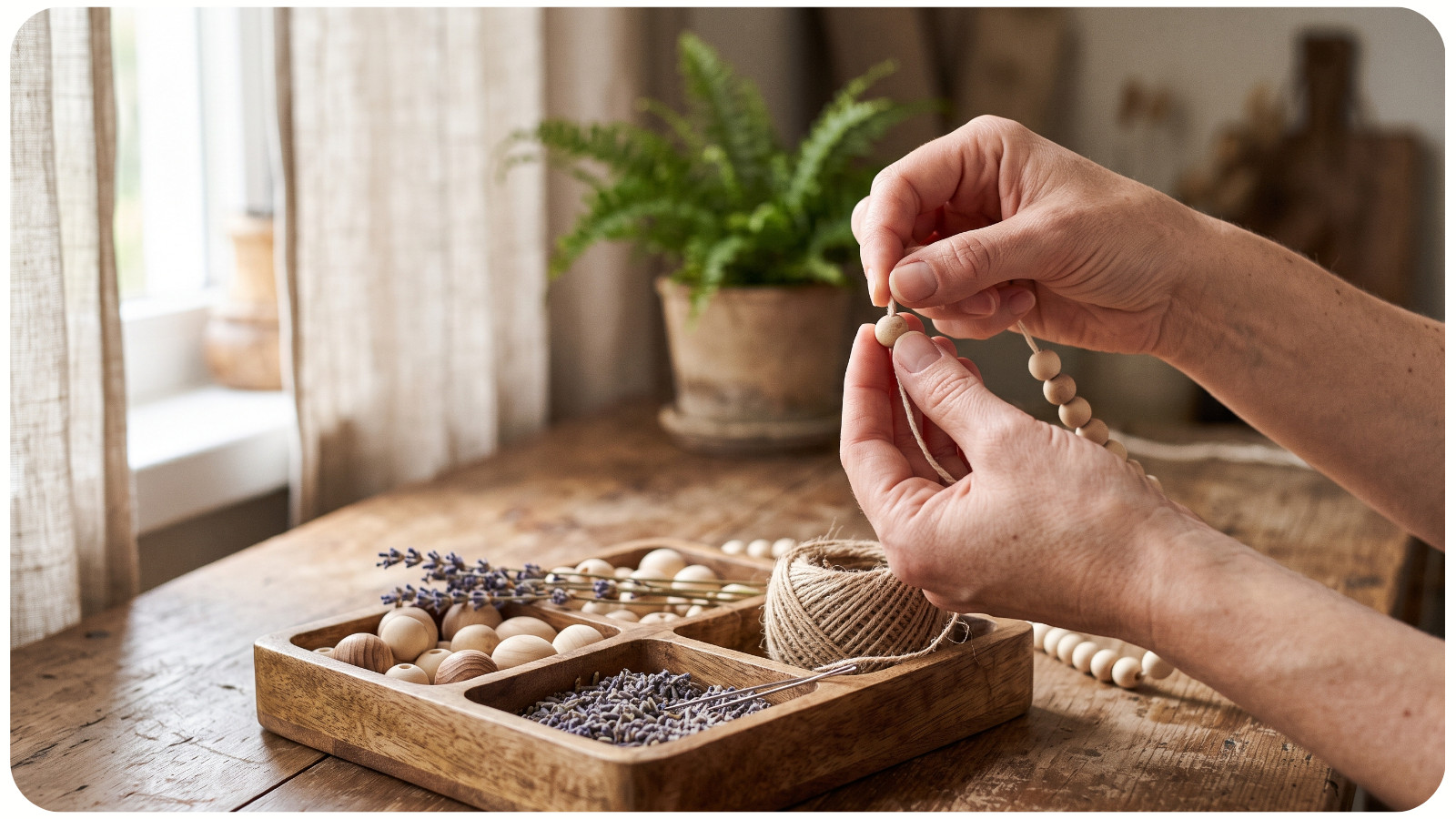
Modern life asks us to hold many thoughts at once. We answer messages while making dinner. We think about tomorrow while finishing today’s work. Even when we sit down to rest, our minds may continue jumping from one concern to another.
Crafting is different. It gives your attention a smaller, clearer space. You look for the right bead. You count stitches. You guide a paintbrush along an edge. You decide where one piece should fit beside another.
These simple choices bring you back to what is directly in front of you. This does not mean every troubling thought disappears. It means those thoughts are no longer the only things asking for your attention. Your mind has something steady and manageable to return to.
That gentle focus can feel like finally setting down a heavy bag you did not realize you were carrying.
2. WORKING WITH YOUR HANDS CAN CREATE A PAUSE FROM WORRY
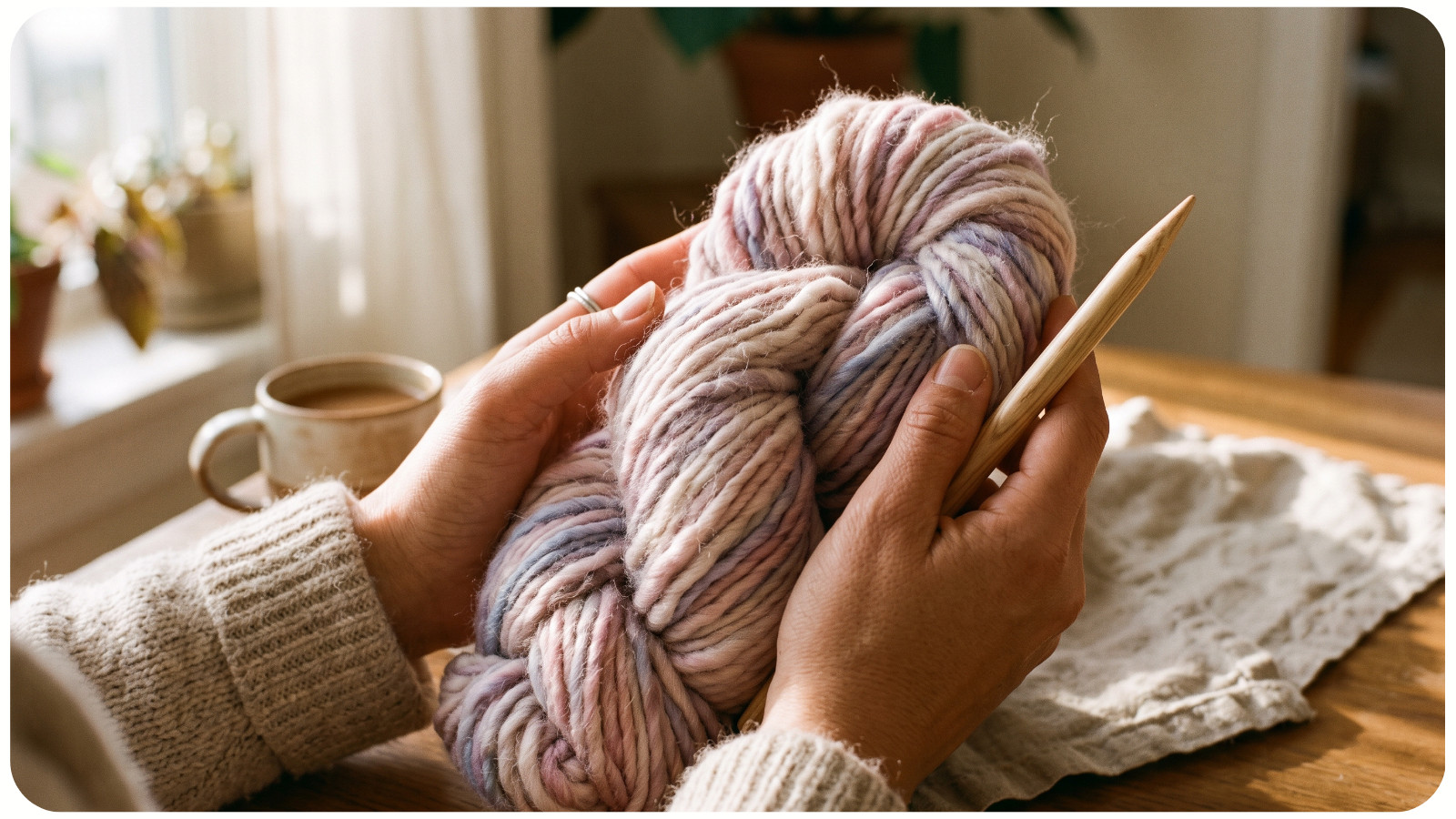
Worry often pulls us into the future. We imagine what might go wrong, what we may have forgotten, or what we should do next. Crafting brings us closer to the present because the materials require our attention now.
The yarn is in your hands now. The paint is wet now. The clay needs to be shaped now.
This present-moment attention has something in common with mindfulness. You are noticing colors, textures, movements, and small changes instead of staying completely caught inside your thoughts.
A large study of 7,182 adults found that participation in creative arts and crafting was associated with greater happiness, life satisfaction, and a stronger sense that life was worthwhile. However, the study did not find that crafting independently predicted lower anxiety or loneliness. That distinction matters: crafting may support well-being, but it should not be presented as a cure for emotional distress.
Sometimes the most honest benefit is also the simplest: crafting gives your worries a little less room for a while.
3. REPETITIVE MOVEMENTS CAN FEEL STEADY AND SOOTHING
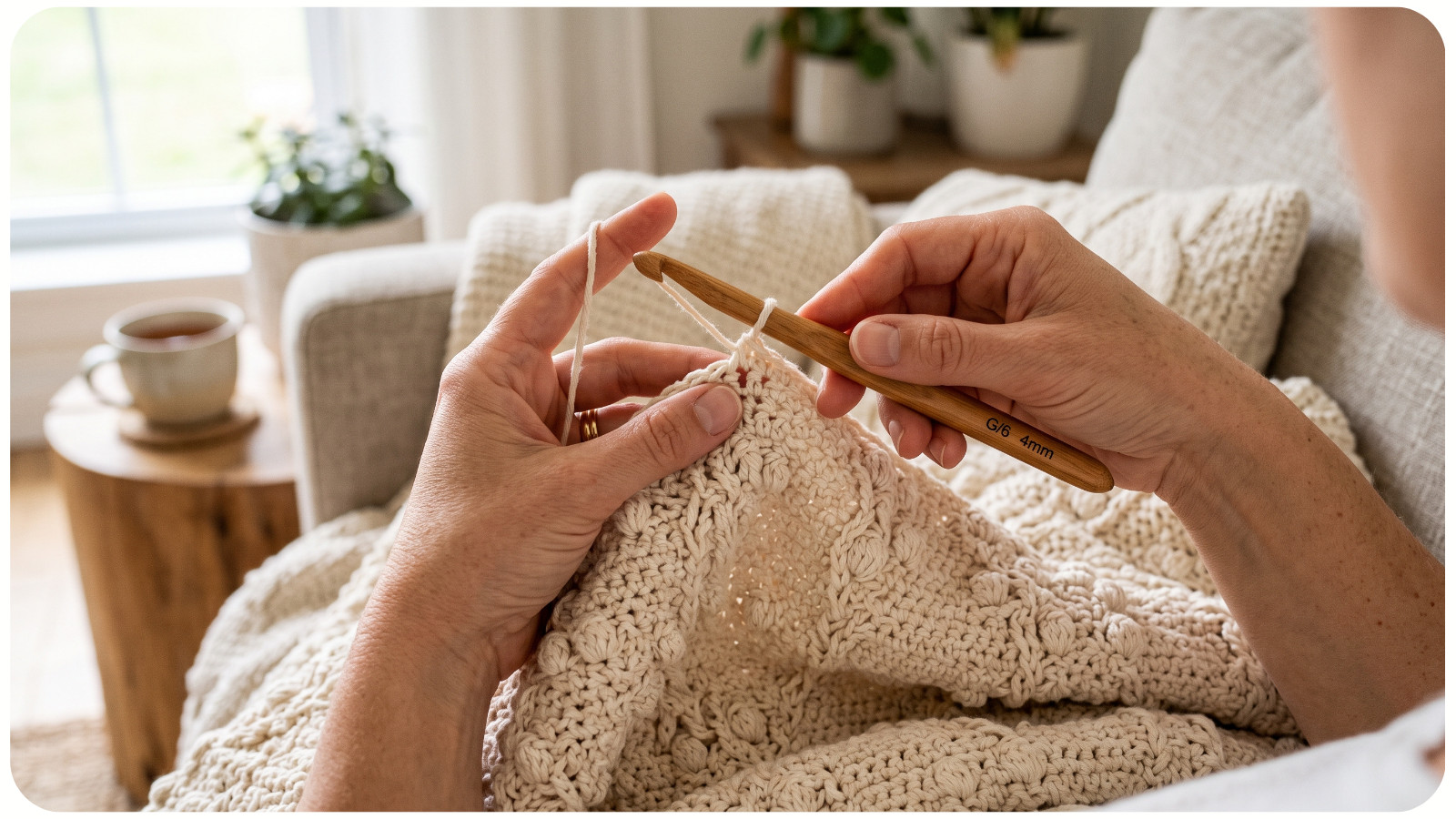
Many crafts have a rhythm. Stitch, pull, repeat. Cut, place, press. Dip the brush, make a mark, rinse, begin again.
Repetition can make an activity feel predictable. You know what comes next, and your hands begin to remember the pattern. In a day filled with surprises, decisions, and interruptions, that predictability can be deeply comforting.
The movement does not need to be perfectly smooth. In fact, the occasional mistake may help keep you gently attentive. You are relaxed, but not completely checked out.
This balance – calm but engaged – is part of what makes activities such as knitting, crochet, embroidery, painting, and pottery feel restorative for many people.
Researchers studying crochet and quilting have found that participants often describe these crafts as meaningful sources of relaxation, accomplishment, emotional support, and personal well-being. These studies rely heavily on people’s reported experiences, so they cannot prove that everyone will benefit in the same way. Still, they help explain why the soothing rhythm of handwork feels so familiar to many crafters.
4. VISIBLE PROGRESS GIVES YOU A SENSE OF CAPABILITY
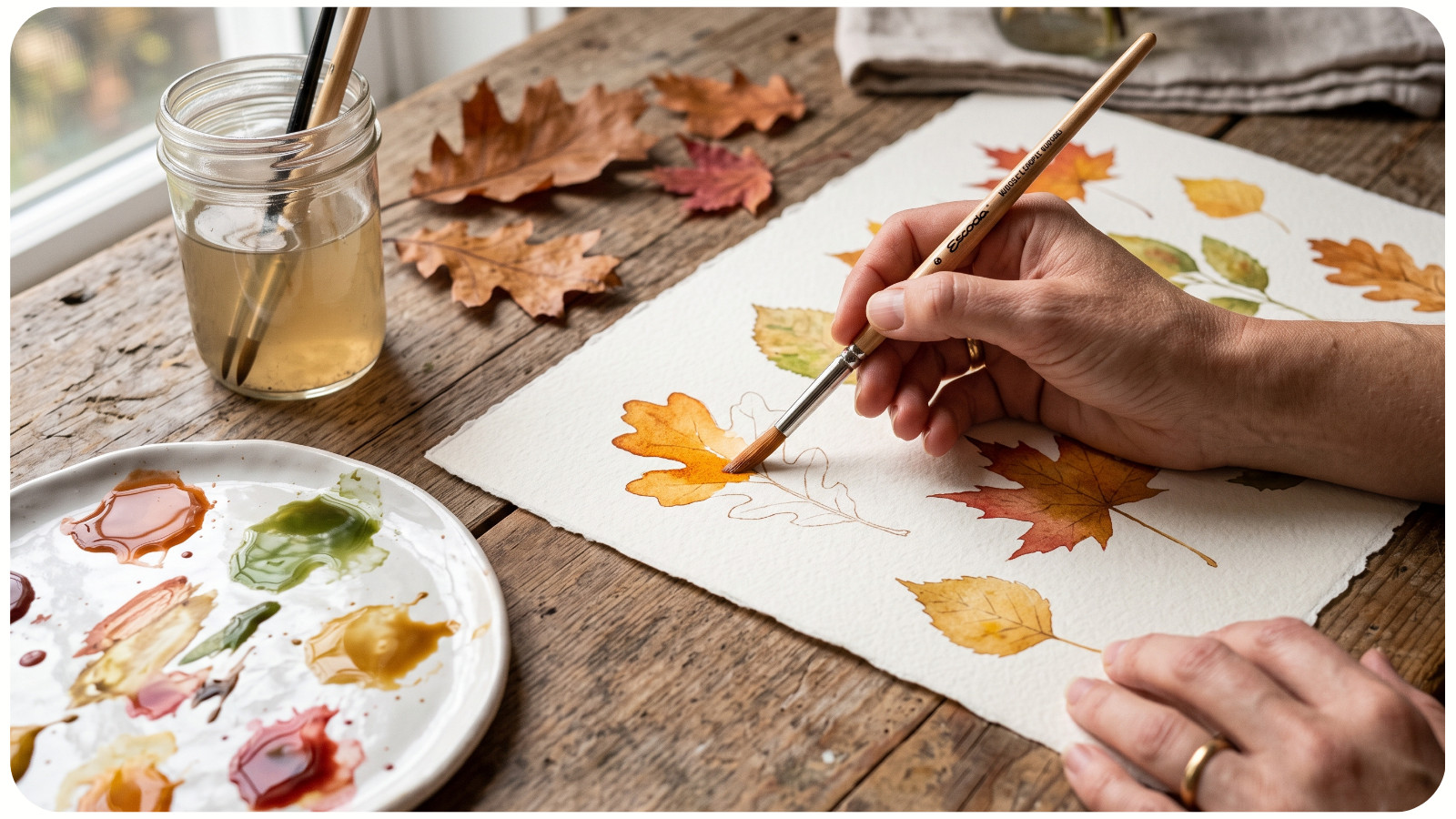
Many parts of life do not offer immediate signs of progress. You can spend an entire day answering emails and still feel as though nothing is finished. You can work hard on a relationship, a career, or your health without seeing quick results.
A handmade project is more visible. A row of stitches appears. A blank page fills with color. A pile of fabric begins to look like a quilt. A plain wreath becomes something warm and welcoming.
Each small step says, “I did that.” Psychologists often use the term self-efficacy to describe the belief that we can take action and handle a task. In everyday language, it is the feeling of being capable.
Crafting gives us many small chances to experience that feeling. We make a choice, try it, adjust it, and see what happens. Even when the finished object is imperfect, we have evidence that we can learn, solve problems, and create change.
In one small study, 39 adults spent 45 minutes making visual art. Participants commonly described the experience as relaxing and enjoyable, and some said it helped them discover new things about themselves. The researchers also found an overall decrease in cortisol, a hormone involved in the body’s stress response, although the small study cannot tell us how long the effect lasted or whether it applies equally to all types of crafting.
5. MAKING SOMETHING RESTORES A SENSE OF CHOICE
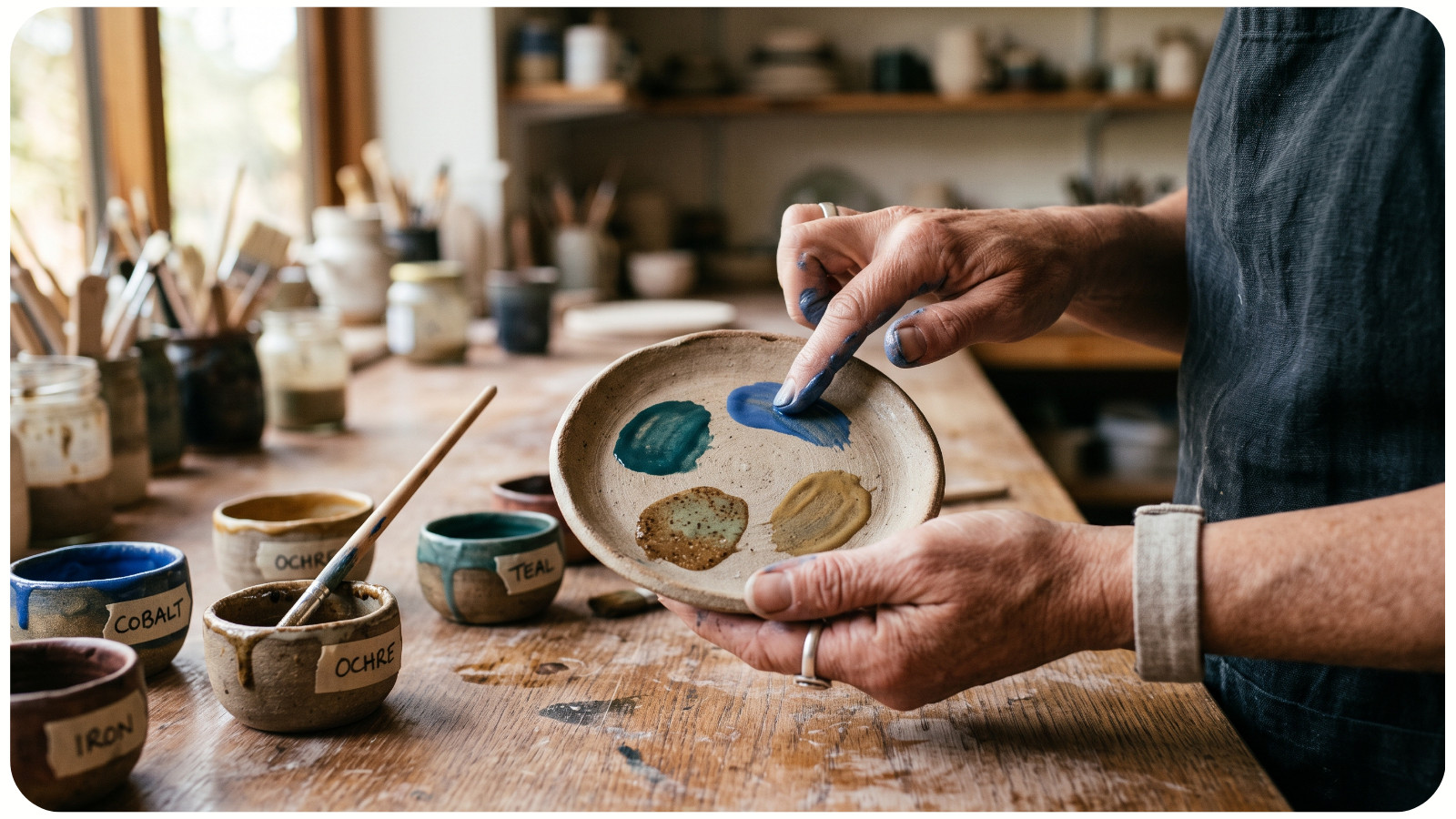
Stress can make life feel as though everything is being decided for us. There are appointments to keep, bills to pay, people to help, and responsibilities that cannot simply be ignored. Even enjoyable days may be shaped by schedules and other people’s needs.
A craft project creates a small area where you are allowed to choose.
- You choose the color.
- You choose the shape.
- You decide whether the piece will be useful, decorative, playful, or strange.
- You can follow the instructions exactly or change them halfway through.
These may seem like tiny decisions, but tiny decisions matter when you have spent much of the day responding to demands. Creativity gives you a little room to act rather than react.
The project becomes a place where curiosity can return.
What happens when these colors are placed together? Could this scrap become something beautiful? What would happen if you tried a different pattern?
There is emotional relief in remembering that not every part of life has already been planned.
6. CRAFTING GIVES FEELINGS SOMEWHERE TO GO
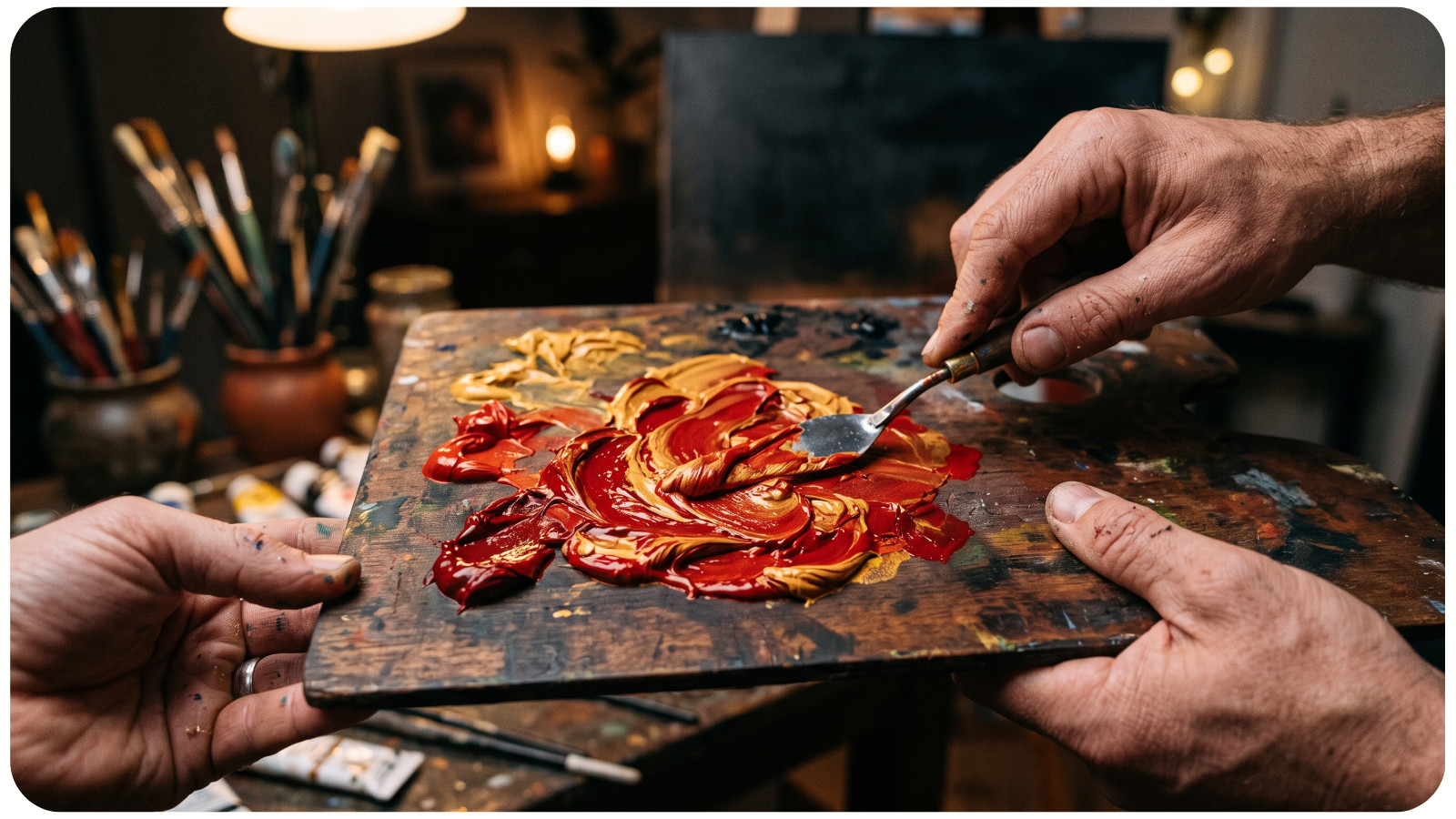
Not every feeling arrives in words. Sometimes we know that we are restless, sad, frustrated, or overwhelmed, but we cannot explain exactly why. Talking may help, but language is not the only way people express themselves.
We also communicate through color, texture, shape, pressure, and movement.
A person may choose bright colors without knowing why they need them. Someone else may find comfort in soft yarn, careful stitches, or the firm pressure of shaping clay. A collage may hold memories that are difficult to describe directly.
This does not mean every handmade object contains a hidden psychological message. Sometimes blue yarn is simply blue yarn.
But creative work can give emotion a physical path. Instead of keeping every feeling inside, we place some part of our experience into the materials in front of us.
The result does not need to be beautiful. The value may be in the act of making it.
7. IMPERFECT PROJECTS CAN TEACH GENTLE FLEXIBILITY
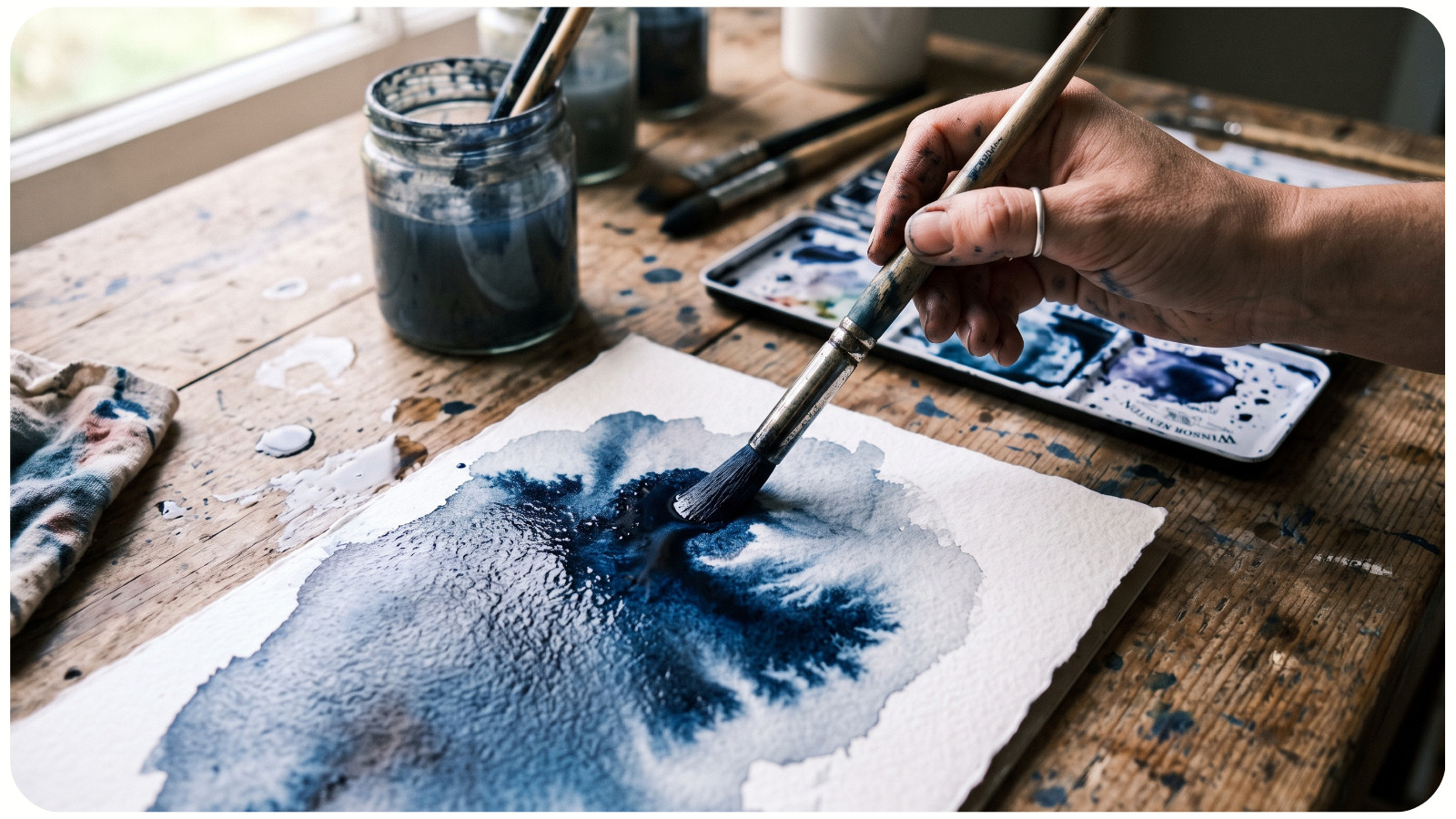
Crafting rarely goes exactly as planned. Paint spreads. Glue leaves a mark. A seam bends. Measurements are slightly off. A carefully cut piece turns out to be the wrong size.
At first, these mistakes can be frustrating – especially if you are used to expecting perfection from yourself. But a handmade project offers a safe place to practice a different response.
- You can undo the stitch.
- You can cover the mark.
- You can adjust the pattern.
- You can decide that the flaw gives the piece character.
- Or you can begin again.
This is psychological flexibility in a very ordinary form. Something changed, and you changed with it. Crafting reminds us that a mistake does not always ruin the whole thing. Sometimes it simply becomes part of the design.
That lesson can slowly move beyond the craft table. We may become a little more willing to learn as we go, tolerate awkward beginnings, and speak to ourselves with patience when something is not perfect.
8. HANDMADE OBJECTS CARRY MEANING
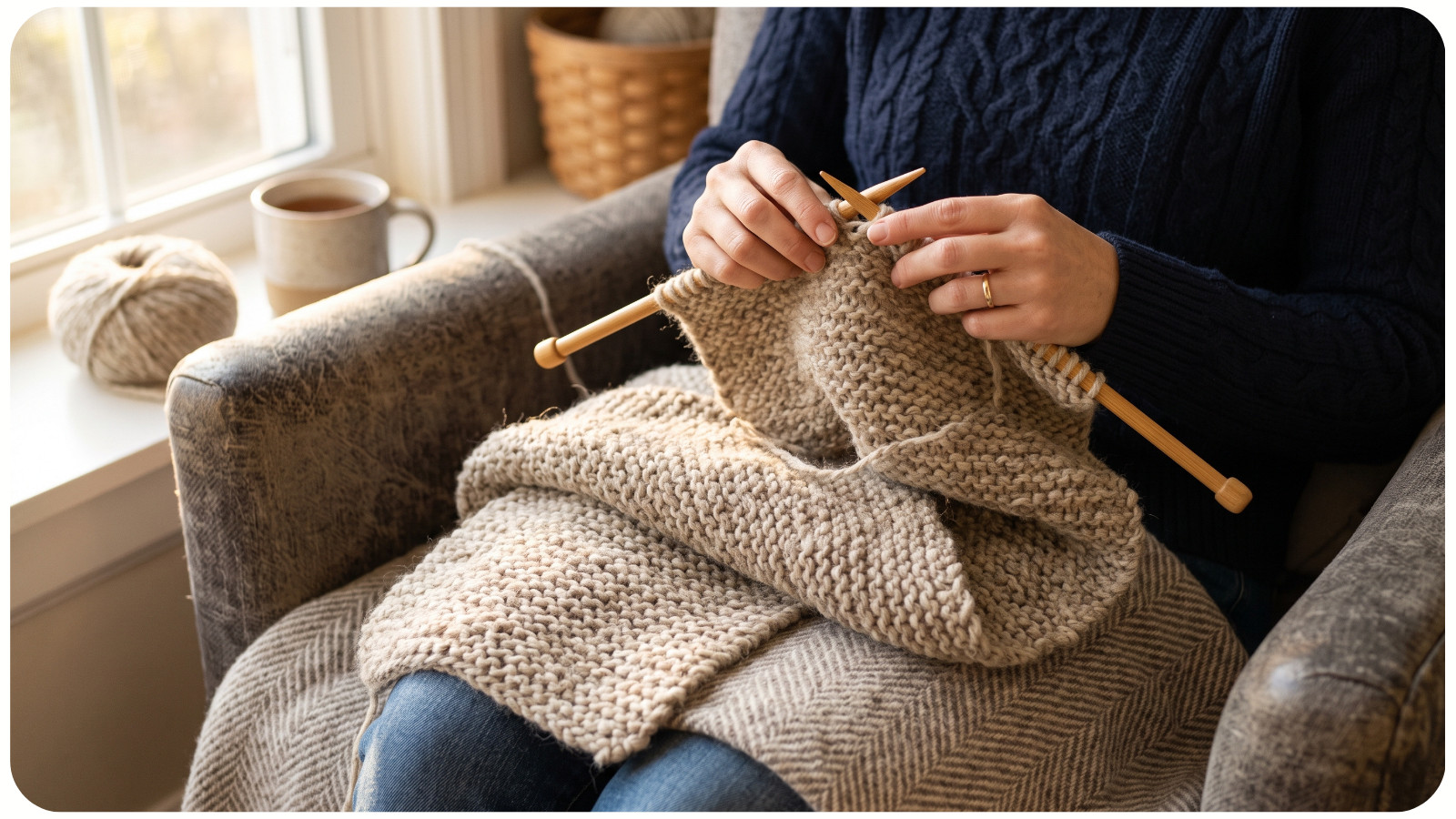
A store-bought object can be beautiful, useful, and deeply appreciated. A handmade object, however, carries an additional layer: time.
It holds the minutes or hours someone chose to spend on it.
A knitted scarf carries the repetition of every stitch. A family recipe book carries remembered meals. A painted ornament may hold the story of the year it was made.
This is why handmade gifts often feel emotional even when they are simple. Their value is not limited to the cost of the materials. They communicate attention.
- “I noticed what you like.”
- “I remembered you.”
- “I spent part of my day making this for you.”
Making something for yourself can carry meaning too. It may mark a new season, a difficult recovery, a first attempt, or a promise to make more time for creativity. The object becomes evidence of a lived moment.
9. CRAFTING CAN HELP US FEEL CONNECTED
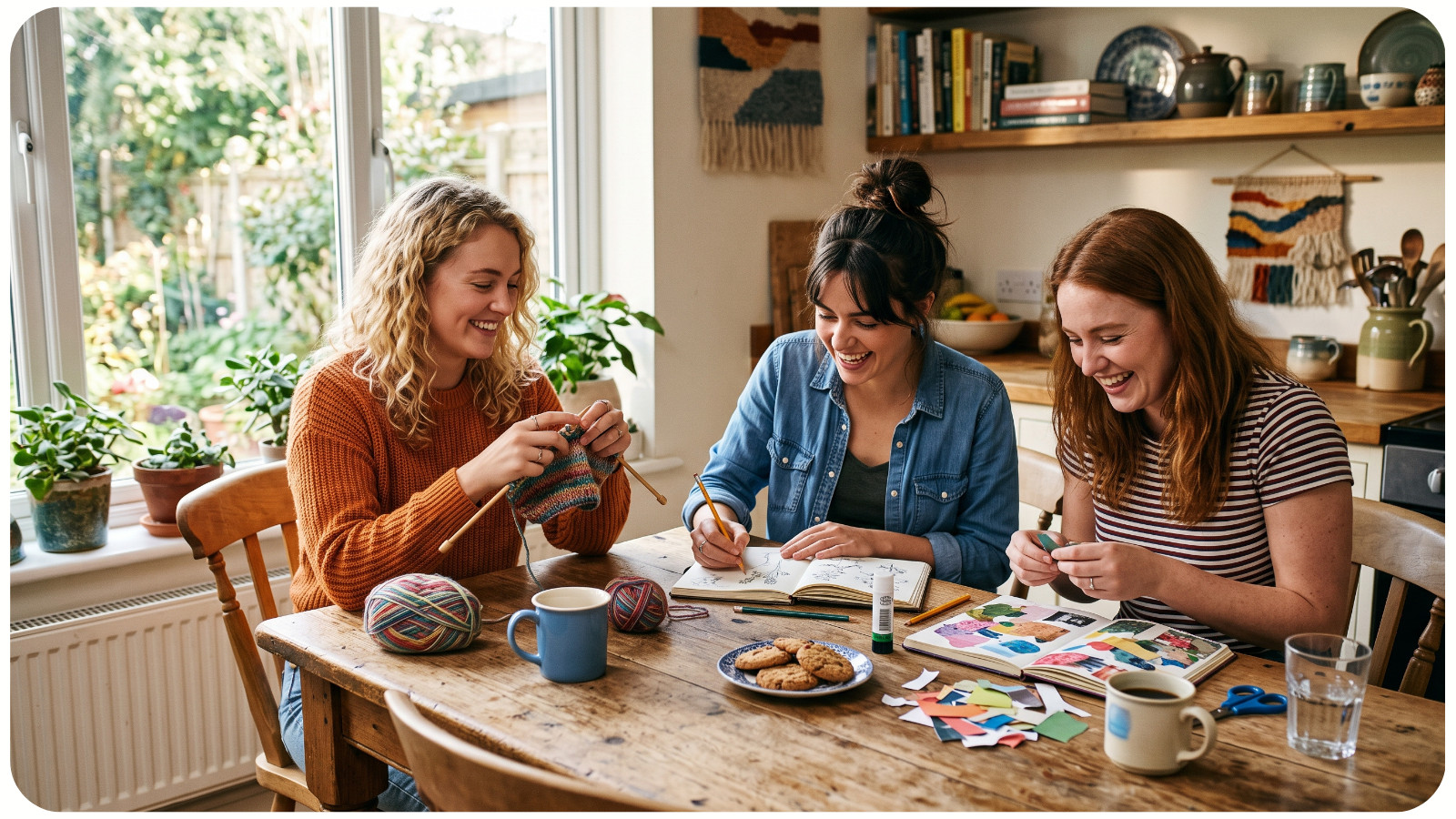
Some crafts are practiced alone, but they do not always feel lonely.
A pattern may have been taught by a parent or grandparent. A technique may connect you to a cultural tradition. A handmade item may be created for a friend, a new baby, a neighbor, or someone going through a difficult time.
Crafting can also bring people together through classes, quilting circles, community workshops, online groups, and informal afternoons around a kitchen table.
The social benefit is not automatic. The large study mentioned earlier did not find that crafting alone predicted lower loneliness once other factors were considered. A private hobby and a shared creative group may provide very different experiences.
Still, making can open a door to connection.
It gives people something to talk about, teach, exchange, and admire. Conversation may feel easier when everyone’s hands are occupied. There is less pressure to fill every silence.
Sometimes closeness grows quietly, one row or brushstroke at a time.
10. CRAFTING MAKES ROOM FOR JOY WITHOUT REQUIRING A BIG REASON
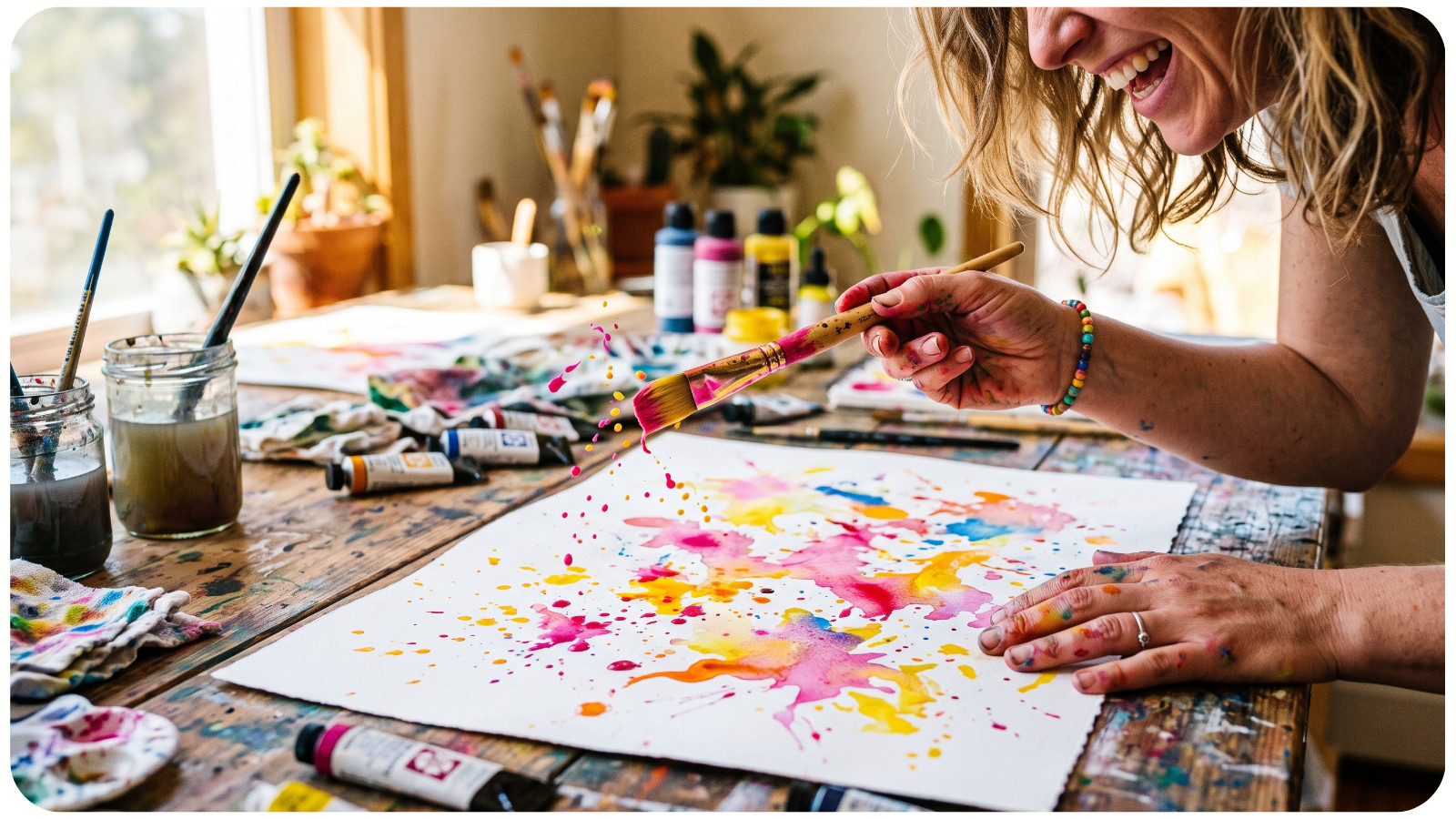
Adults often feel that time must be productive. We should be earning, organizing, improving, exercising, cleaning, or caring for someone else. Even hobbies can become goals: sell the finished pieces, master the technique, grow an audience, or turn creativity into a side business.
But joy does not always need to prove its usefulness.
You are allowed to make something because you like the color.
You are allowed to spend an hour on an object no one needs.
You are allowed to be a beginner.
Play is not wasted time. It is one of the ways people explore, experiment, and feel alive. The finished project may be uneven. It may stay in a drawer. It may never appear on social media.
It can still have given you something valuable: an hour in which you felt curious, present, and fully yourself.
WHAT RESEARCH CAN – AND CANNOT – TELL US ABOUT CRAFTING
It is tempting to say that crafting “heals anxiety,” “resets the nervous system,” or “works like therapy.” Those phrases may sound appealing, but the evidence does not support such broad promises.
A 2025 systematic review examined 19 studies of craft-based interventions. It found encouraging signs of short-term improvements in mental health and well-being, but the researchers also noted weaknesses in the available evidence. Only one included study examined long-term outcomes, and more rigorous research is needed.
A balanced conclusion is more useful:
Crafting may support relaxation, enjoyment, self-expression, confidence, and a sense of meaning. Different people will experience it differently. It can be part of a healthy routine, but it is not a substitute for therapy, medical care, medication, or crisis support when those are needed.
You do not have to exaggerate the benefits to appreciate them. A small source of comfort is still comfort.
HOW TO TURN CRAFTING INTO A GENTLE WELL-BEING PRACTICE
You do not need an expensive craft room or hours of free time. Begin with less pressure.
1. Choose a project that feels manageable. A simple project is often more calming than an ambitious one. Try coloring, visible mending, paper flowers, a small embroidery pattern, air-dry clay, or an easy seasonal decoration.
2. Prepare the materials before you begin. Searching for missing scissors or untangling a large supply box can create frustration. Place a few basic materials within reach so the activity feels easy to start.
3. Give yourself a small amount of time. Ten or fifteen minutes is enough. You do not need to finish anything. The goal is to spend a little time making.
4. Notice what is happening in your body. Pay attention to the texture of the material, the movement of your hands, and the pace of your breathing. There is no need to force yourself to relax. Simply notice.
5. Let the project be imperfect. Try not to judge the work while you are making it. Ask, “What am I enjoying?” rather than, “Is this good enough?”
6. Stop before the activity becomes another obligation. You can put the project away and return later. A hobby should not become another reason to criticize yourself.
7. Share the experience when connection would help. Invite a friend, attend a local workshop, exchange supplies, or make a small gift. The social part may be as meaningful as the craft itself.
CONCLUSION: THE QUIET VALUE OF MAKING
Crafting does not remove the difficult parts of life. The bills still need to be paid. The uncertain decision may still be waiting. Grief, anxiety, exhaustion, and loneliness cannot always be stitched, painted, or folded away.
But making something by hand can change the feeling of a moment.
It can give your attention somewhere safe to land. It can remind you that progress happens through small movements. It can show you that mistakes can be adjusted, that empty spaces can be filled, and that your choices can still create something new.
Perhaps that is the quiet joy of making. For a little while, you are not only consuming, responding, or keeping up. You are creating.
And sometimes, seeing a small handmade thing in front of you is enough to remember that you still have the ability to bring care, meaning, and beauty into the world.