


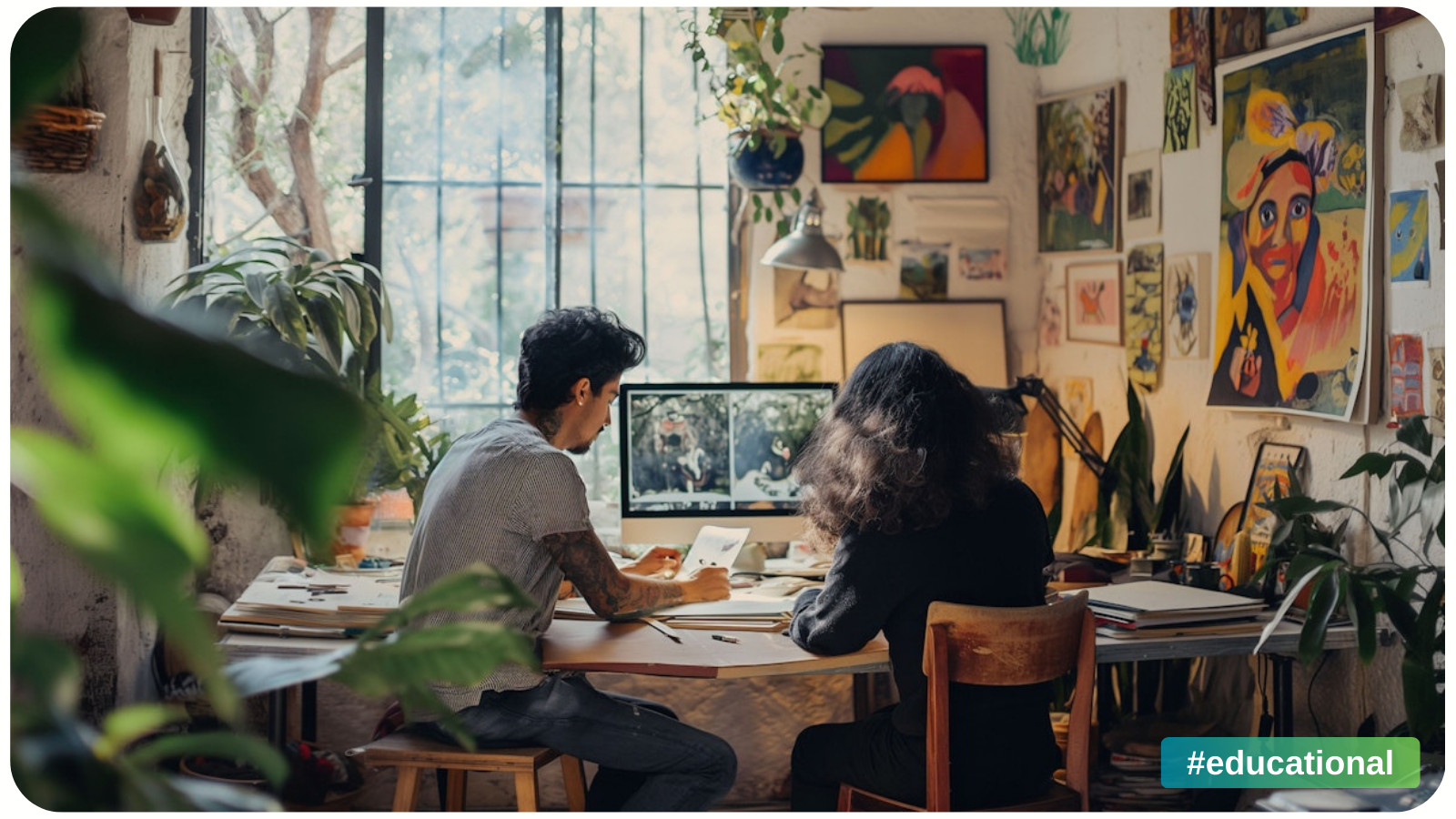
THE INTERSECTION OF AI AND HANDMADE ART
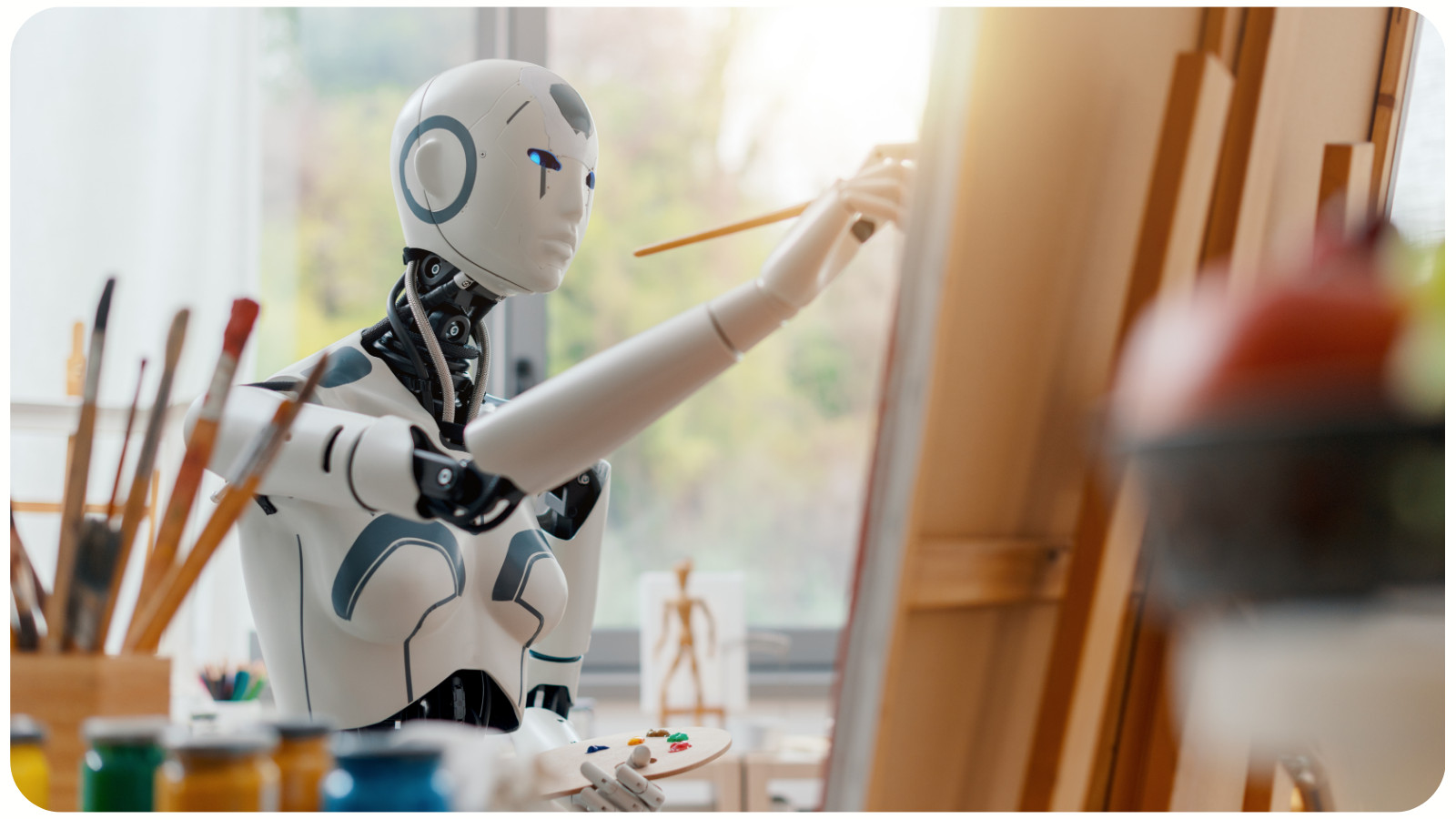
Handmade art has always been about individuality, emotion, and the unique touch of the artist. AI, on the other hand, thrives on data, algorithms, and automation. Despite their differences, these two forces can work together to create something extraordinary.
AI can assist in brainstorming ideas, generating design elements, and even predicting artistic trends, allowing artists to focus on the essence of their craft.
Some key ways AI is impacting handmade art include:
- AI-powered design tools – Tools like Deep Dream, RunwayML, and Artbreeder help artists experiment with new styles and compositions.
- Automated sketching and rendering – AI-driven software like Adobe Sensei and NVIDIA Canvas can turn rough sketches into polished digital artworks.
- Enhancing traditional techniques – AI can suggest color palettes, improve symmetry, or refine brushstroke techniques without replacing the artist’s hand.
HOW ARTISTS ARE USING AI IN HANDMADE ART
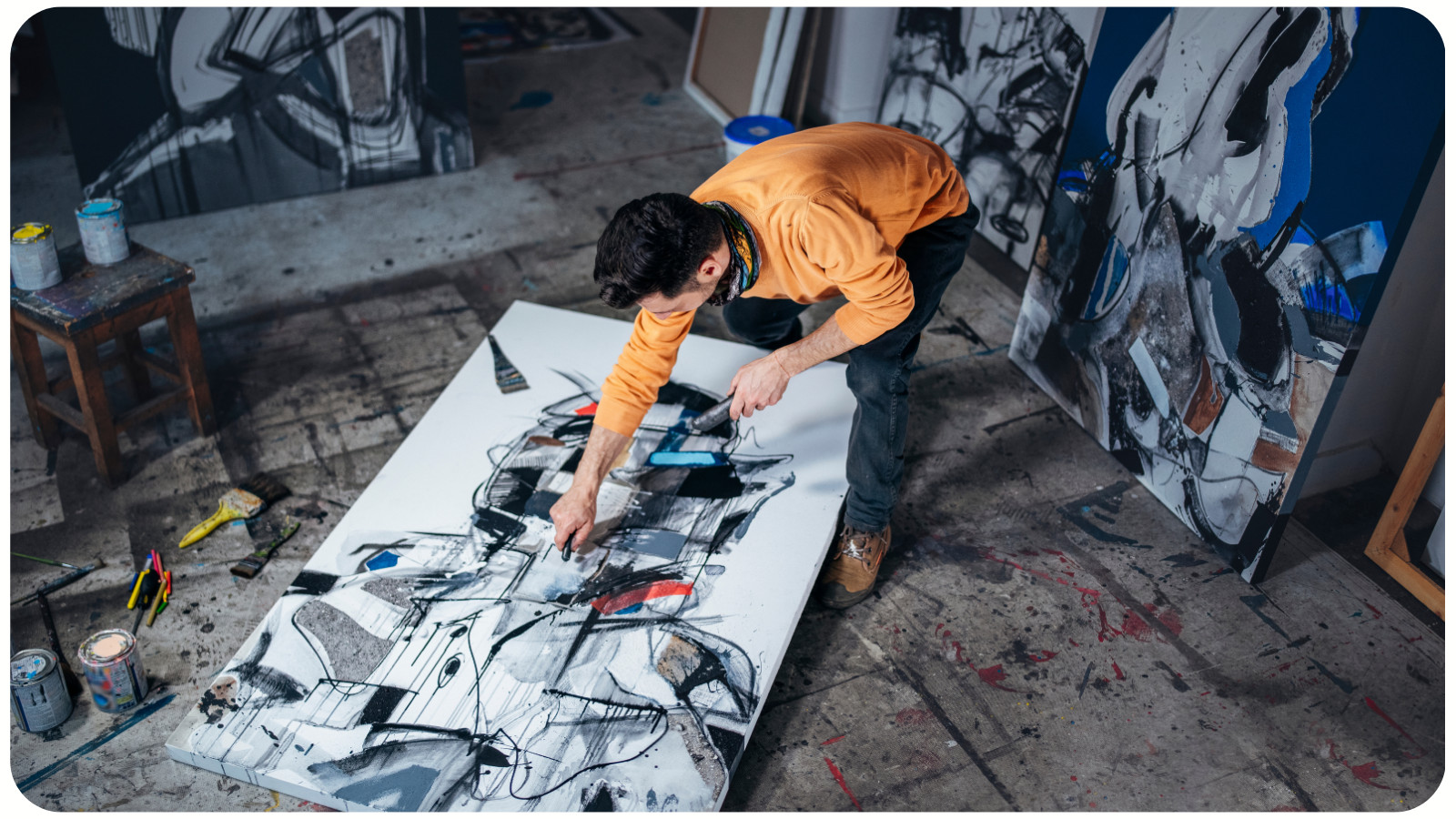
Many artists are already using AI to supplement their handmade processes rather than replace them. Here’s how:
1. AI-Generated Inspiration and Idea Development. AI can help artists overcome creative blocks by generating new concepts, suggesting design variations, or remixing elements from existing works. Platforms like MidJourney and DALL·E allow artists to experiment with visual ideas before translating them into handmade pieces.
2. Hybrid Art Creation: Combining Digital and Physical Mediums. Artists can use AI to create digital sketches or 3D models, which can then be brought to life using traditional painting, sculpting, or embroidery techniques. This is particularly useful in:
- Digital mockups for handmade crafts (jewelry, pottery, etc.)
- AI-assisted embroidery and textile design
- 3D printing with AI-enhanced designs
3. Enhancing Handmade Art with AI Tools. Even traditional painters and illustrators can benefit from AI-driven applications. For example:
- Style transfer technology lets artists apply famous painting styles to their work for inspiration.
- AI-assisted photo editing refines handmade illustrations for print or digital display.
- Smart brush tools in digital platforms mimic real brush strokes for a more natural feel.
THE BENEFITS OF COMBINING AI WITH HANDMADE ART
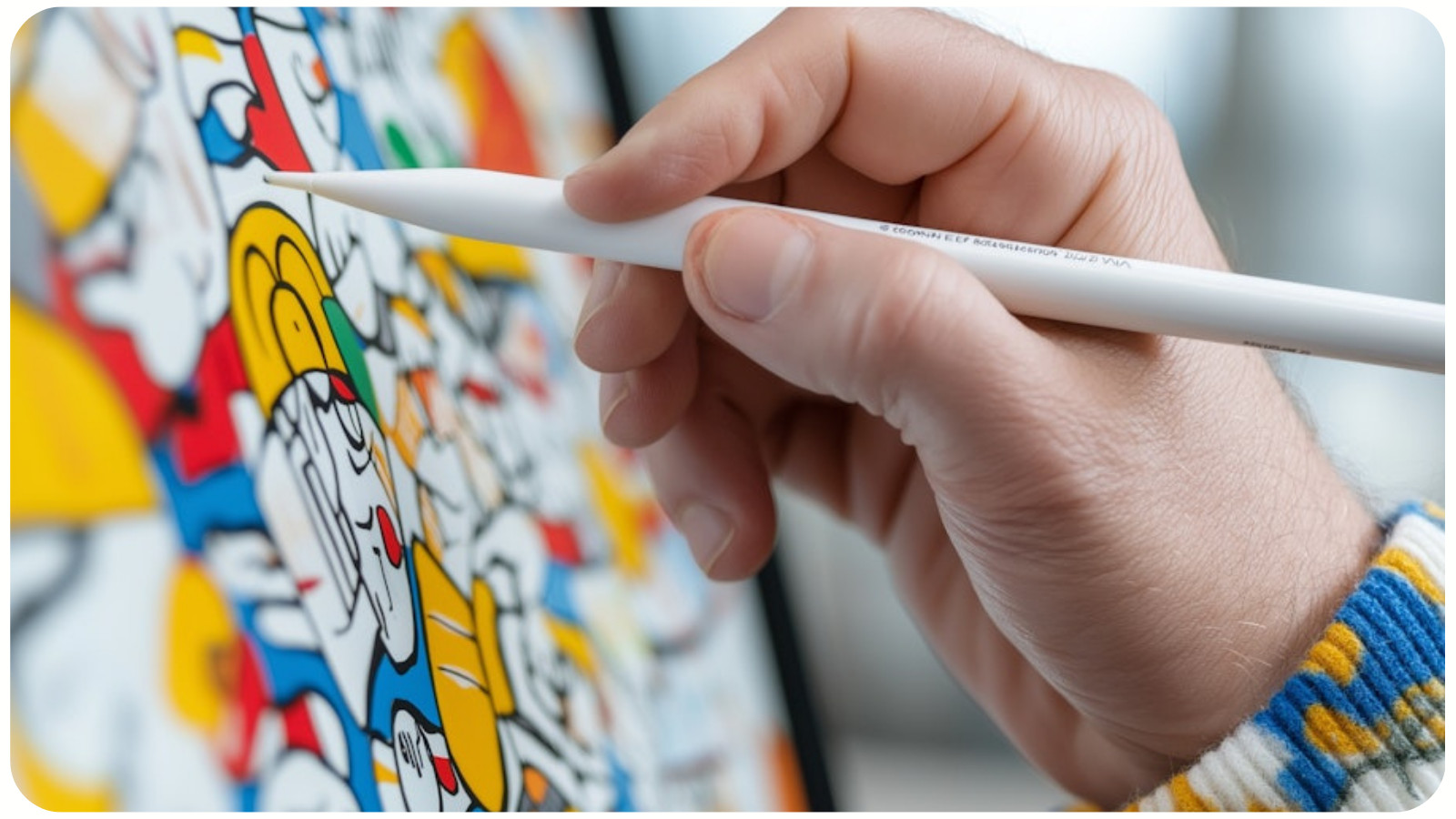
Integrating AI into the creative process offers several advantages:
- Faster iteration and experimentation – Artists can quickly test multiple ideas before committing to a final handmade piece.
- Improved efficiency – AI helps automate repetitive tasks, allowing artists to focus on their unique craftsmanship.
- Access to new techniques – AI introduces artists to styles and methods they might not have discovered on their own.
- Personalized artistic development – AI-powered analytics can help artists understand audience preferences and tailor their work accordingly.
CHALLENGES AND ETHICAL CONSIDERATIONS
Despite its benefits, the rise of AI in handmade art comes with challenges:
- Authenticity concerns – Some purists believe that AI-assisted art lacks the emotional depth of purely handmade work.
- Copyright issues – AI-generated art raises questions about ownership and originality.
- Over-reliance on technology – While AI can be a powerful tool, artists should use it as a supplement rather than a replacement for creativity.
CONCLUSION: EMBRACING THE FUTURE OF ART
AI is not here to replace handmade art but to complement and expand its possibilities. By embracing AI-driven tools, artists can enhance their creativity, streamline their processes, and explore new artistic frontiers. The key is to strike a balance—using AI as a collaborator rather than a competitor.
Whether you’re a traditional painter, a craftsperson, or a digital artist, integrating AI into your workflow can open up exciting new opportunities. The fusion of technology and handmade art is the future—are you ready to explore it?