


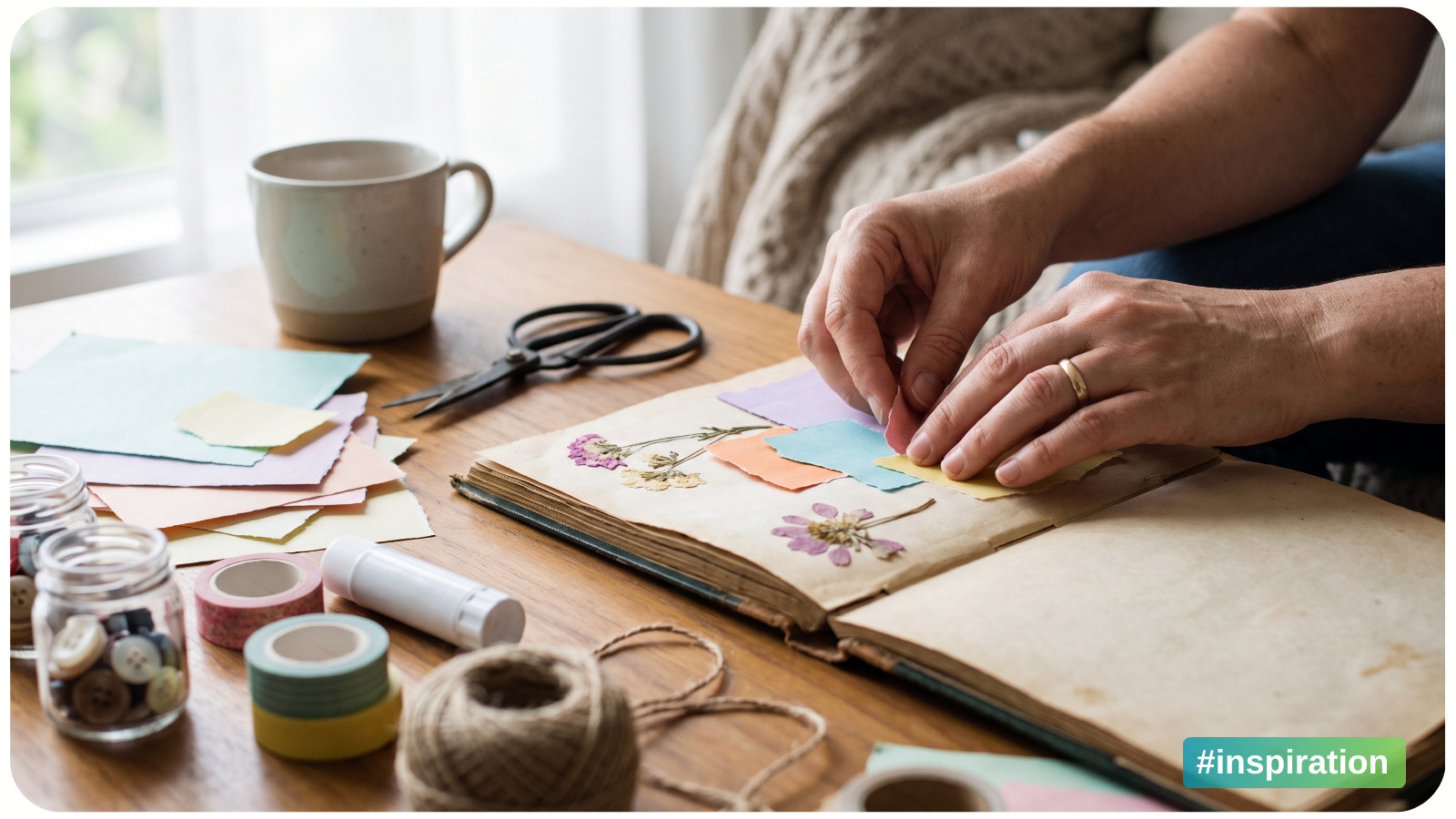
You buy the supplies, clear the table, and open the tutorial. Then a quiet pressure arrives: What if the colors look wrong? What if the stitches are uneven? What if the result looks nothing like the photo?
For many beginners, the hardest part isn’t learning the technique. It’s allowing themselves to be visibly new at something.
Crafting without perfectionism doesn’t mean becoming careless or pretending you don’t want a beautiful result. It means making room for practice, curiosity, and the occasional crooked edge. The goal is not to stop caring. It is to care about the experience as well as the outcome.
Perfectionism Is Not the Same as Having High Standards
Healthy standards are flexible. You can want neat stitches, learn from a mistake, and still enjoy the hour you spent making. Perfectionism is more rigid. It tends to turn a preference - “I’d like this to look polished” - into a rule: “If this isn’t polished, I have failed.”
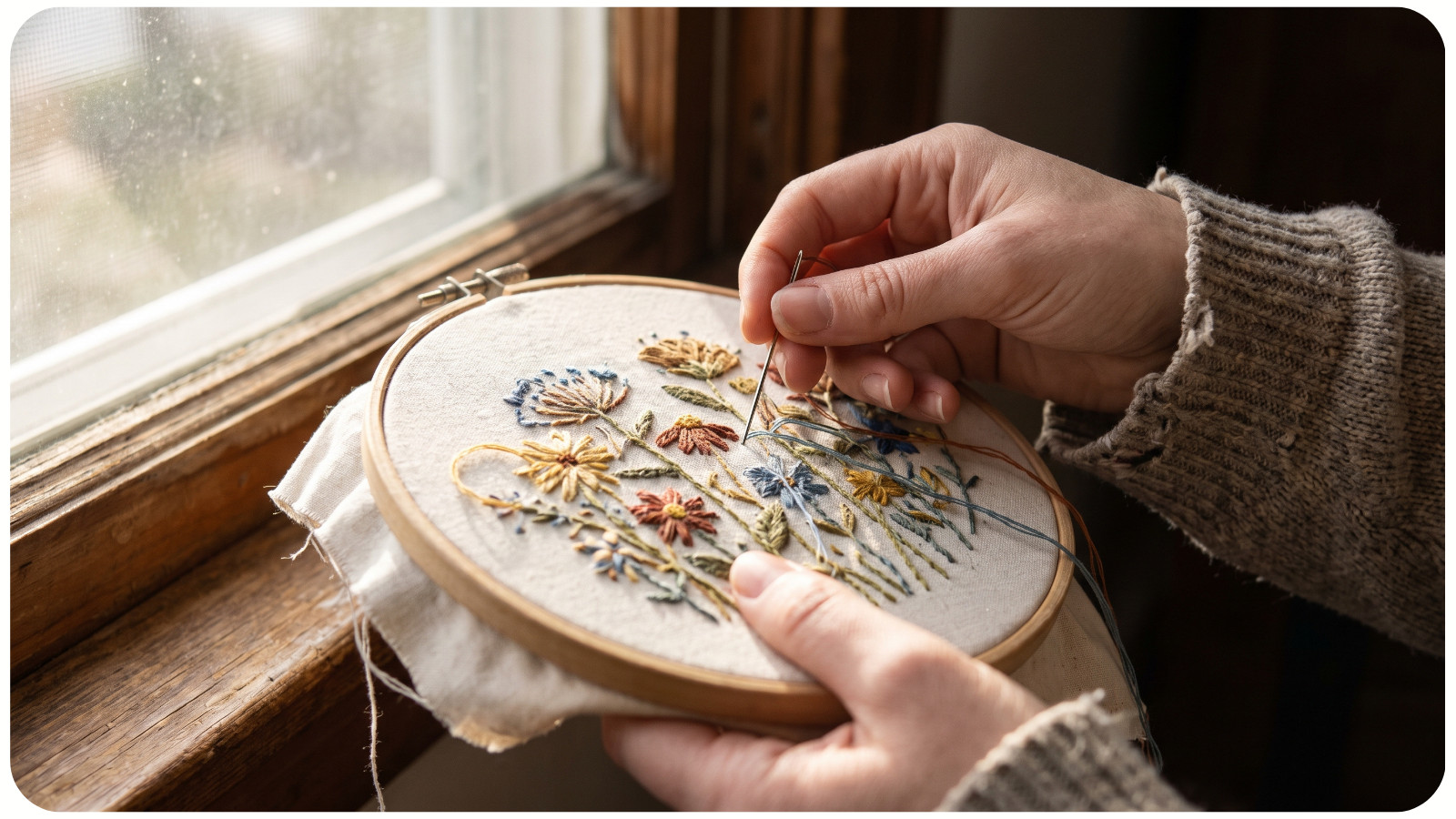
That rule changes the meaning of a craft project. An embroidery hoop is no longer a place to practice. It becomes evidence of whether you are “good with your hands.” When every result feels like a verdict, a hobby can feel like an exam.
It helps to separate three things that perfectionism often blends together:
• Your taste: You can recognize excellent work.
• Your current skill: You are still building coordination and judgment.
• Your worth: It is not measured by a piece of fabric, clay, paper, or yarn.
Your taste may develop faster than your hands. That gap is normal. Noticing what to improve is part of learning - not proof that you should stop.
How Perfectionism Shows Up in the Craft Room
Perfectionism doesn’t always look like carefully redoing one wonky stitch. Sometimes it looks like never beginning.
You might spend weeks comparing watercolor sets because you want the “right” one. You may save crochet patterns but refuse to try an easy one. Perhaps you restart when the first rows look uneven, or abandon a nearly finished project because completion makes the result final.
Other common signs include:
• Choosing only projects you already know you can do well
• Treating the tutorial photo as a minimum requirement rather than a reference
• Focusing on flaws before noticing what you learned
• Hiding unfinished work because someone might judge it
• Buying more supplies as a substitute for practicing with the ones you have
These behaviors may protect you from disappointment, but they also remove experiences that build skill. You cannot practice recovering from mistakes under perfect conditions. These crafting myths that discourage beginners can help put familiar assumptions in perspective.
Decide What Today’s Crafting Session Is For
Before you begin, give the session a purpose. Not every project needs to become a gift, display, or post online.
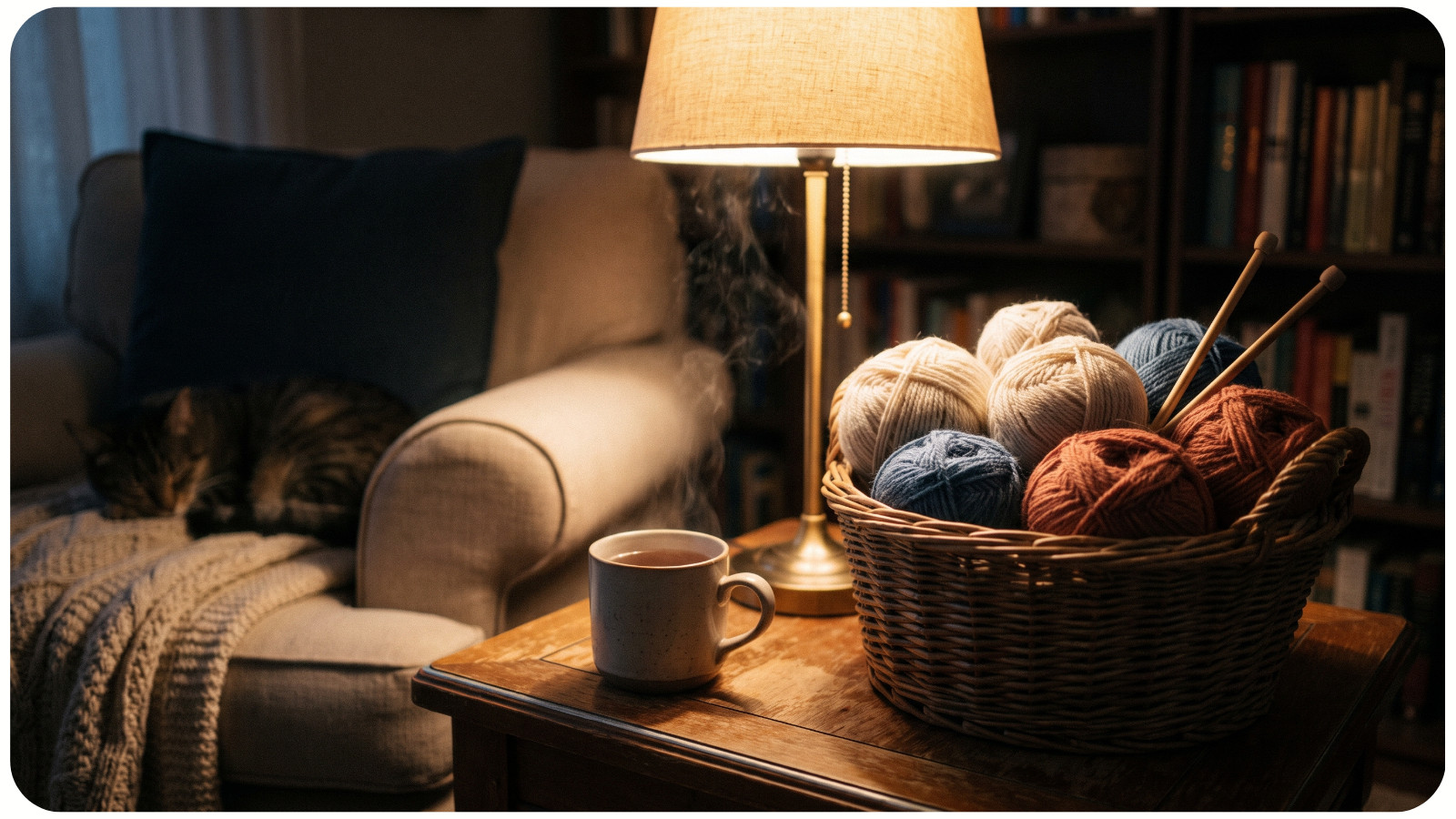
Choose one intention:
• Practice: I am learning how this material behaves.
• Play: I am following what looks interesting.
• Rest: I want a familiar, repetitive activity for a quiet evening.
• Finish: I am bringing an existing project to a usable stopping point.
• Make: I am creating a specific object and will accept normal handmade variation.
This changes the standard you use. During practice, an uneven row can still mean success. For rest, choosing a simple pattern is not “cheating.” During play, changing the colors may be exactly right.
A clear intention protects a hobby from the demand to be impressive every time. When beginning feels difficult, try a smaller entry point from this guide to starting a craft project with low motivation.
Make the First Project Smaller Than Your Ambition
Beginners often choose projects that match their taste rather than their current time or skill. A king-size botanical quilt is a wonderful ambition, but perhaps not the best first conversation with a sewing machine.
Choose a project small enough to complete the full cycle: prepare, begin, make a mistake, solve a problem, and finish. A coaster teaches more about finishing than saved blanket patterns. A tiny cross-stitch motif lets you practice tension and counting without making each error feel expensive.
Small projects are not less creative. They provide faster, clearer feedback and help you collect evidence that imperfect effort can lead to a finished object. For a manageable creative win, browse these beginner crafts with impressive results.
Use Kind Constraints Instead of Endless Choice
Perfectionism loves unlimited options. If there are forty shades of blue, perhaps one of them is the perfect blue—and choosing any other shade feels like a mistake.
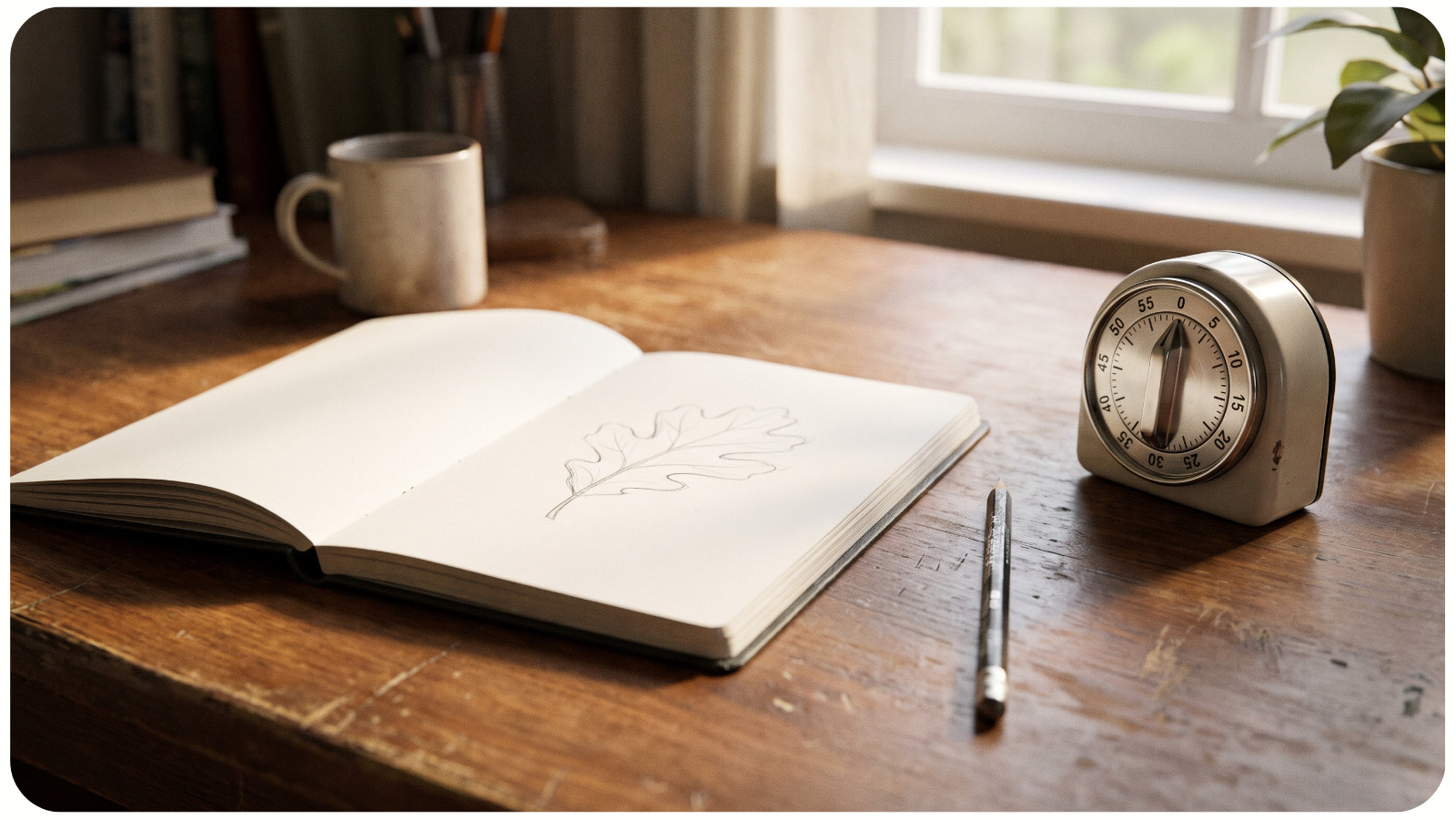
Constraints make decisions lighter. Use three colors you own. Buy one beginner brush. Sketch for 30 minutes. Add custom details only after finishing the basic pattern.
You can set a “no restarting” rule for the first portion. Knit ten rows before judging the tension, or finish one paper card before cutting a replacement. Serious errors can still be fixed; the rule keeps early discomfort from being mistaken for failure.
The best constraint is firm enough to reduce overthinking but gentle enough to keep the project enjoyable.
Treat Mistakes as Information, Not Identity
A mistake usually tells you something specific: the thread tension changed, the glue dried faster than expected, the seam allowance was too narrow, or you lost your place in the pattern. Perfectionism turns that practical information into a personal statement: “I’m bad at this.”
Return to the smallest accurate description. Instead of “I ruined the embroidery,” try “Two stitches crossed in the wrong direction.” Instead of “I have no artistic sense,” try “These two colors have less contrast than I expected.”
Specific language creates options. Remove the stitches, add a darker color, adjust the next attempt, or decide the difference is not worth fixing. A global judgment gives you nowhere to go.
It can help to keep a short project note with three lines:
1. What worked?
2. What surprised me?
3. What will I try next time?
This is not a performance review. It is a way to notice learning before your attention locks onto flaws.
Speak to Yourself Like a Good Craft Teacher
Imagine a beginner showing you a first attempt. You probably would not point to the least even section and announce that they lacked talent. You would notice the effort, explain one useful adjustment, and encourage another try.
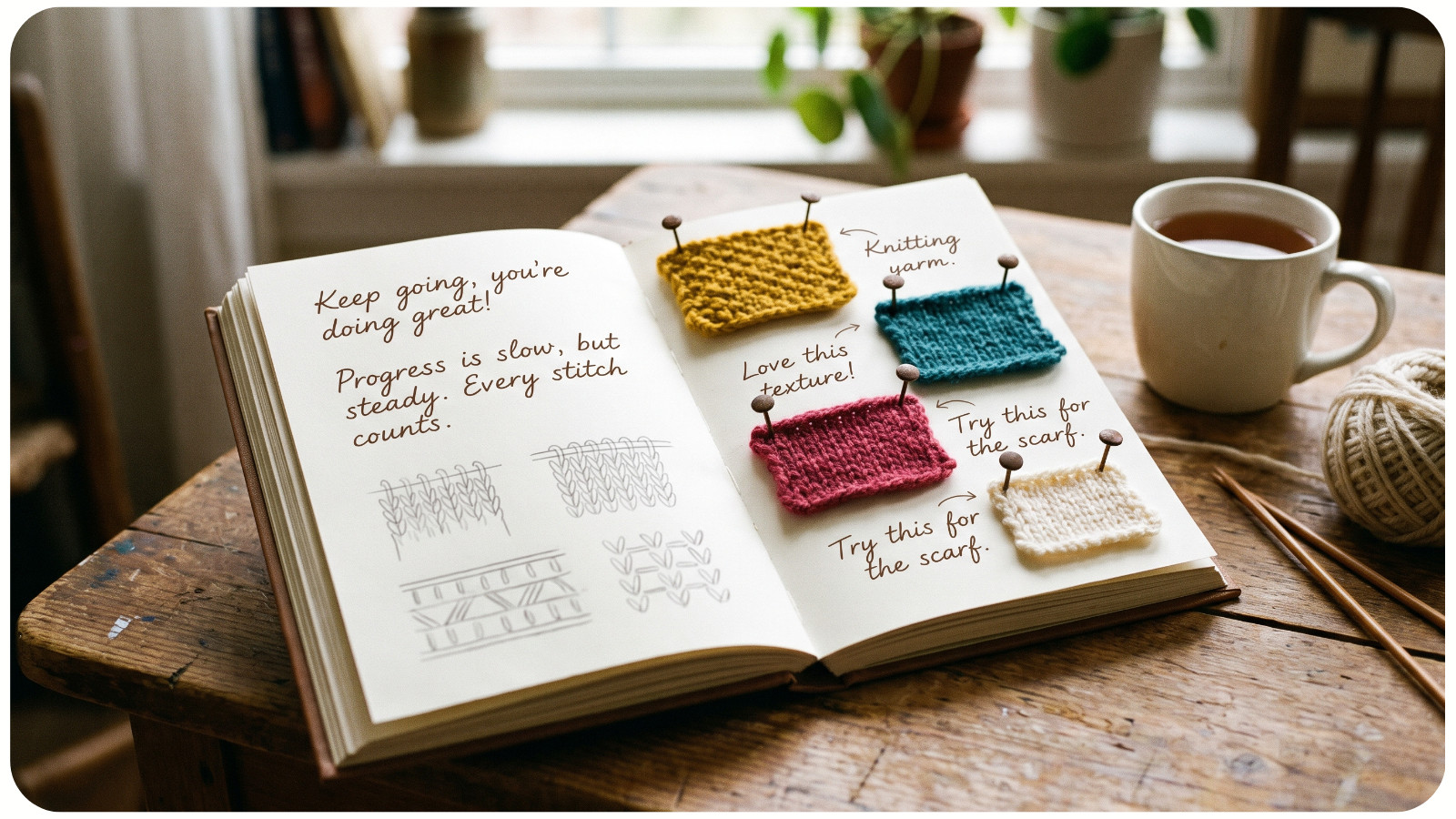
That is not empty positivity. “You’re perfect” offers no guidance, but neither does “This looks terrible.” A helpful inner voice is honest and kind: “My edges are uneven because I’m pulling too tightly. I’ll loosen my grip next time.”
When frustration rises, ask, “What would a patient teacher say here?” The answer is usually concrete, limited, and focused on the next action - not on your character.
Finish Some Projects While They Are Still Imperfect
Finishing is its own creative skill. It requires deciding that an object has done enough, even though you could continue adjusting it.
Choose one low-stakes piece and complete it without correcting every minor flaw. Frame the sampler with the slightly uneven letter. Use the mug with the lopsided handle. Put the handmade card in the envelope before redesigning it for the fourth time.
This may feel uncomfortable. That is not proof the object is unacceptable. You are practicing a new boundary: finished does not have to mean flawless.
You do not need to keep every experiment. Photograph it, note what you learned, and let it go. The important part is experiencing completion. These small weekend crafts you can actually finish are useful when you want to practice the entire process without a long commitment.
Separate Making From Sharing
Social media can add an audience to a private hobby. Suddenly the back of the embroidery must be tidy, the desk styled, and every object ready for a close-up.
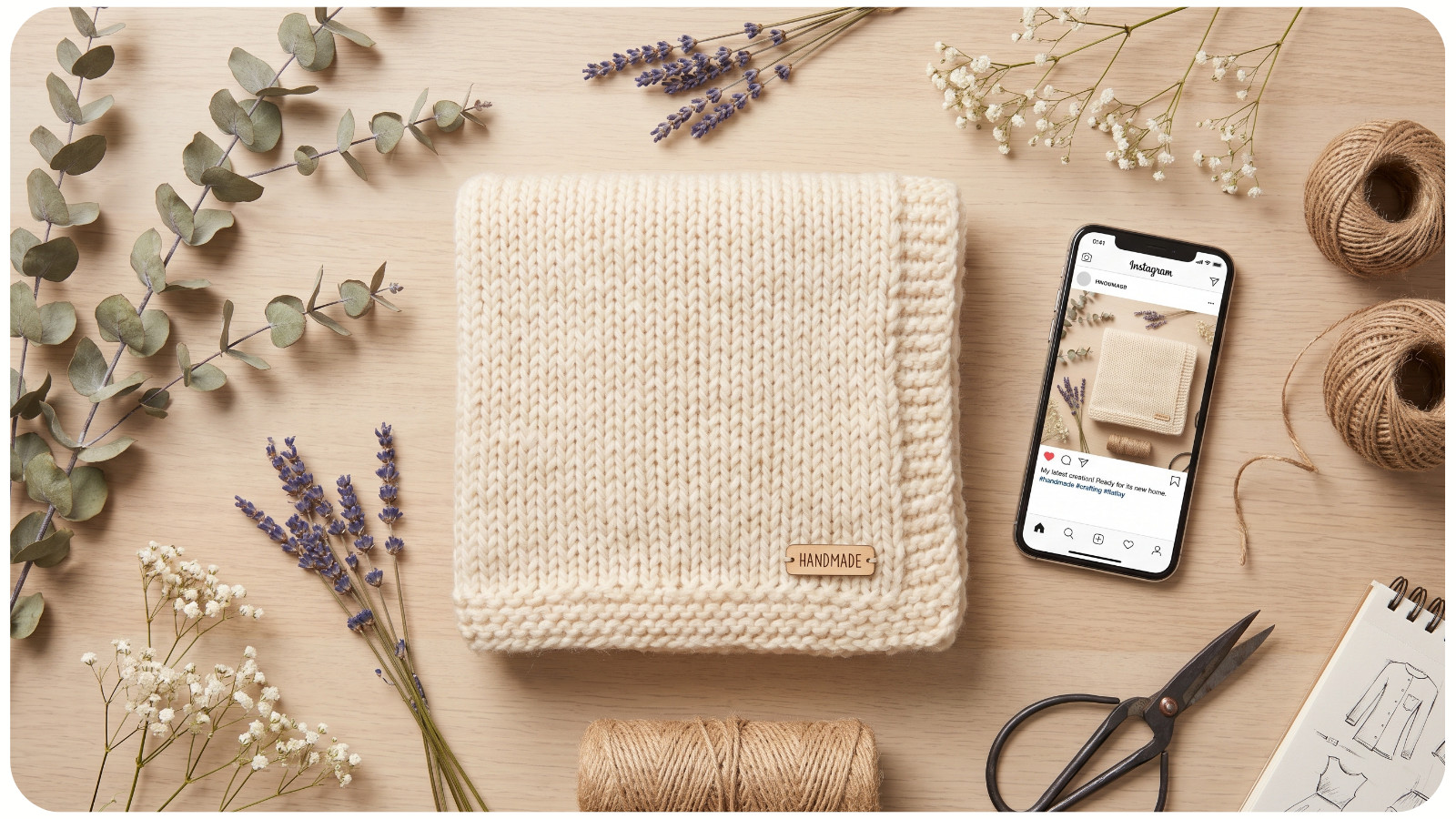
Make something that will not be posted, sold, or gifted. Keep a messy sketchbook, use leftover yarn, or let a practice hoop remain practice.
Privacy creates room for experimentation. Sharing can remain a choice made after crafting.
Keep the Part of Perfectionism That Actually Helps
Attention to detail helps you prepare carefully and notice progress. Make your standards serve the project.
Before redoing something, ask:
1. Will this improve the function, durability, or overall look?
2. Or am I trying to escape the feeling of a mistake?
Sometimes you will redo the seam; sometimes you will continue. Crafting without perfectionism means choosing deliberately.
A Low-Pressure Way to Begin Today
Pick one material you own and one ten-minute action. Stitch a small row, fold a paper flower, mix two paint colors, or make five crochet chains. Your task is to notice what your hands learn when they begin.
Stop after ten minutes if you want. Continue if curiosity has replaced pressure. Either result counts.
The first gift a craft gives you may be a place where you can be unfinished, make a correction, and try again without judging who you are. Let the handmade piece be evidence not of perfection, but of participation.